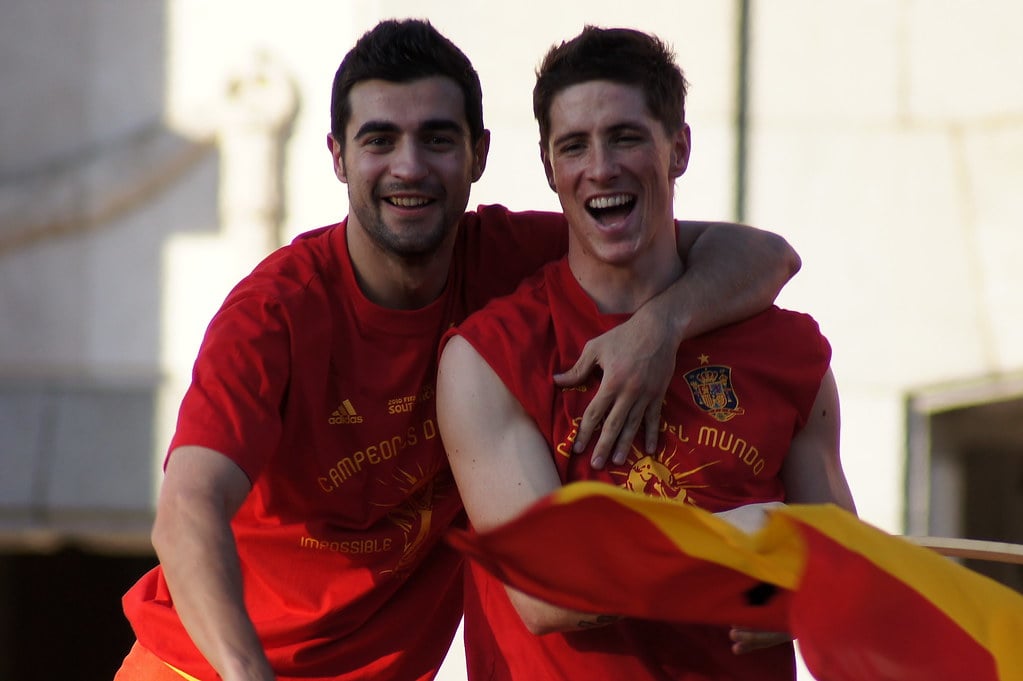

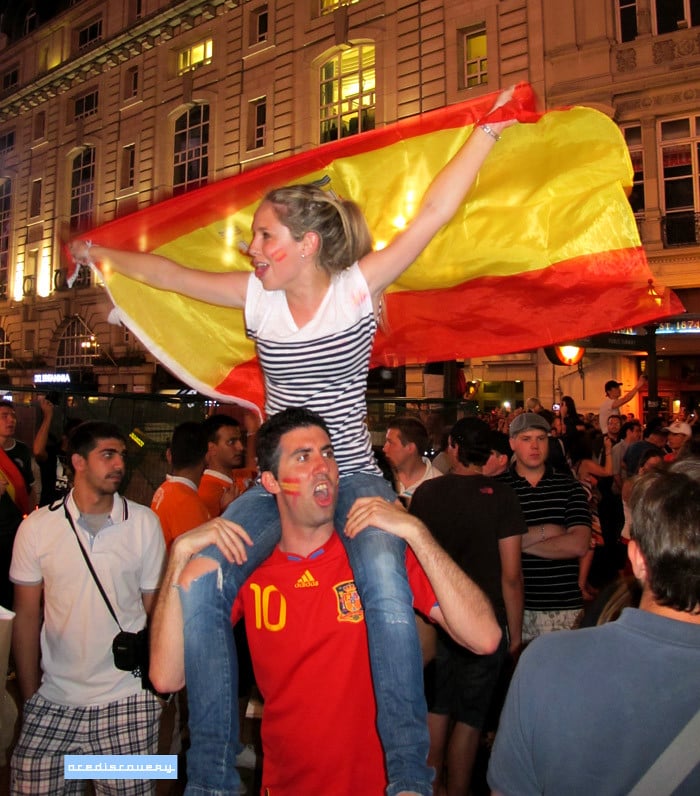
MADRID — An estimated two million people pressed against barriers on Cibeles Avenue on Tuesday as Spain brought the FIFA World Cup trophy home through the center of a city that had been waiting three days to see it.
The parade through central Madrid drew a crowd the city estimated at two million, filling the Cibeles roundabout and stretching back along the tree-lined boulevard in a density that police had not seen since Spain last won the World Cup in 2010. Players rode open-top buses through streets hung with red and yellow, the trophy passed between hands, and 17-year-old Lamine Yamal, who grew up a few miles from the Nou Camp and is now the defining figure of Spanish football’s next decade, sang along to Bad Bunny as the city chanted his name.
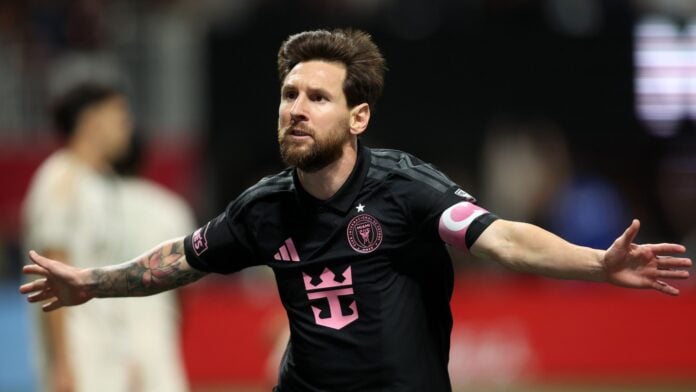
The celebration marks the end of a tournament Spain won without losing a single match. Ferran Torres’s 106th-minute strike against Argentina on Sunday at MetLife Stadium in New Jersey decided a final that had gone to extra time scoreless, with Lionel Messi managing a performance of pure playmaking at 39 that created two clear chances without producing a goal. When Torres converted, it settled a question that had been building for two years of uninterrupted Spanish dominance in international football.
FIFA released an updated world ranking on Tuesday that confirmed what most analysts had already concluded: Spain is the best team on the planet. They climbed to number one following the World Cup win, displacing a bracket that had shifted significantly during the 2026 tournament. The ranking reflects coefficient data and results, but for the players celebrating on Cibeles, it was the trophy, not the number, that mattered.
The royal welcome preceded the parade. King Felipe VI and Queen Letizia received the squad at the Zarzuela Palace on Tuesday morning, where manager Luis de la Fuente presented the trophy in a ceremony that was televised nationally. De la Fuente, who has managed Spain’s senior team for four years and won the European Championship in 2024 and the World Cup in 2026 in consecutive major tournaments, declined to hold the trophy himself, insisting it belong with the players.
What made Sunday’s final unusual was what happened after it. Leandro Paredes received a red card in the closing minutes of extra time after placing his hands on Eric Garcia’s throat, triggering a brawl involving multiple players from both benches. FIFA announced a disciplinary investigation into Argentina’s conduct on Monday. Paredes apologized publicly. In Madrid on Tuesday, that story was secondary. The players had moved past it in the way that winners often do: the controversy belongs to the other side to resolve.
Yamal’s presence at the parade carried a particular symbolic weight. He is 17 years old and has already played in two major international finals. His social media presence during the tournament, which included a video of him receiving a call from his mother immediately after the final whistle while weeping openly, became one of the most shared moments of the 2026 World Cup. The Bad Bunny moment on the bus was a reminder that, for all the weight the football world places on him, he is still a teenager celebrating with a city that views him as its own.
Argentina arrived at the final as defending champions, having won in Qatar in 2022 and become the team most expected to repeat. Messi, at 39, had shifted his role from primary scorer to enabler, recording four assists in the knockout rounds and playing a style built entirely around preserving energy for moments of decision. His performance in the final was the clearest demonstration of what still made him different. He did not score. He did not need to.
The 2026 World Cup had already produced one indelible image before the final even started: the viral photograph of Messi and Yamal, taken at a UNICEF event in 2007, in which a 20-year-old Messi posed with an infant. That infant was Yamal. Sixteen years later, they faced each other across a World Cup final. The generational arc between them became the tournament’s emotional spine from the group stage forward. Spain won. Yamal raised the trophy. The photograph of him standing in front of two million people completed an arc no tournament director could have scripted.
Torres, who had become the central character of Sunday’s result almost by accident, arriving as a substitute in extra time, signed scarves and posed for photographs with fans who had waited six hours for the bus to pass. He will spend the next months fielding questions about what comes next rather than what he just did, which is the peculiar reward for scoring the goal that wins the World Cup.
What comes after the parade is already uncertain. The transfer window is open, and multiple Spain internationals have decisions to make. Pedri’s contract at Barcelona runs through 2028. Yamal has a buyout clause that has attracted external interest. Torres, scorer of the final’s only goal, will return to club football carrying a reputation that did not exist a week ago.
For now, though, Madrid had its answer. Goal.com reported that Tuesday’s parade route stretched from the Prado to the Cibeles in a procession that took nearly four hours to complete. Two million people in the streets of a city that has known its share of football afternoons. The bus moved slowly. The trophy caught the light. Spain were world champions, and the city was theirs.