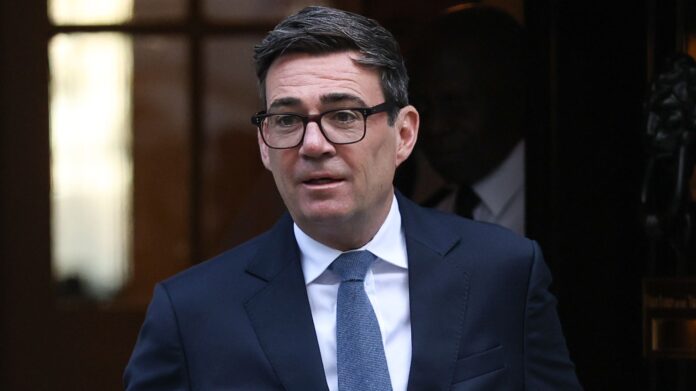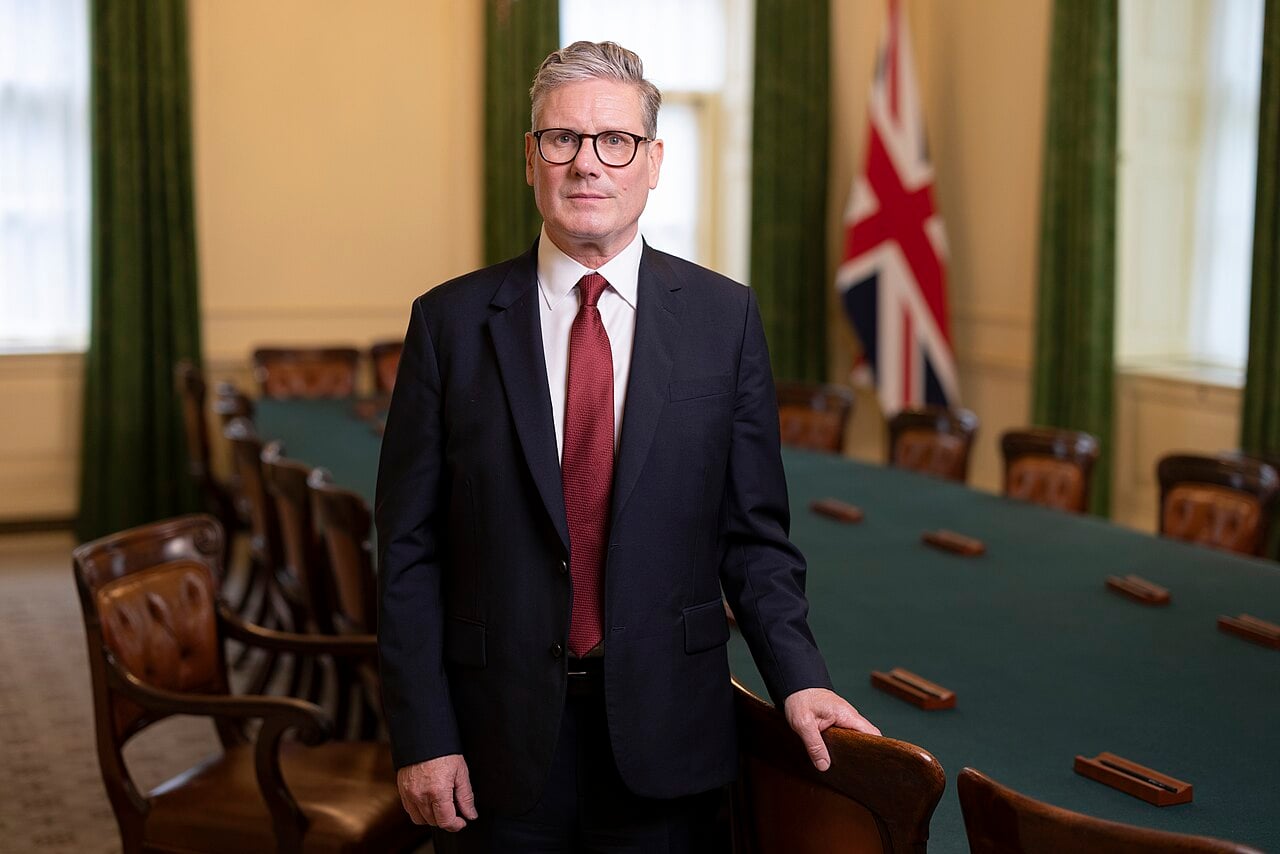

LONDON — The announcement was five minutes long. Keir Starmer delivered it on the pavement outside No. 10 Downing Street on the morning of June 22, without notes, and left the building he had occupied for just over two years as Britain’s prime minister. Before it was done, his successor was already being called the prime-minister-in-waiting. Britain will have its sixth prime minister in seven years: another change of government without a general election, another prime minister outlasted by the crisis rather than the campaign.
The sequence that produced that moment took four days. On June 18, Andy Burnham won the Makerfield by-election with 54.8 percent of the vote, taking 24,927 ballots against Reform UK’s 15,696, and securing the parliamentary seat that Labour’s rules required before he could challenge the leadership. By Monday morning, Starmer had concluded, and said so publicly, that the party could not wait any longer. As CNN reported, Starmer told the cameras outside No. 10: “Every decision I’ve taken has been about putting the country I love first. That is why I will resign as leader of the Labour Party.”
He pledged his full and unequivocal support to his successor and said he would remain as prime minister until the contest concludes. The party has set nominations to open on July 9 and close a week later. If only one candidate qualifies, the new prime minister could be at No. 10 by July 17. Burnham, currently the only declared candidate, is what a professor in public policy at the London School of Economics described, as the Washington Post reported, as heading toward “the coronation route, not the competition route.”
The resignation resolves a crisis that had been consuming the Labour government since May. Wes Streeting, the health secretary, quit on May 14, saying remaining in government would have been dishonourable. John Healey’s resignation as defence secretary followed days later, his letter quoting Starmer’s own warning about a possible Russian attack on NATO by 2030 and noting the defence budget would reach only 2.68 percent of GDP by that year. In the May local elections, Labour lost control of 35 councils and roughly 1,500 councillors, finishing level with the Conservatives as Reform UK swept through constituencies the party had held for decades.
Through it all, Starmer’s public line held: keep governing, refuse the question, stay the course. By the time Burnham entered the Makerfield race, Starmer had threatened to fire any minister who supported Burnham, a move that read less as authority than as its absence. More than 95 Labour MPs had publicly called for his resignation or a departure timetable. The ultimatum can only deter those who want to keep their jobs more than they want a new leader, and the past month had steadily reduced that category.
Burnham’s victory margin in Makerfield surprised even his allies. His 9,231-vote majority against a Reform UK candidate in a constituency that should not have been close represented not just a route to Westminster but a popular argument: that he, and not Starmer, could hold the northern wall against Nigel Farage’s party. NBC News reported that Starmer’s resignation came hours after Labour MPs concluded, in private, that the gap between Burnham’s win and the announcement had simply consumed whatever room for manoeuvre the prime minister had left.
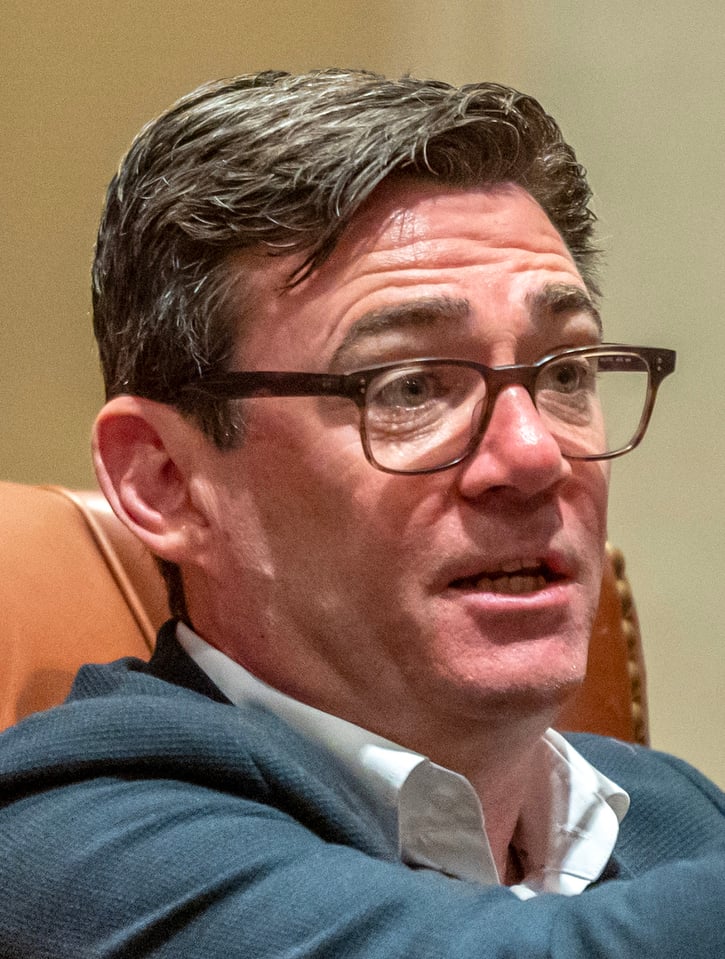
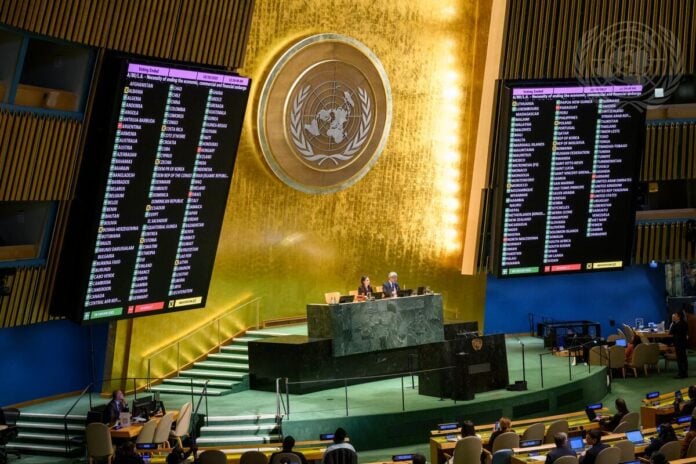
Burnham has not yet been pressed, in the role of prime-minister-in-waiting, to say in detail what a Labour government under his leadership would do on the questions that cost Starmer most. On Gaza, he has called Palestinian statehood “a right to be recognized, not a gift to be given” and demanded an end to “illegal settlement building by the Israelis.” This is language sharper than Starmer’s, though his position has stopped short of naming what Palestinian authorities have described as genocide. He told one interviewer he “couldn’t judge such matters from his position as mayor of Greater Manchester.” He will no longer have that qualification.
On Ukraine, Burnham has expressed strong support for Kyiv and described closer economic collaboration between Britain and Ukraine as a structural element of his foreign policy. On the United States, analysts have described his likely approach as less deferential to Washington than Starmer’s, with a greater willingness to break from the Trump administration on trade and foreign-policy questions where British and American interests have diverged. How much of that independence survives the first Downing Street call with Washington is a question Burnham has not yet had to answer publicly.
The political problem Burnham inherits runs deeper than a change of leadership can resolve on its own. Reform UK is still consolidating the northern seats Labour lost, and Burnham’s credential for holding them is precisely his record as an outsider to the Westminster establishment. A coronation inside the party machine carries a specific risk: arriving at No. 10 as the establishment’s choice rather than the north’s. What his Gaza policy will look like from Downing Street rather than from a Manchester by-election, and whether any Labour MP tests the coronation before nominations close on July 16, are the questions this moment has not yet answered.