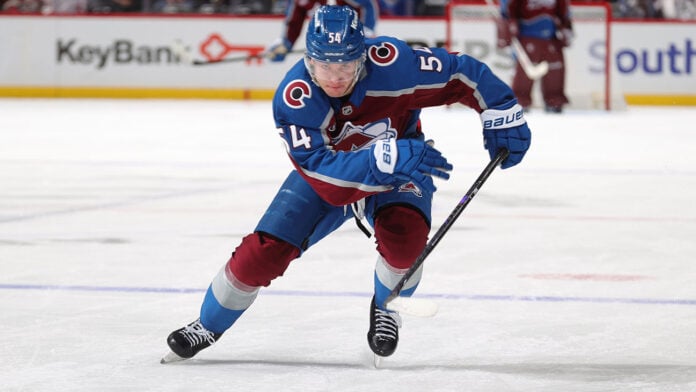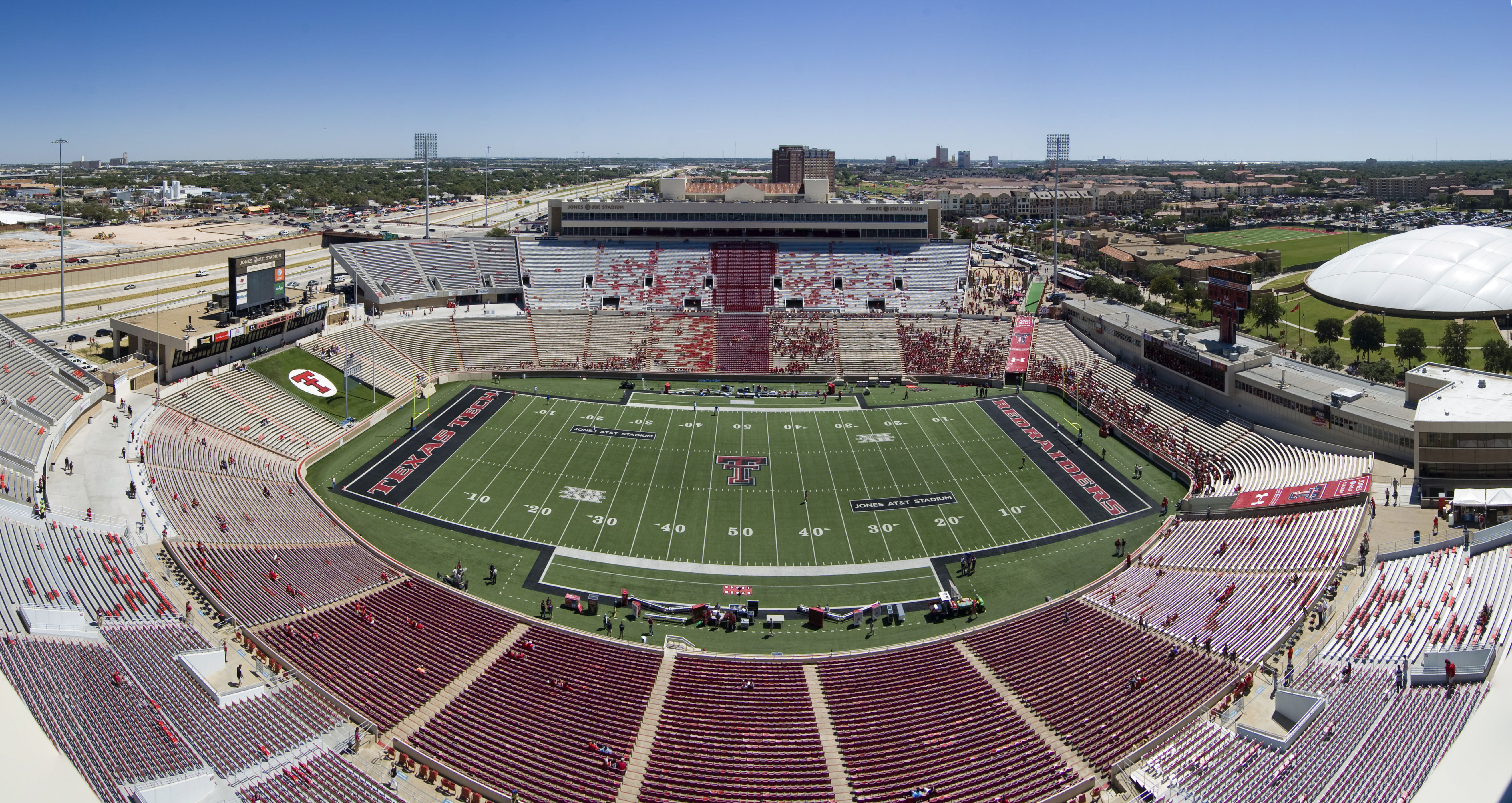

DALLAS – Brendan Sorsby made a calculated decision in April. The Texas Tech quarterback, having won a court injunction that would have let him play college football in 2026 despite a gambling investigation, voluntarily dismissed the lawsuit. He needed to be formally ineligible for college athletics to qualify for the NFL’s supplemental draft. So he made himself ineligible. Then, on Tuesday, the NFL declined to hold one.
The NFL informed Sorsby and league teams on June 23 that it would not conduct a 2026 supplemental draft, citing its right under the collective bargaining agreement to determine whether holding the process served competitive interests – and concluding it would become a distraction to teams beginning training camp preparations. As no other player had applied for the draft, Sorsby had, in effect, made himself the sole reason it would have occurred. The league said that was not sufficient reason to hold it.
Sorsby’s attorney, Jeffrey Kessler, responded immediately. The decision was “a violation of the CBA and the law,” Kessler told ESPN, adding that he would pursue the matter “immediately” with the NFL Players Association. Whether the union will take up the grievance on behalf of a player whose college career ended in a gambling ban is a question Kessler did not resolve.
The number that defines Sorsby’s case is not one figure but several stacked together. He placed at least 2,900 bets totaling more than $30,000 during his two years at Indiana, where he enrolled in 2022 as a freshman quarterback. Forty of those bets were placed on Indiana football games while Sorsby was a member of the roster. At Cincinnati, where he transferred after his sophomore season, he added at least 165 bets totaling at least $38,000 on professional and college sports. The NCAA’s final determination, issued in May 2026, declared him permanently ineligible for collegiate athletics – not for a single lapse but for what it described as a sustained pattern spanning three universities and four years.
Sorsby did not wait for that determination to begin engineering his next option. After a Texas judge granted a preliminary injunction in early 2026 blocking the NCAA from enforcing its ban – ruling that Sorsby faced probable, imminent, and irreparable harm if he could not play for Texas Tech – Sorsby and his attorneys weighed what came next. The injunction preserved his college eligibility but not his NFL path. In mid-April, the motion for dismissal was filed in the 99th District Court in Lubbock County. The NFL’s official announcement confirming no draft came just over two months later.
The NFL’s stated rationale – competitive disruption during pre-training camp – was met skeptically by Kessler and by observers of past supplemental draft processes, which have typically proceeded without significant franchise complaint. The supplemental draft was used as recently as 2024 and has historically been reserved for exactly this type of situation: a player whose college eligibility ended through circumstances arising after the standard April draft. The league’s position is that the CBA gives it discretion over whether to hold the process. NBC Sports reported the NFL also blasted Sorsby for a “lack of accountability” in how he had handled disclosures about the betting pattern – a characterisation his camp disputed.
The NFLPA, which would need to file any CBA grievance on Sorsby’s behalf, had not publicly confirmed it would do so as of Thursday. That silence likely reflects the union’s own calculation of what a Sorsby grievance would establish as precedent for a membership simultaneously subject to the NFL’s expanding gambling conduct rules. Backing a player sanctioned for betting on his own team’s games – to compel a league into a draft process it declined to run – is not an obvious cause for a union that represents the teammates whose game outcomes those wagers touched.
The broader gambling enforcement climate in professional sports has tightened markedly since the Jontay Porter incident in 2024, when the NBA banned a Toronto Raptors player for life after he shared injury information with bettors. The NFL’s own conduct policies on gambling have been expanded in the interim. What separates Sorsby’s situation from those cases is jurisdictional: his violations were in college, not the professional league he is attempting to enter. But the NFL has made clear it is treating the overall accountability record as relevant to its decision. The same month the NFL denied his draft petition, the CFTC opened its landmark rulemaking on prediction markets as World Cup betting volumes broke single-day records – both reflecting how thoroughly gambling now runs through American professional sports.
Sorsby’s next formal opportunity is the April 2027 NFL Draft, assuming he receives no additional sanctions when he comes before the league’s independent investigators. That timeline means more than a year between the end of his college career and the next chance to be selected. The grievance, if filed and processed, could take months that overlap with that window. What is resolved is 2026. For the quarterback who made himself ineligible to enter a draft the league then refused to hold, that is the one bet that definitively did not pay off.