
JERUSALEM – The Knesset voted itself out of existence Friday, formally ending the term of a parliament whose defining act was overseeing Israel’s military campaign in Gaza. The dissolution triggers October 27 elections – the first since a full parliamentary term has been completed in Israel since 1988 – and opens a formal campaign in which voters will render a verdict on Benjamin Netanyahu’s conduct of the longest and most devastating military operation in the state’s history.
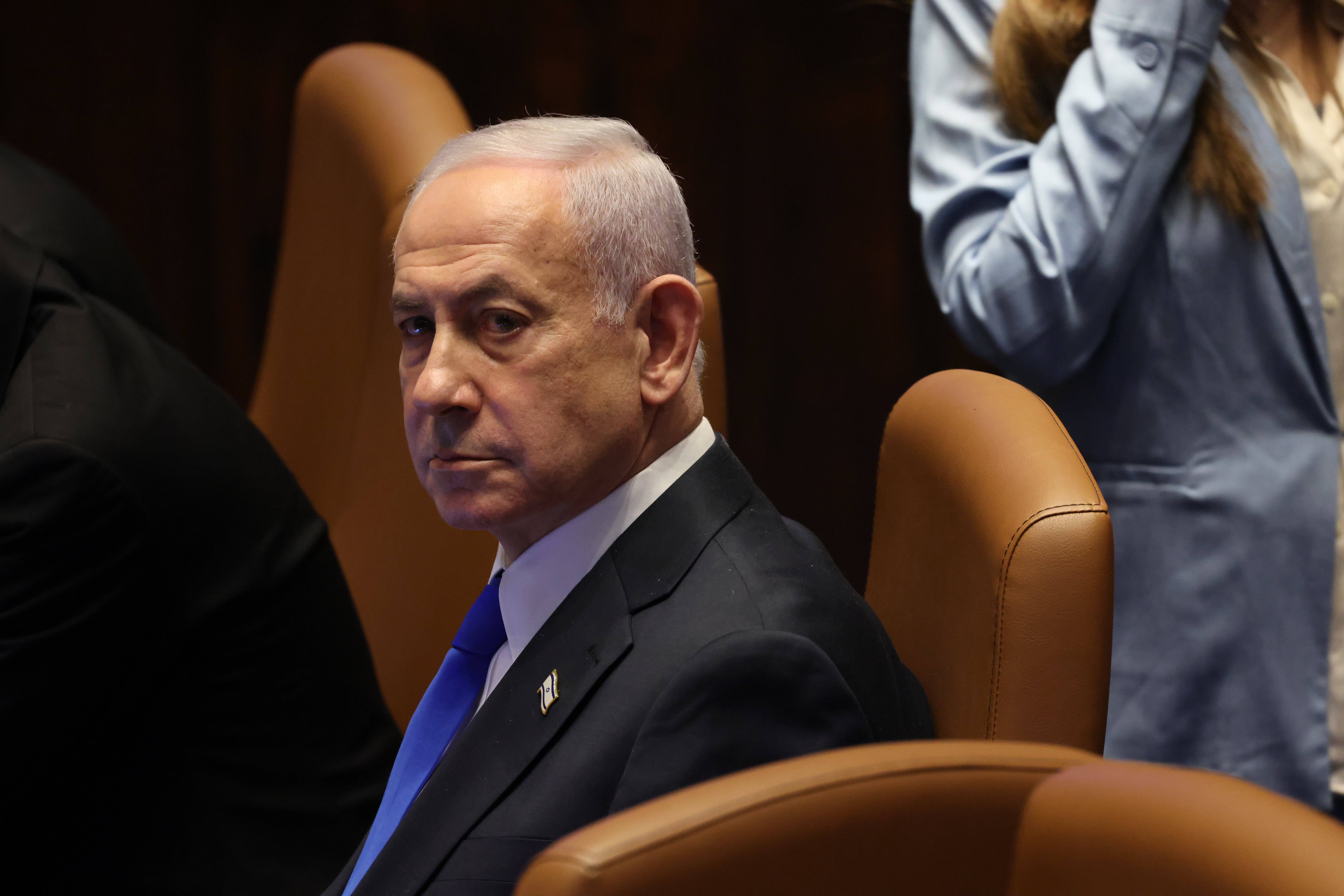
Netanyahu enters the campaign behind. Channel 12 polling gives his Likud party 22 projected seats, placing him second to former military chief of staff Gadi Eizenkot, whose Yashar party projects 23. The anti-Netanyahu bloc as a whole projects 59 seats – two short of the 61 required to form a government. Pro-Netanyahu parties and their ultra-Orthodox allies sit at 51. Arab parties hold the remaining 10. The arithmetic, as Al Jazeera noted in its breakdown of the election, suggests October 27 may resolve very little.
Israel’s electoral system offers no shortcuts. Every voter selects a party list, seats are apportioned nationally, and no single party has won an outright Knesset majority in the state’s 75-year history. The 3.25 percent threshold screens out smaller movements without preventing the fragmentation that has produced multiple inconclusive elections and coalition crises over the past decade. Three separate elections were held between 2019 and 2021 before a government could be seated. The current parliament was the rare exception – a coalition that, despite its internal fractures, held together long enough to run its full term.
Eizenkot, who served as military chief of staff between 2015 and 2019, has built his Yashar campaign on a double indictment: the wars Netanyahu chose to fight and the institutional damage his governments inflicted. He is the candidate best positioned to peel Likud voters who backed the 2023 offensive but have since soured on Netanyahu’s management of it. Naftali Bennett and Yair Lapid are running as a joint Together ticket, projecting 16 seats, pitching themselves as pragmatic reformers rather than ideological critics of the war. What none of the leading opposition parties has done, as the campaign formally opens, is offer a meaningfully different position on Gaza.
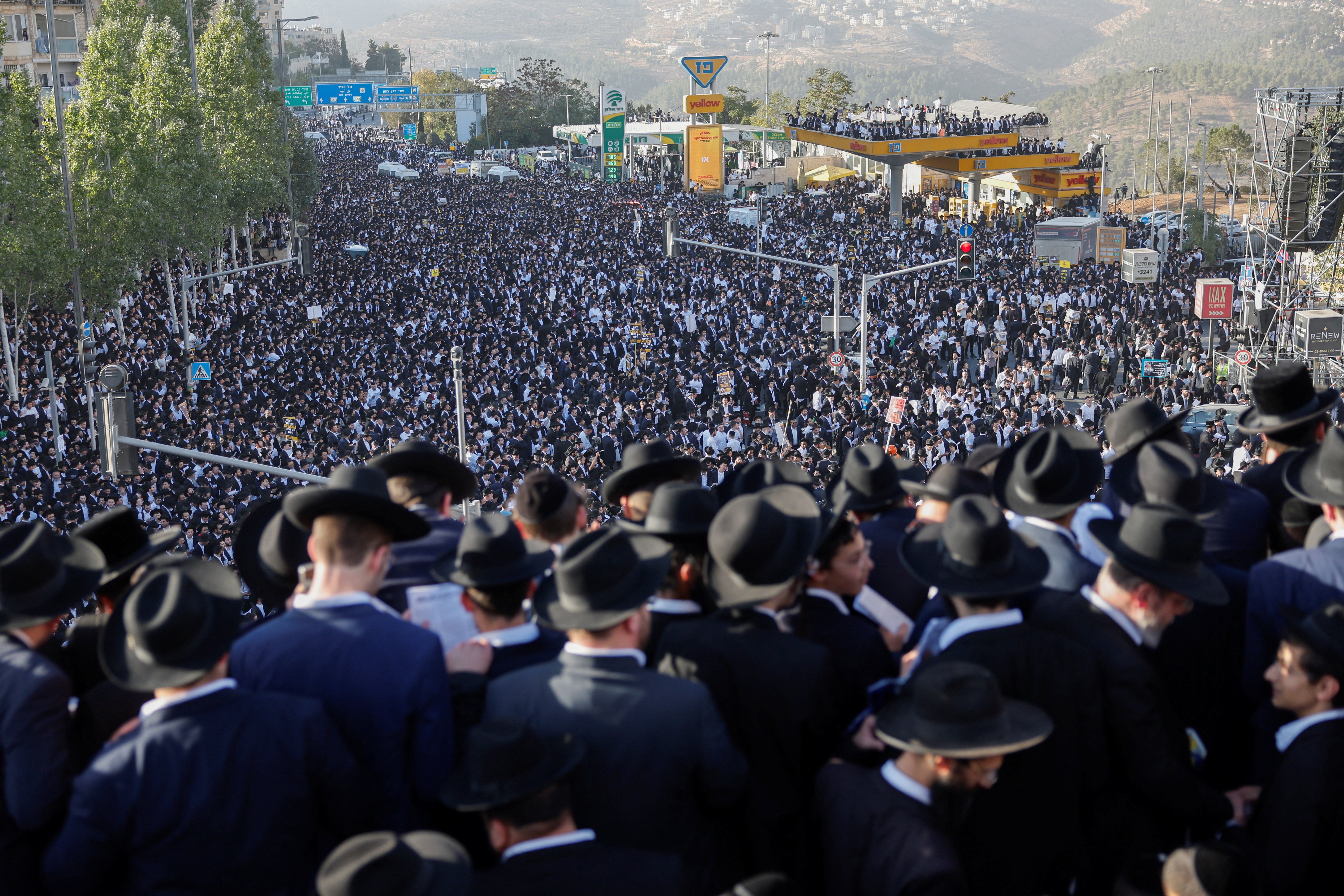
The most acutely contested domestic issue in the campaign is not the killing in Gaza – which has continued since October 2023 and now constitutes one of the highest death tolls of any military campaign in the region’s modern history – but the conscription of ultra-Orthodox men into the Israel Defense Forces. Netanyahu’s coalition has survived in part by making accommodations to Haredi parties that exempt their constituents from military service. The opposition parties have collectively ruled out continuing those accommodations. For secular and centrist Israeli voters, the question has become a proxy for the broader argument about who bears the cost of the state’s security obligations.
The Gaza picture, by contrast, barely registers in formal campaign statements. Gaza’s reconstruction remains blocked nine months into the ceasefire, with Israel barring every proposed governance structure from entering the territory. No leading Israeli candidate has outlined a plan for what follows. The Palestinian elections called by Mahmoud Abbas for November 28 would, if they proceed, create a new political reality on the Palestinian side – but the Israeli government that would face that reality has not yet been elected.
The coalition mathematics make every scenario contingent on assumptions about smaller parties that current polls cannot confidently model. Arab parties control 10 seats in the projection, a block that could either enable a government or be excluded from one depending on which deals are made in the days after the October count. No mainstream Israeli leader has built a majority government with formal Arab party support in the coalition – though such arrangements have provided outside confidence-and-supply backing – and whether the electoral arithmetic of 2026 changes that calculation will depend on results that no poll reliably predicts this far out.
Netanyahu confirmed in June he would stand as Likud’s candidate despite polling showing 61 percent of Israelis oppose his candidacy. His case to voters rests on the claim that only he can manage the complex of military and diplomatic relationships the Gaza and Iran conflicts have produced. The counter-argument – made most directly by Eizenkot – is that Netanyahu made those conflicts worse, prosecuted them without a coherent endgame, and faces ongoing corruption proceedings that disqualify him from office regardless of the outcome. Trump, who in June had publicly mused that Netanyahu might not want to continue in politics, has since backed away from that framing without endorsing him either.
The dissolution comes at an unusual moment in Israel’s regional position. A diplomatic arrangement between the United States and Iran reached earlier this year was publicly criticized by Israeli officials as inadequate to Israeli security needs. With a new government unlikely to be seated before December at the earliest, Israeli foreign policy during the campaign period will be conducted by caretaker ministers, with no mandate to make significant commitments. What the next government’s position on any resumed negotiations over Gaza or relations with Arab states that have not yet normalized with Israel will be remains entirely open.
The 1988 precedent carries no policy relevance – Israel then was fighting a different war, held no diplomatic relations with most of its neighbors, and operated under none of today’s coalition pressures. What the statistic marks is more modest: a parliament long accustomed to collapse held together long enough to finish what it started. Whether what it started – a military campaign whose human toll continues to be contested and whose political outcome remains unresolved – was worth finishing is the question October 27 will sharpen without answering.
Related Posts