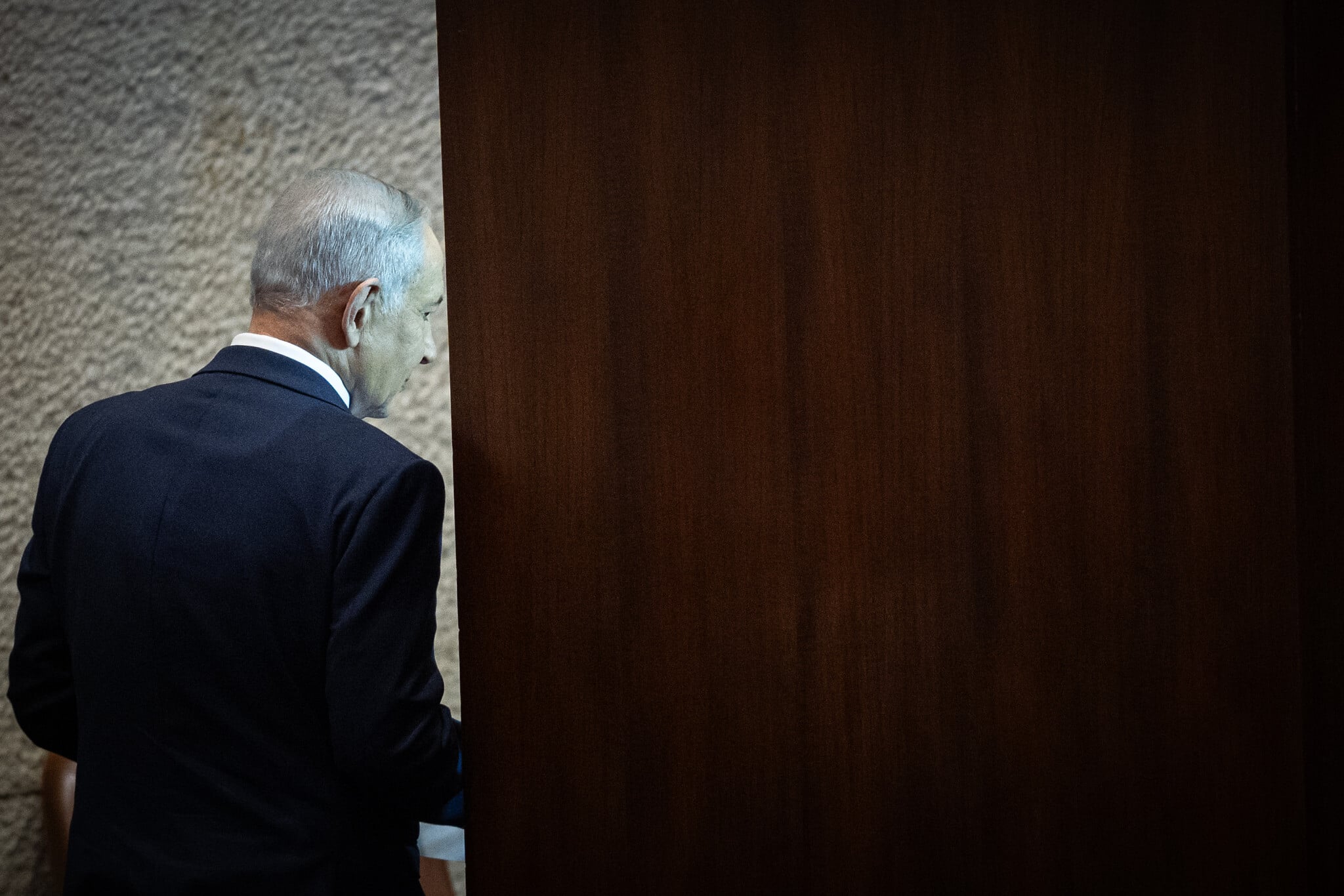

JERUSALEM — The announcement came not as a declaration of ambition but as a rebuttal. Israel’s Likud party issued a statement Wednesday confirming that Prime Minister Benjamin Netanyahu would seek re-election in the country’s upcoming parliamentary elections, hours after United States President Donald Trump publicly questioned whether Netanyahu still wanted a future in politics. Likud said Netanyahu would run and, with God’s help, he would win.
Trump’s comment landed like a stone in still water. Speaking from Washington, the U.S. president said he once called Netanyahu “crazy” and asked aloud, “Does he want to continue?” — an unusual public musing about the staying power of a sitting ally. The remark was not a condemnation. But it was enough to force Likud’s hand within hours, compelling the party to put on record what Netanyahu himself has long signaled: that he intends to lead Likud into elections expected no later than October 27.
The political landscape Netanyahu is walking into is forbidding. A survey published this week showed that 61 percent of Israelis, including a significant portion of center-right voters who traditionally form part of Likud’s base, do not want him to run. Opinion polls consistently place Netanyahu’s bloc short of the 61-seat majority needed to form a government in Israel’s 120-seat Knesset. The opposition bloc, led by former prime minister Yair Lapid and former prime minister Naftali Bennett running together on a joint list called Beyahad, or Together, is narrowly ahead in some surveys and within the margin of error in others. Neither side has a clear path to a majority.
That structural ambiguity makes the election one of the most consequential — and uncertain — in Israeli political history. It will be the first national vote since Hamas’s assault on October 7, 2023, an event that shattered the consensus around Israeli security doctrine and left the question of accountability unresolved in the country’s political system. Many Israelis hold Netanyahu personally responsible for the intelligence and strategic failures that preceded the attack; others credit him with the wartime conduct that followed, including the military operations in Gaza, the aerial conflicts with Iran, and the campaign against Hezbollah in Lebanon. Those two judgments have not reconciled and are unlikely to before the vote.
Netanyahu, who turned 76 this month, is simultaneously managing a long-running corruption trial in which he faces charges of bribery, fraud, and breach of trust in three separate cases. The trial has proceeded haltingly through years of legal maneuvers and has not produced a verdict. He has denied all charges. His critics argue the trial itself is a disqualifying factor; his supporters treat the proceedings as a politically motivated harassment campaign and have made that grievance a rallying point at Likud events.
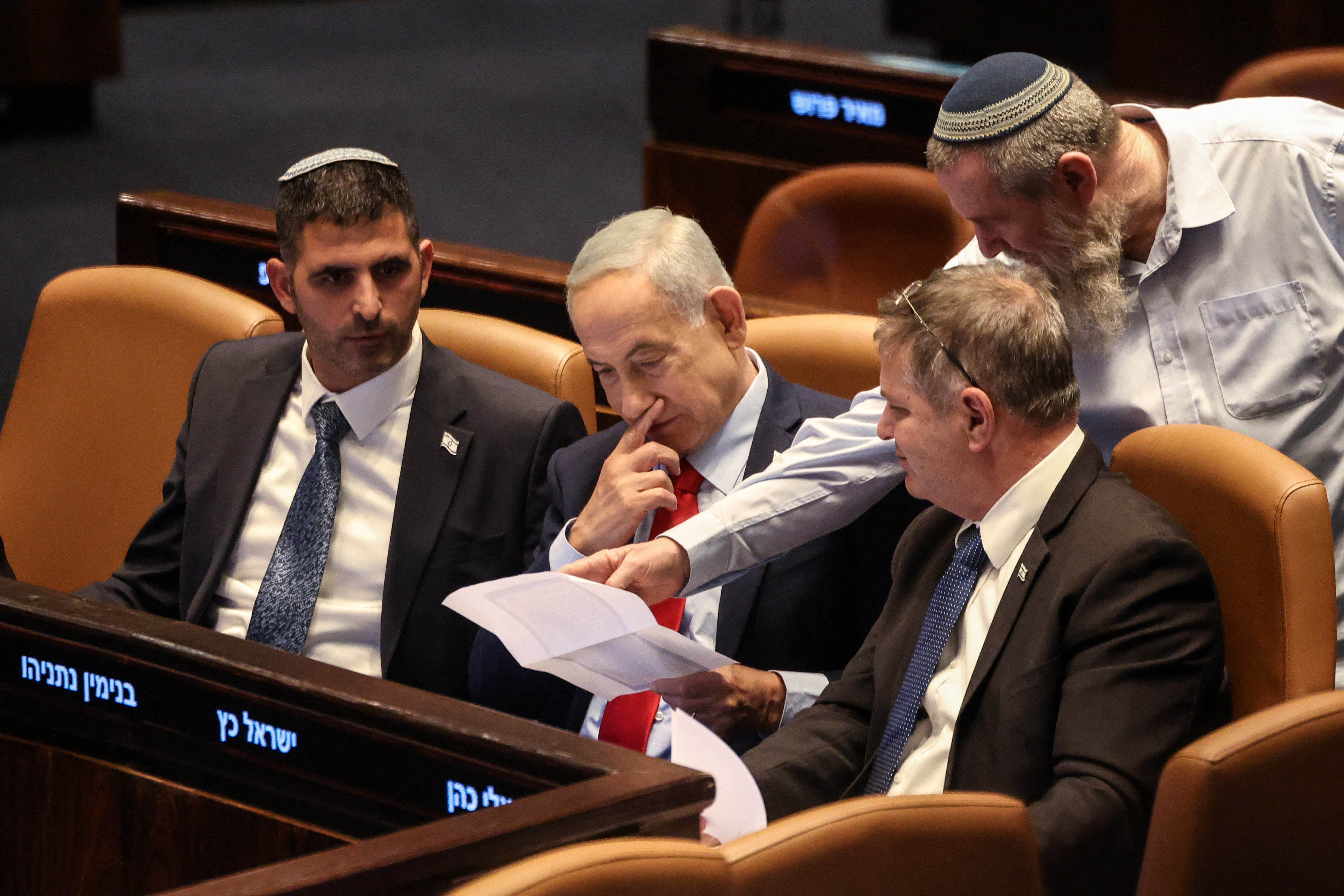
The Likud party’s internal timetable adds a layer of institutional complexity to the picture. The party announced earlier this month that it would hold primaries for its Knesset electoral slate no later than July 28, with Netanyahu guaranteed the top position. That process carries its own tensions: internal polls have raised concerns that candidates favored by the Likud membership base may be less appealing to the moderate right-wing voters whose support any Netanyahu-led coalition would need. Several ministers, including figures from the party’s populist wing, are described in Israeli political coverage as presenting a liability in general-election terms even as they remain popular within party institutions.
The broader regional context within which Netanyahu is campaigning is one that no previous Israeli election has had to absorb. Saudi Arabia has signaled, according to earlier reporting by The Eastern Herald, that it will delay normalization with Israel until after the Israeli elections, effectively parking one of the signature potential achievements of Netanyahu’s foreign-policy agenda until voters have rendered their judgment. The Iran conflict, which entered its 100th day in early June with Netanyahu defying Trump and ordering strikes despite pressure for a ceasefire, has simultaneously burnished his image as a wartime decision-maker and deepened the rupture with Washington that Trump’s comments on Wednesday reopened.
It is that rupture — or rather, the ambiguity about how deep it actually runs — that Israeli political analysts say could matter most in the coming months. Trump’s relationship with Netanyahu has oscillated between effusive praise and visible frustration since the Gaza conflict began. The “crazy” comment on Tuesday, though delivered without evident malice, was the kind of casual public doubt that opponents of Netanyahu will repurpose in campaign materials. The Likud statement on Wednesday was calibrated precisely to close that opening before it widened.
Netanyahu faced no challengers in Likud’s party leadership primaries in November 2025, a result that reflected his near-total institutional control of the party’s apparatus even as his standing with the broader public continued to erode. The Knesset voted on June 2 by 106 to 14 to advance a dissolution bill in its first reading, a procedural step that cleared the way for elections to be called formally. The bill’s overwhelming passage across party lines reflected a consensus that the current government had exhausted its mandate — not that any particular replacement was ready.
What the election will actually test is still forming. Netanyahu’s corruption trial and the political system it has strained remain unresolved in both legal and public terms. The October 7 accountability question has no official commission to anchor it — Netanyahu’s government blocked the formation of a state inquiry. The Gaza war’s trajectory between now and October will shape the political temperature in ways that current polling cannot capture. And Trump’s remark, for all its off-the-cuff delivery, left open a question that the Likud statement did not fully answer: whether U.S. support for a fifth Netanyahu government would be as unconditional as it was for the fourth.
That is not a question Likud’s communique was designed to address. It was designed to confirm one name and close down the speculation that had gathered around it. Whether Netanyahu can close down the rest is the election.