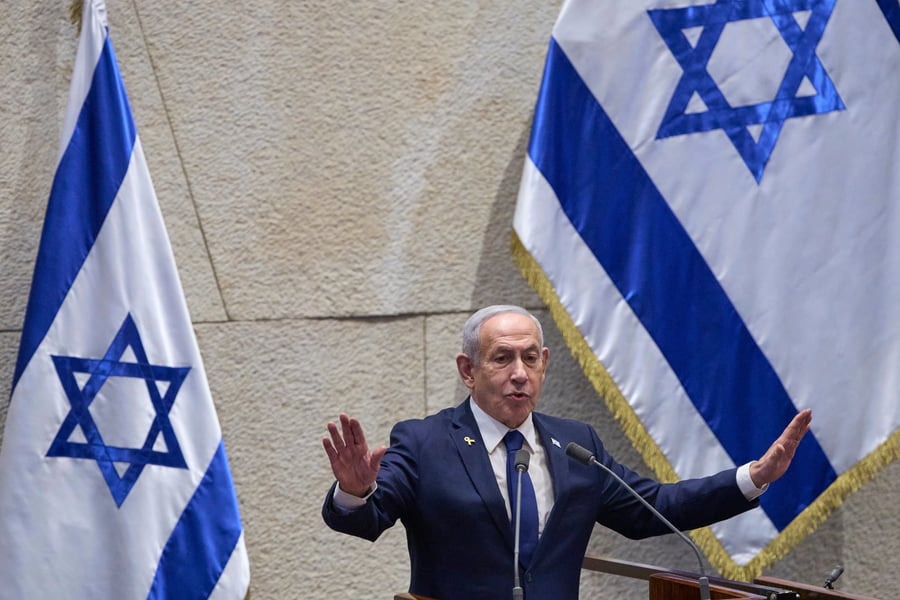

Israel’s long-running political crisis has entered a volatile new phase, with Prime Minister Benjamin Netanyahu facing intensifying scrutiny as prosecutors agree to explore a possible plea deal in his corruption trial, a move that underscores both mounting legal pressure and deep fractures within the country’s leadership.
At the center of the unfolding drama is a striking reality: Netanyahu remains in power while standing trial in a case that has already stretched over years, reshaped elections, and polarized Israeli society. Now, with plea negotiations emerging alongside a stalled pardon request, the legal battle has evolved into a broader confrontation over power, accountability, and the limits of political survival.
Netanyahu is facing charges of bribery, fraud, and breach of trust across three separate cases, allegations he has consistently denied, framing them as politically motivated. Yet the proceedings have deeply divided Israeli society, turning the case into a national flashpoint that continues to reshape politics and governance.
The latest turning point came when prosecutors signaled readiness to engage in plea deal discussions, while maintaining that negotiations must proceed without disrupting the ongoing trial. has stepped in to facilitate mediation, refusing to fast-track clemency and instead pushing both sides toward a negotiated outcome.
This approach has placed Netanyahu under increasing scrutiny, as the possibility of a deal now runs parallel to a trial that shows no signs of ending quickly. The president’s stance reflects a broader institutional concern that legal processes must not be overridden by political expediency, even as external voices continue to weigh in on the controversy.
Behind the scenes, the pressure is not only legal. The case has fueled years of political instability, triggering repeated elections and deepening divisions across Israeli society. Supporters continue to defend Netanyahu, while critics argue the case represents a critical test of whether any leader is above the law.
At the same time, Netanyahu’s pursuit of a presidential pardon has intensified debate over the boundaries between political authority and judicial accountability. Legal experts have warned that granting clemency during an ongoing trial could undermine institutional credibility and set a controversial precedent.
The implications extend beyond domestic politics. Netanyahu’s leadership has increasingly drawn criticism of Prime Minister Benjamin Netanyahu’s leadership, particularly in the context of broader security and governance decisions. At the same time, global critics have linked the political crisis to wider regional tensions and policy choices.
Even as negotiations are explored, prosecutors have made clear that any agreement must not derail the judicial process. This underscores a critical point: plea talks are not a resolution, but a reflection of the seriousness of the legal battle now confronting Israel’s leadership.
For Netanyahu, the path forward is narrowing. Entering a deal could carry political consequences, while rejecting negotiations risks prolonging a trial that continues to erode public trust and institutional stability. The situation represents not just a personal legal challenge, but a defining moment for Israel’s political system.
As the process unfolds, the country finds itself at a crossroads. The outcome will not only determine Netanyahu’s future, but also test the resilience of Israel’s legal institutions in the face of sustained political pressure. What began as a legal case has evolved into a broader struggle over governance, accountability, and the rule of law itself.