
KUWAIT CITY – The fire at Kuwait’s power and water desalination plant was contained within hours, but the threat it represents has no quick fix. Iranian missiles struck one of the facilities that produces nearly all of the country’s drinking water on Friday, damaging multiple electricity generation units and sparking a blaze, as the United States simultaneously cut the highway and railway bridges connecting Iran’s main southern port to the rest of the country.
American aircraft targeted bridge and road infrastructure in Hormozgan province overnight, aiming to sever Bandar Abbas, Iran’s largest port and the IRGC Navy’s primary Gulf headquarters, from central Iran and Tehran. Iranian health officials said the strikes killed at least 38 people and wounded more than 400 as of Friday morning, with at least seven deaths in Bandar Khamir alone. A tower at Chabahar port, on the Gulf of Oman, was also struck and collapsed, which US Central Command said “directly degrades the paramilitary’s ability to coordinate attacks on innocent civilian crew members.”
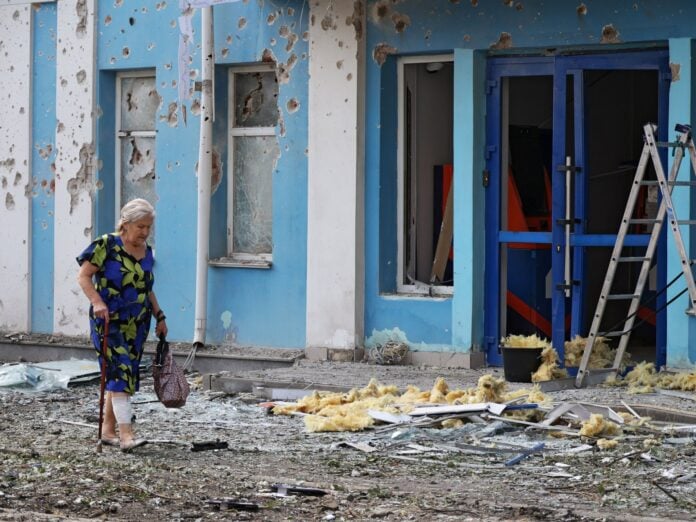
Iran’s response arrived before dawn. Missile barrages targeted Qatar twice, struck Bahrain, and then hit Kuwait’s power and desalination complex, where authorities said a large number of electricity generation units were damaged and a fire broke out. Kuwait’s Ministry of Electricity, Water and Renewable Energy confirmed the attack, said the fire had been brought under control, and activated emergency contingency plans. A child in Qatar was wounded when debris from an intercepted Iranian missile fell on the country.
The choice of a desalination plant as a target reflects a specific vulnerability. Kuwait draws approximately 90 percent of its drinking water from desalination. Across the Gulf, the dependence runs similarly deep, with Oman relying on it for about 86 percent of its freshwater and Saudi Arabia for roughly 70 percent. A CIA analysis concluded that more than 90 percent of the Gulf’s desalinated water flows through just 56 plants, and that each of those installations is “extremely vulnerable to sabotage or military action.” The US-Iran conflict, previously concentrated on military bases, oil infrastructure, and naval assets, has now reached that vulnerability.
The escalation came a day after Iran formally voided the interim ceasefire that Gulf mediators had brokered in June. Parliament speaker Mohammad Bagher Ghalibaf had declared the agreement dead, calling the conflict an existential war against American aggression, and signaling that Tehran would no longer observe the constraints of the now-collapsed diplomatic framework. The United States responded by expanding its strike package to include bridges it had previously threatened to destroy.
Kuwait has been caught in the blast radius of a conflict it did not initiate. Iran’s IRGC struck the Mina Abdullah military logistics hub in Kuwait earlier this week during Operation Nasr 2, targeting American-linked infrastructure rather than Kuwaiti facilities. Friday’s strike on a desalination plant marked a different kind of target: civilian water infrastructure rather than military assets, raising questions about whether Iran’s reach is now extending beyond purely military objectives.
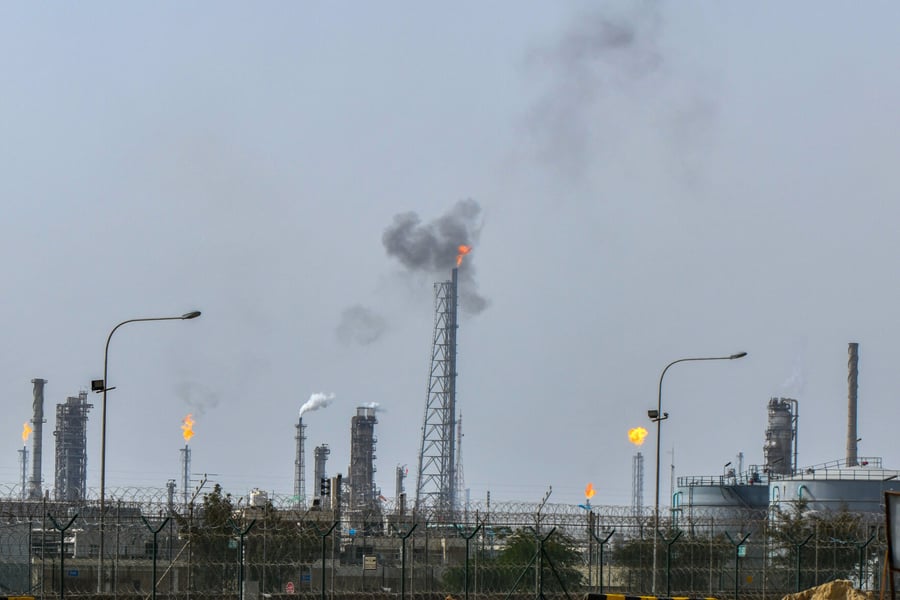
Oil prices climbed above $86 per barrel on Friday as traders absorbed the news. Vessel crossings through the Strait of Hormuz fell to a three-week low, with only eight ships recorded transiting on Thursday. Three commercial tankers were struck off Oman’s coast earlier this week, establishing a pattern in which the conflict now touches commercial shipping, military installations, and civilian water infrastructure within a single operational window.
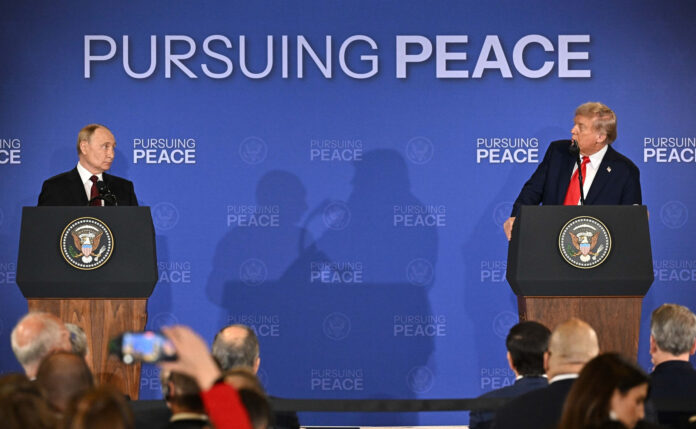
Trump told reporters that the United States was “winning big in Iran” and promised unspecified results in the near term. The comment offered no specifics about casualty counts, military objectives achieved, or the status of any diplomatic channel with Tehran. His administration’s bridge strikes were designed to isolate Bandar Abbas by severing road and railway connections northward and inward, preventing the reinforcement and resupply of the IRGC’s Gulf naval headquarters.
For the Gulf states hosting American military infrastructure, the week’s sequence is difficult to absorb. Kuwait, Qatar, and Bahrain have all taken Iranian fire in recent days. None has signaled a reconsideration of the US military presence on its soil. Whether that silence reflects strategic steadiness or political constraint is not apparent from outside those capitals.
The scale of damage to Kuwait’s water supply cannot be assessed from the ministry’s brief statement. The facility is described as a combined power and desalination plant, standard configuration along the Gulf coast, where generation units and freshwater production share the same infrastructure. Kuwait’s previous experience in this conflict included damage to the Doha West desalination plant from intercepted drone debris earlier in the war, suggesting that strikes have been approaching this class of target for some time.
Kuwaiti authorities have not identified the specific plant struck on Friday, and no independent assessment of the damage or its effect on water output is available. Emergency contingency plans may involve shifting production loads to unaffected facilities or drawing on stored reserves, but the depth of those reserves and how long they would sustain a major city under disruption remain sensitive details Kuwait has not disclosed. What the strike established is that the conflict now has both the will and the capacity to hit infrastructure millions depend on for drinking water. The fire was put out quickly. Whether that will remain true, across a network of 56 plants whose locations are fixed and whose vulnerabilities are known, is the question this day left open.