
LOS ANGELES – For the collectors who spent hours watching live streams on Whatnot, clicking to buy a spot in a randomized card break, the experience felt like retail shopping. Now, a California attorney says it was gambling, and 30 of his clients want their money back.
Attorney Paul Lesko filed 15 arbitration claims in March against Whatnot, the Santa Monica-based live-shopping platform that generated more than $8 billion in sales last year and sells roughly six million trading cards per month. The complaints allege that Whatnot’s core card-breaking format, where users pay for a “spot” and a randomized digital tool determines which team or player they receive from an unopened box, constitutes an illegal lottery under California Penal Code Section 319. Thirty additional claims are expected to follow, with arbitration proceedings set to begin by mid-July.
The case arrives as regulators and lawmakers across the United States have struggled to keep pace with digital commerce occupying the uncertain legal territory between retail and wagering. Sweepstakes casinos have already been banned in six states, with Indiana and Iowa enforcing new prohibitions on July 1. If Lesko’s arbitrations succeed, the consequences could extend well beyond Whatnot, forcing a reckoning across an industry built around the thrill of not knowing what you will receive.
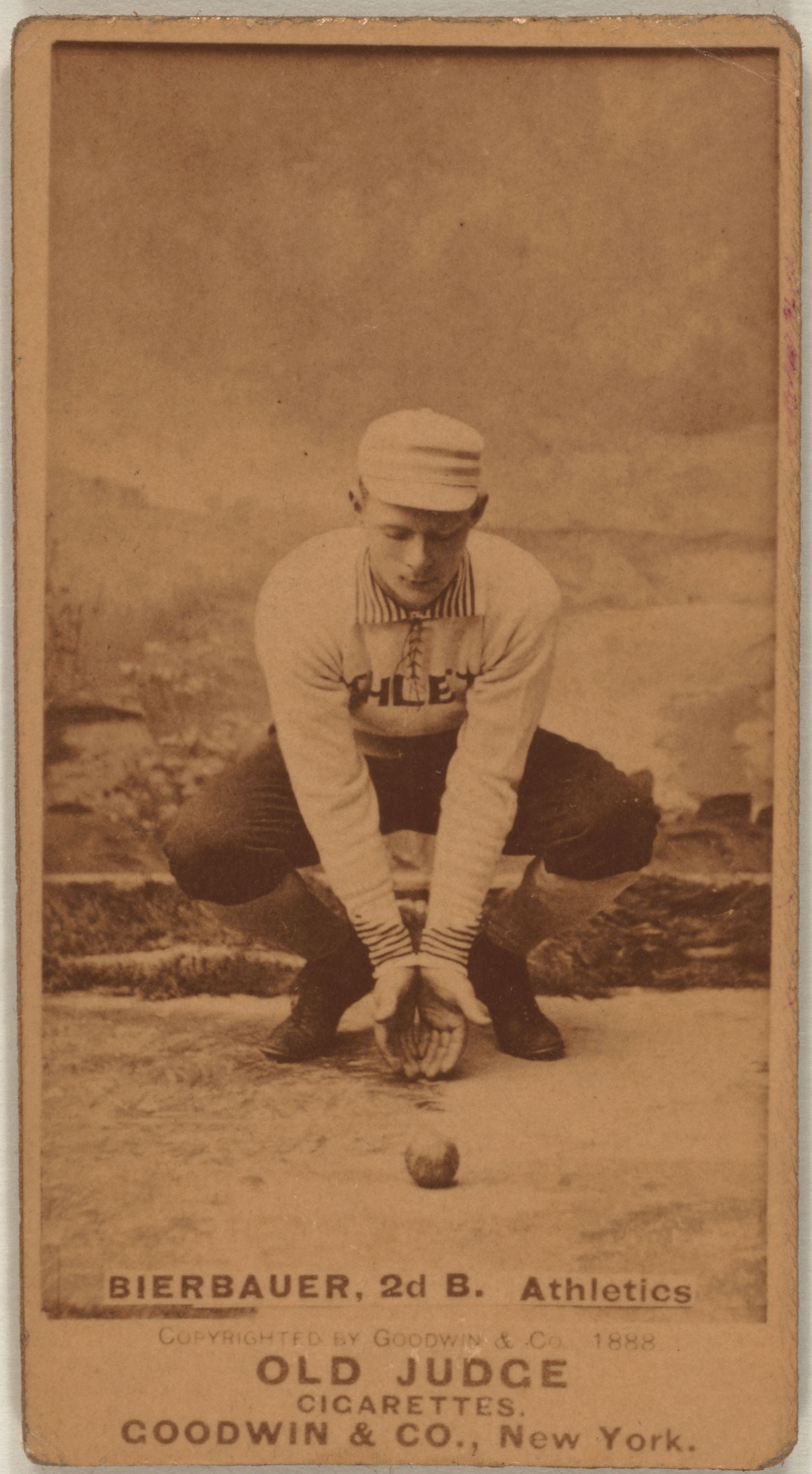
Box breaking works like this: a host purchases sealed boxes of sports cards and invites buyers to claim a “spot” representing a team or a player. Once all spots are sold, the host opens the boxes on a live stream and distributes cards according to whichever team or player appears. The randomization is delivered through a wheel spin, a dice roll, or a proprietary digital selector. A collector who lands a coveted rookie card profits; one who draws a bench player does not.
Lesko, who has focused his practice on consumer protection and gambling law, argues that what distinguishes Whatnot’s format from ordinary retail is the element of chance governing what a buyer actually receives. Under California Penal Code Section 319, a lottery exists when a scheme combines three elements: a prize, an element of chance, and consideration, being the payment for a spot. He argues the breaking format satisfies all three, making it an unlicensed lottery that violates state law. ESPN reported the complaints also include claims under the federal Racketeer Influenced and Corrupt Organizations Act, alleging that the platform’s repeated conduct constitutes a pattern of racketeering activity.
Whatnot rejected the legal framing entirely. “We absolutely reject the characterization in this complaint,” the company said in a statement issued in March. “Gambling isn’t allowed on Whatnot, and we strictly enforce this policy. Whatnot is a commerce platform built to support small businesses, connecting them with buyers who purchase products they love.” The company has not publicly detailed its legal strategy for the arbitration proceedings set for next month.
The complaints also point to what Lesko characterizes as a structural gap between Whatnot’s operating environment and the consumer safeguards that licensed gambling operators are required to maintain. State-regulated casinos in California must offer self-exclusion lists and spending limits to customers demonstrating problem gambling behavior. Whatnot, the complaints allege, has operated for years without equivalent protections, exposing vulnerable users to unchecked spending cycles driven by the platform’s live-stream format and social pressure to keep buying spots.
The legal action intersects with a significant policy change at Whatnot. In early March, the platform revised its arbitration terms to require users to split the cost of arbitration with the company, offering a 30-day window to opt out. That deadline has since passed. Legal observers note that cost-sharing provisions in arbitration agreements are frequently challenged and can, under certain conditions, be found unenforceable when they effectively bar a claimant from pursuing a remedy.
The financial scale of the market makes the outcome consequential beyond any individual claim. Whatnot’s sports card category has grown into one of the largest secondary collectibles markets in the United States, with millions of dollars changing hands each day across tens of thousands of live-stream sessions. Card values have surged in recent years, driven partly by celebrity collectors and partly by the accessibility of platforms like Whatnot that allow breaking from a smartphone. Sports Illustrated noted the case is drawing scrutiny from legal analysts who track the emerging boundaries of online commerce and state gambling statutes.
Whatnot is not the only digital platform navigating aggressive state gambling enforcement. In Nevada, the state Gaming Control Board moved to hold prediction market operator Kalshi in contempt for alleged violations of a court order barring it from operating in the state, after investigators documented eight purchases of prohibited contracts despite a geofencing system meant to prevent them. A federal judge in Michigan separately denied an injunction to Polymarket, ruling that federal commodity law does not preempt state gambling statutes for sports contracts.
No arbitrator or court has yet ruled on the core question Lesko is pressing: whether a randomized card break is commerce or a lottery. Whatnot has not disclosed its legal approach for the mid-July proceedings, and Lesko has indicated plans to continue filing claims as the first wave of arbitrations opens. The answer, when it comes, is unlikely to settle the argument quickly in a market that did not exist when California first enacted its lottery statutes more than a century ago.