
Owens Corning OC surged more than 14% on Monday, its best single session since 2009, after The Wall Street Journal reported that Carlisle Companies CSL had made multiple unsolicited offers to acquire the roofing and insulation manufacturer in a deal that would be valued at well over $10 billion. Carlisle fell more than 5% on the same news. The market’s arithmetic was straightforward: one company is being told it might be worth considerably more than its recent trading price; the other is being told it may be about to spend a very large sum on something the target does not appear to want to sell.
According to The Wall Street Journal, Carlisle’s bids, cash-and-stock in structure, have been met with limited engagement from Owens Corning, and Carlisle is now weighing its next move. The phrase “limited engagement” in deal reporting is a euphemism with a specific meaning: the target has not said yes, has not formally said no, and has not invited the acquirer to open its books. It is the corporate equivalent of leaving a message unreturned.
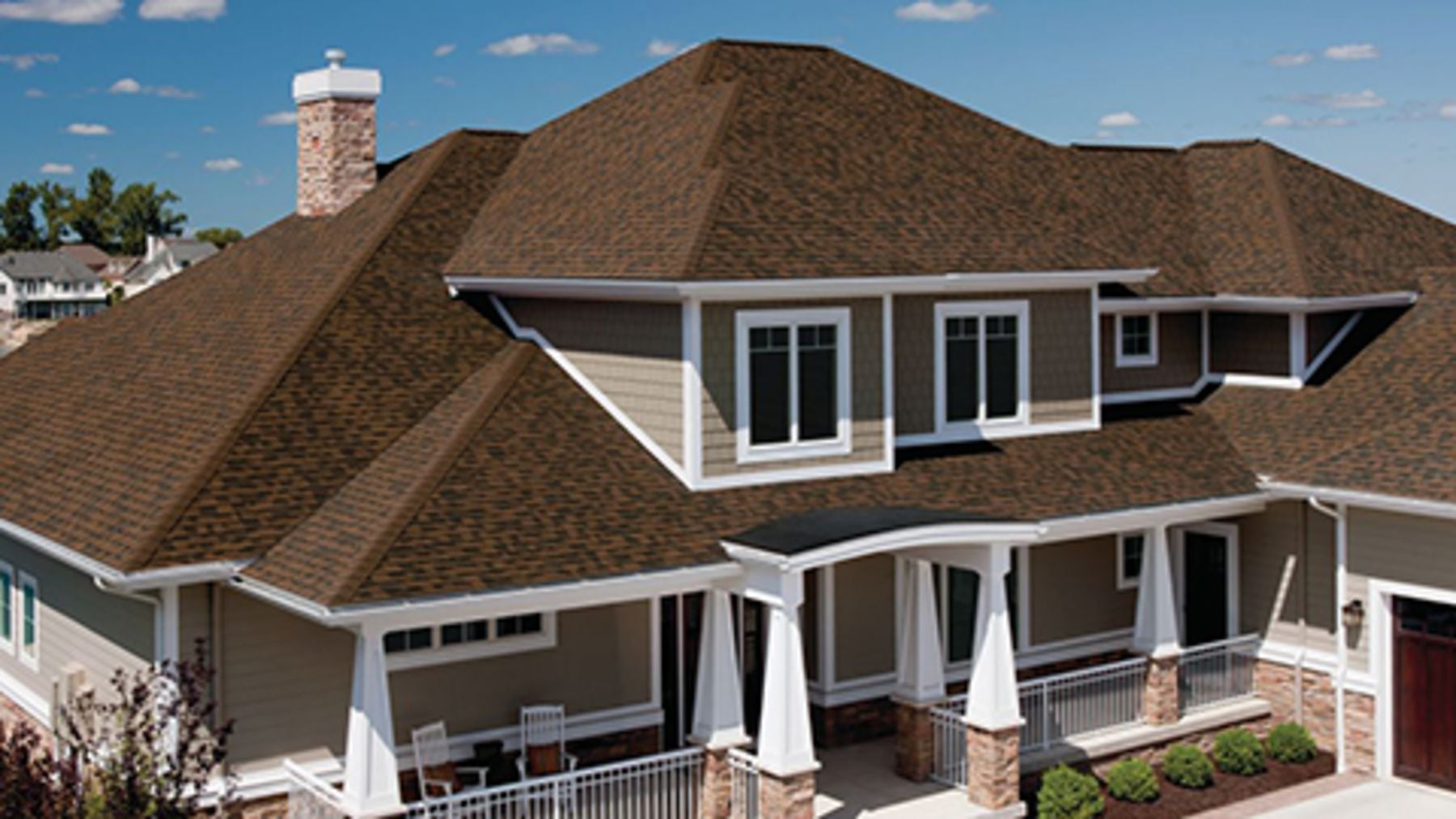
The strategic logic behind Carlisle’s pursuit is legible. Both companies operate in building products, an industry where scale matters and where consolidation tends to follow periods of elevated construction activity. Owens Corning’s segments, roofing, insulation, and doors, overlap with and complement Carlisle’s own roofing systems business in ways that a deal proponent could argue would create a building-materials company with few obvious peers in North America. That argument is easier to make in a boardroom presentation than it is to execute in practice, but it is not an argument without substance.
What it costs Carlisle to make is the harder question. A deal well over $10 billion, structured in part as stock, means Carlisle shareholders are being asked to accept significant dilution in exchange for a combination that Owens Corning has not publicly endorsed and may actively resist. Carlisle carries higher leverage than Owens Corning and has meaningful exposure to nonresidential construction, a market that has been uneven. Analysts at several firms flagged that any misstep in integration, or a prolonged demand slowdown in the markets both companies serve, could strain Carlisle’s balance sheet in ways the current share price does not yet fully price in.

The 5% drop in Carlisle’s stock on Monday reflects that concern directly. Investors who own the acquirer in a contested or uncertain deal tend to price in the possibility of an overpay, especially when the target’s silence signals that the announced price is either insufficient or that management has reasons beyond valuation for not engaging. Owens Corning has not commented publicly. Neither has Carlisle beyond what the Journal’s reporting surfaced.
For Owens Corning shareholders, Monday’s move raised a different calculation. A 14% single-session gain on takeover speculation is not the same as a deal. The premium Carlisle has apparently offered has not been disclosed, and the gap between what an acquirer thinks a company is worth and what a target’s board will accept, particularly in an unsolicited approach, is often wider than an initial jump in the share price suggests. If Carlisle walks away, Owens Corning’s stock does not stay at Monday’s levels. If Carlisle returns with a higher offer, the board faces the question that every corporate board eventually faces in these situations: at what price does “limited engagement” become a fiduciary obligation to engage fully?
The building products sector has been a consistent consolidation target in recent years, as companies seek to reduce exposure to the volatility of any single construction cycle by assembling portfolios of products that serve different segments of the housing and commercial market. Owens Corning, which emerged from bankruptcy in 2006 and has built itself into one of the dominant names in residential roofing, represents exactly the kind of asset that makes strategic sense to own at scale, provided the price of ownership can be justified to shareholders on both sides of the transaction. That is the negotiation that has not yet started in any meaningful way.
Carlisle is contemplating its next move, according to the Journal’s reporting. What that move is, a higher bid, a public campaign, or a withdrawal, will determine whether Monday’s surge becomes the beginning of a deal process or an isolated one-day event in Owens Corning’s trading history. The answer is not yet known to anyone outside a small number of people at two companies in the building products business, neither of which is saying anything on the record.