
BEIJING — For as long as medicine has tried to understand where human blood begins, the answer pointed inside the embryo. Three weeks into development, a process called gastrulation sets the body’s basic architecture, and scientists believed it also triggered the first production of blood cells. A study published Thursday in the journal Nature, led by researchers at a Beijing institute, has moved that moment of origin to a different location and an earlier time.
The team, based at the Institute of Hematology and Blood Diseases Hospital at the Chinese Academy of Medical Sciences, worked alongside colleagues at Beijing Institute of Technology and the Chinese PLA General Hospital. They applied a technique called spatial transcriptomics to a single early-stage human embryo, producing what they describe as the first high-resolution spatial atlas of the human embryo at this particular stage of development.
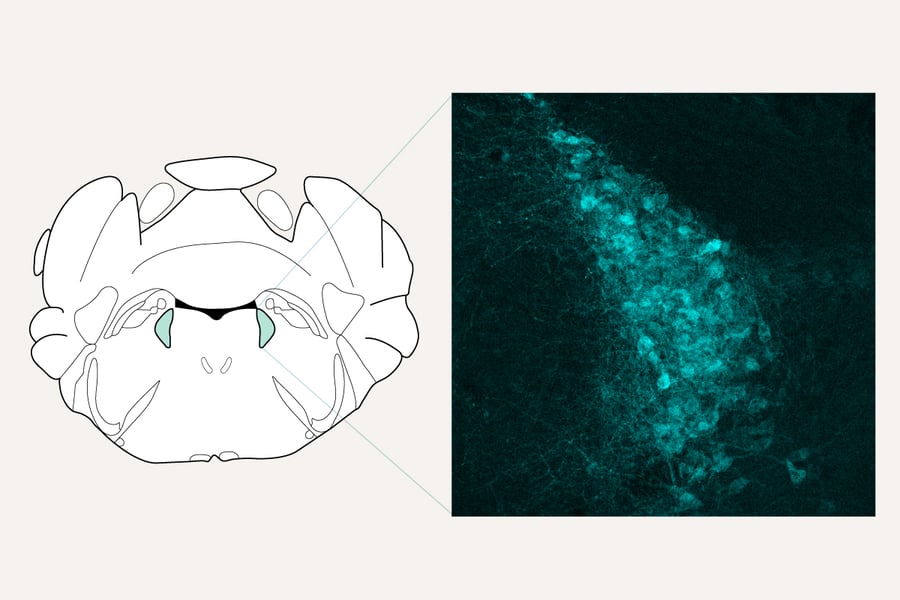
Spatial transcriptomics differs from standard genetic sequencing in a fundamental respect. Conventional RNA sequencing blends cells from across a tissue and produces an average of gene activity, useful for many purposes but unable to reveal how that activity is organised in space. Spatial transcriptomics preserves the tissue’s geography, recording which specific cells, at which locations, are running which genetic programs. In a developing embryo, where the location of a cell can be as important as its identity, that spatial context is exactly what the technique provides.
The atlas the team produced showed blood production already underway in the embryonic yolk sac before gastrulation starts. The yolk sac is a temporary structure that surrounds and nourishes the embryo in its earliest days, connected to the embryo but not incorporated into its body. It is also an evolutionary remnant, present in egg-laying vertebrates for much longer than placental mammals have existed. Research into the deep evolutionary origins of complex cellular life has brought renewed scientific attention to how these ancient structural features persist in human biology and continue to perform essential functions.
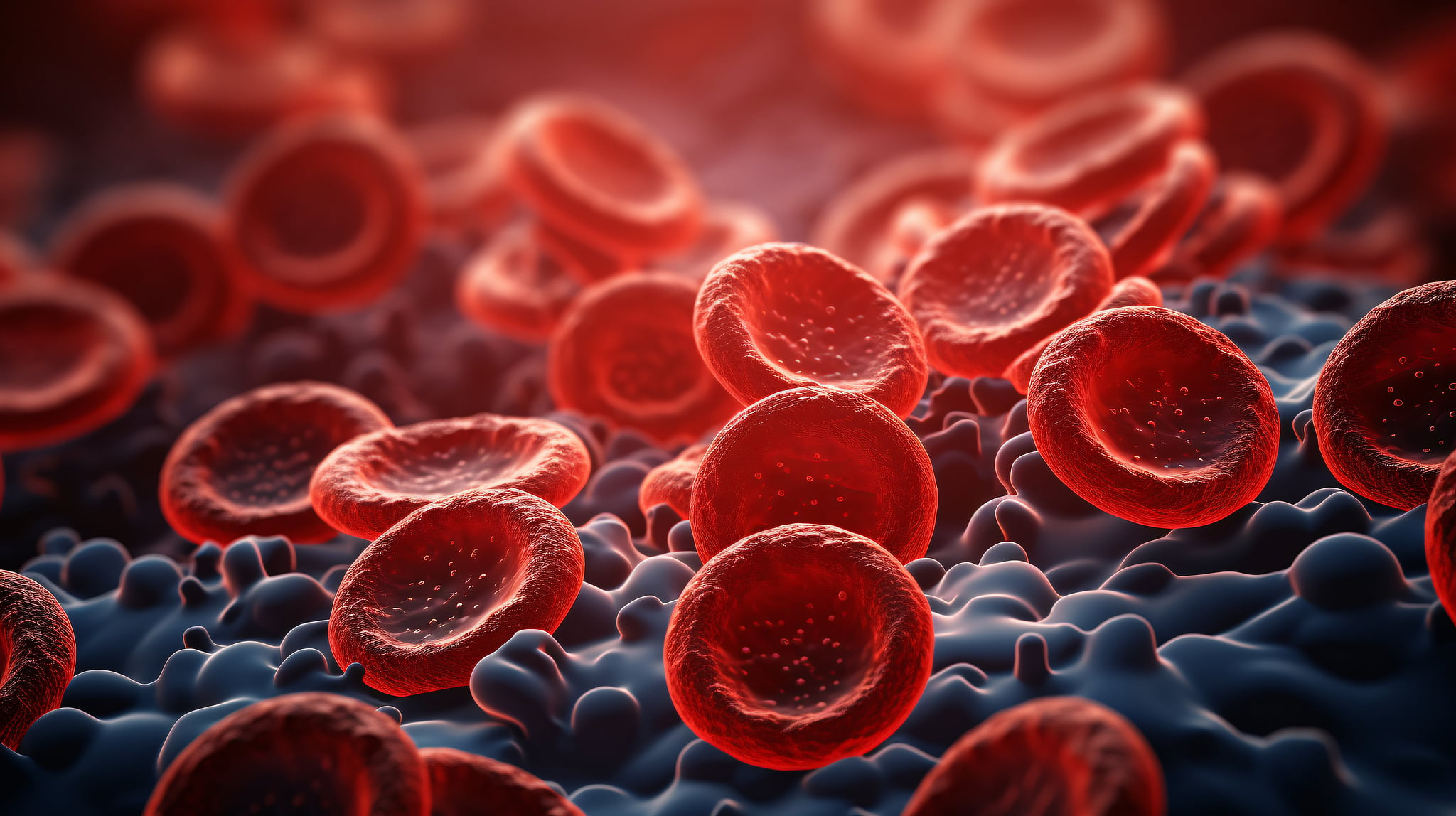
What the spatial atlas found inside the yolk sac was not a single unified origin for blood, but two. One region produces the precursors to the immune system, the earliest ancestors of the white blood cells that will eventually defend the body against infection. The other produces early red blood cells, the oxygen-carrying cells that tissues require from the first moments of circulation, and the precursors to platelets, which control bleeding. Two distinct blood lineages running simultaneously, before the embryo has set its own body plan.
Lan Yu, a researcher at the institute who contributed to the study, said the findings could deepen understanding of early human development and help scientists cultivate blood cells in laboratory conditions. Growing functional blood cells outside the body has been a persistent challenge for regenerative medicine. What the spatial atlas now provides are the molecular cues the process depends on at the very beginning: which genes are active, in which structural environment, and in what spatial relationship to one another.
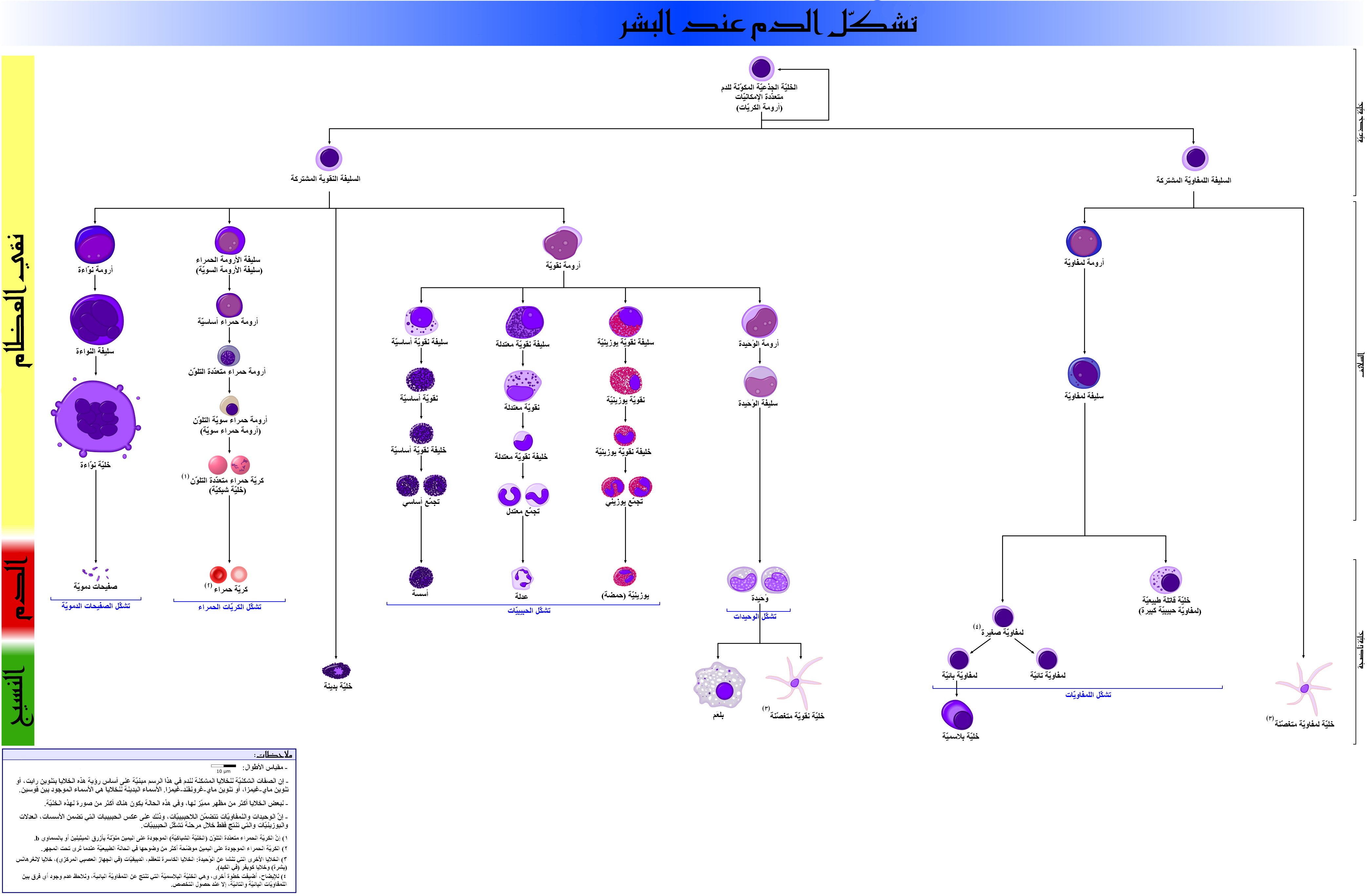
The clinical implications extend further. Blood disorders, including sickle cell disease, thalassaemia, and certain forms of childhood leukaemia, are understood to originate in the earliest stages of blood cell development. If those stages now reach back to the pre-gastrulation yolk sac, the disruption that initiates these conditions may occur earlier, and in a structure that current research models do not specifically examine. Efforts to develop interventions working across the earliest blood development stages, including work toward a universal malaria vaccine targeting conserved antigens at the blood stage, rely on precisely the kind of foundational mapping this study provides.
What makes the finding structurally unusual is that the origin it identifies lies outside the embryo itself. The yolk sac is not part of the embryo in the way the liver or bone marrow will later be. It is a separate and temporary structure that will eventually degrade as the placenta assumes the role of nourishing the developing child. That blood production begins here, in a temporary external structure rather than in the embryo’s own tissues, has implications for how developmental biologists model the relationship between the embryo and its supporting structures in the earliest days after implantation.
The study’s most significant constraint is the one the researchers state plainly: the spatial atlas was built from a single human embryo. Pre-gastrulation human embryos are rare in research settings, and the technical demands of spatial transcriptomics at this developmental stage are significant. The two active zones identified in the yolk sac, the distinct cell populations each zone produces, and the gene-expression signatures that mark them all require confirmation in additional specimens before they can anchor clinical models or inform treatment approaches.
The research team published their full methodology and spatial data in the paper’s supplementary materials, giving other laboratories the technical basis to attempt replication. Whether the two-zone structure represents a universal feature of early human blood development, or whether it varies across genetic backgrounds or the conditions of early pregnancy, remains an open question.
Gastrulation has long served as the conceptual starting line of human development. The Nature study does not displace it. But it adds the yolk sac, and the period before gastrulation begins, to the stages of development where the blood system’s story starts, as CGTN reported when the paper appeared online Thursday.