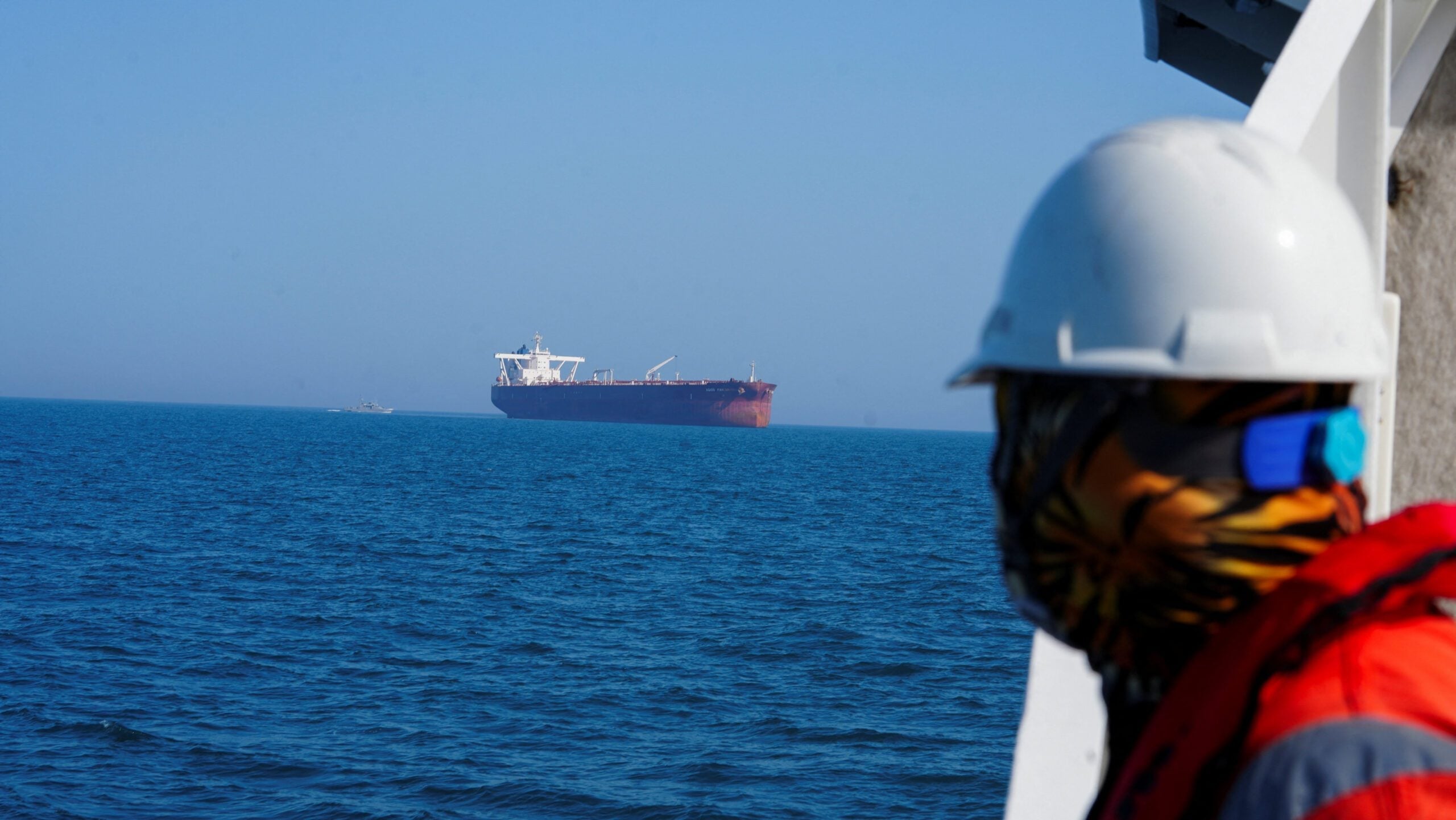

DUBAI – On June 27, Iranian forces opened fire on commercial vessels transiting the Strait of Hormuz. The United States responded the same day with airstrikes on Iranian coastal radar installations and military positions on the northern shore. The exchange happened inside the 60-day window established by the Islamabad MoU, a window during which both governments had nominally agreed not to escalate.
That incident is one of 49 documented by the International Maritime Organization since the conflict began. Fourteen seafarers have been killed. More than 40 vessels have been attacked in the strait or its approaches. And yet on June 30, Kpler’s vessel-tracking data showed 34 commercial crossings, a figure representing near-normal traffic for a waterway that moves roughly 20 percent of the world’s seaborne oil.
The Doha talks that concluded Wednesday produced a narrow new commitment: a one-week de-escalation understanding specifically addressing Hormuz transit. Iranian and American negotiators did not resolve the toll question, the nuclear access file, or the broader sovereignty dispute over the waterway. What they agreed was a week’s worth of operational restraint, enough to hold the 34 daily crossings in place while the next round is scheduled.
The contradiction the Kpler data surfaces is structural. The Strait of Hormuz is simultaneously functioning as a major commercial waterway and operating as a contested military space. Insurance underwriters have not reconciled that contradiction. Lloyd’s of London and the joint war committees still classify the strait as a warlike operations area, a designation that attaches an elevated war-risk premium to every vessel transit regardless of what the Doha communique says. That premium, measured in hundreds of thousands of dollars per voyage, will not come down until the underwriting market decides the political resolution is durable rather than interim.
The June 27 exchange illustrated how thin that durability is. Iran’s action targeted vessels that had not paid the IRGC’s corridor fee, according to maritime shipping monitors. The US retaliation struck Iranian coastal radar infrastructure, systems that the IRGC uses to track and direct vessels through the northern-shore corridor it has operated since mid-March. The exchange stopped short of broader escalation, but the pattern it represents is what the Doha de-escalation commitment is trying to interrupt: an operational enforcement mechanism that Iran runs independently of the diplomatic calendar.
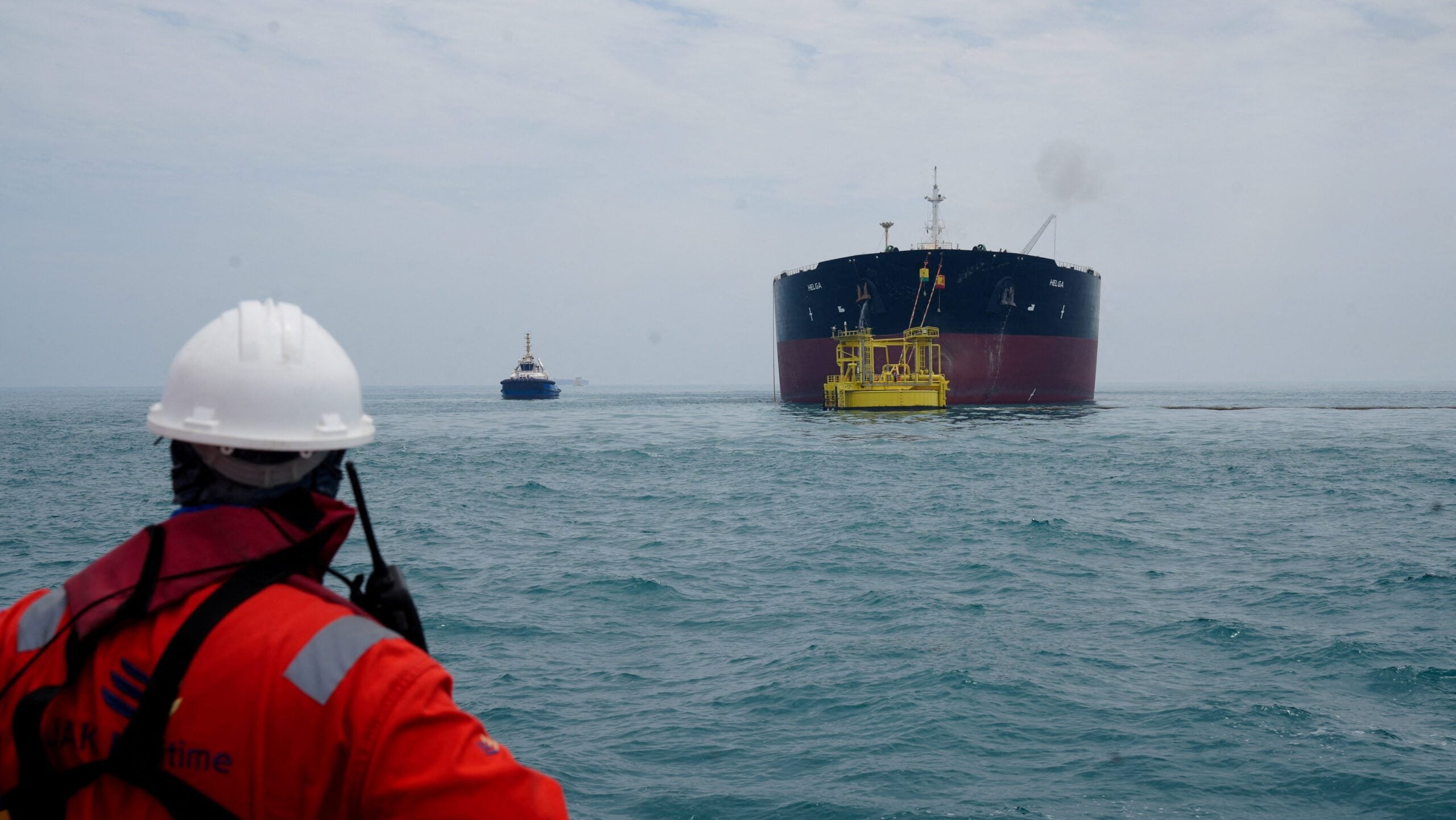
The IRGC has been insisting since the corridor went live that vessels use Iranian territorial waters on the northern shore rather than the southern Omani route. That insistence is not optional from the IRGC’s standpoint. The corridor is how Iran creates the data record of functional Hormuz administration it intends to present as evidence when the final agreement is negotiated. Vessels that bypass the corridor directive and transit via the southern route have been the primary targets of the incidents the IMO has logged.
The one-week de-escalation window is not a resolution. It is a circuit breaker inserted into a situation where both sides have incentives to avoid confrontation during the diplomatic window and competing incentives to establish facts on the water before the August 21 deadline. Iran’s corridor generates revenue and sovereignty data simultaneously. The IRGC’s enforcement of it generates incidents. The MoU’s no-charge language asks Iran to suspend the revenue collection while the enforcement continues.
What Doha produced, in practice, was an agreement to hold that contradiction in place for another week rather than letting it resolve through escalation. Radio Free Europe/Radio Liberty reported this week that 14 seafarers have been killed and more than 40 vessels attacked since the conflict began, figures representing the human cost of the containment strategy both sides are running. The Islamabad MoU does not mention them. Neither did the Doha communique.
The corridor Iran built with Oman is operating and accumulating the transit data Tehran intends to cite as evidence of functional Hormuz administration. Iran’s parliament is simultaneously moving a toll bill designed to convert that operational reality into statute before August 21. The Doha round’s one-week de-escalation commitment bought time. It did not change the physical environment those 34 ships are transiting.
Whether that traffic level can be sustained through the remaining 45 days of the MoU window depends on whether the de-escalation understanding holds past its one-week limit and on whether the Doha parties can schedule a round with enough authority to address the IRGC enforcement mechanism directly. The next round has not been scheduled. The burial of Ayatollah Ali Khamenei, which will not conclude until July 9, has paused the diplomatic track. Seven days in which the IRGC continues to operate the corridor are seven more days in which the incident count rises. The 34 crossings on June 30 are real. Business Standard reported that neither side at Doha said whether they had managed to bridge any of their differences on Hormuz. The 49 incidents and the 14 dead are real too.