

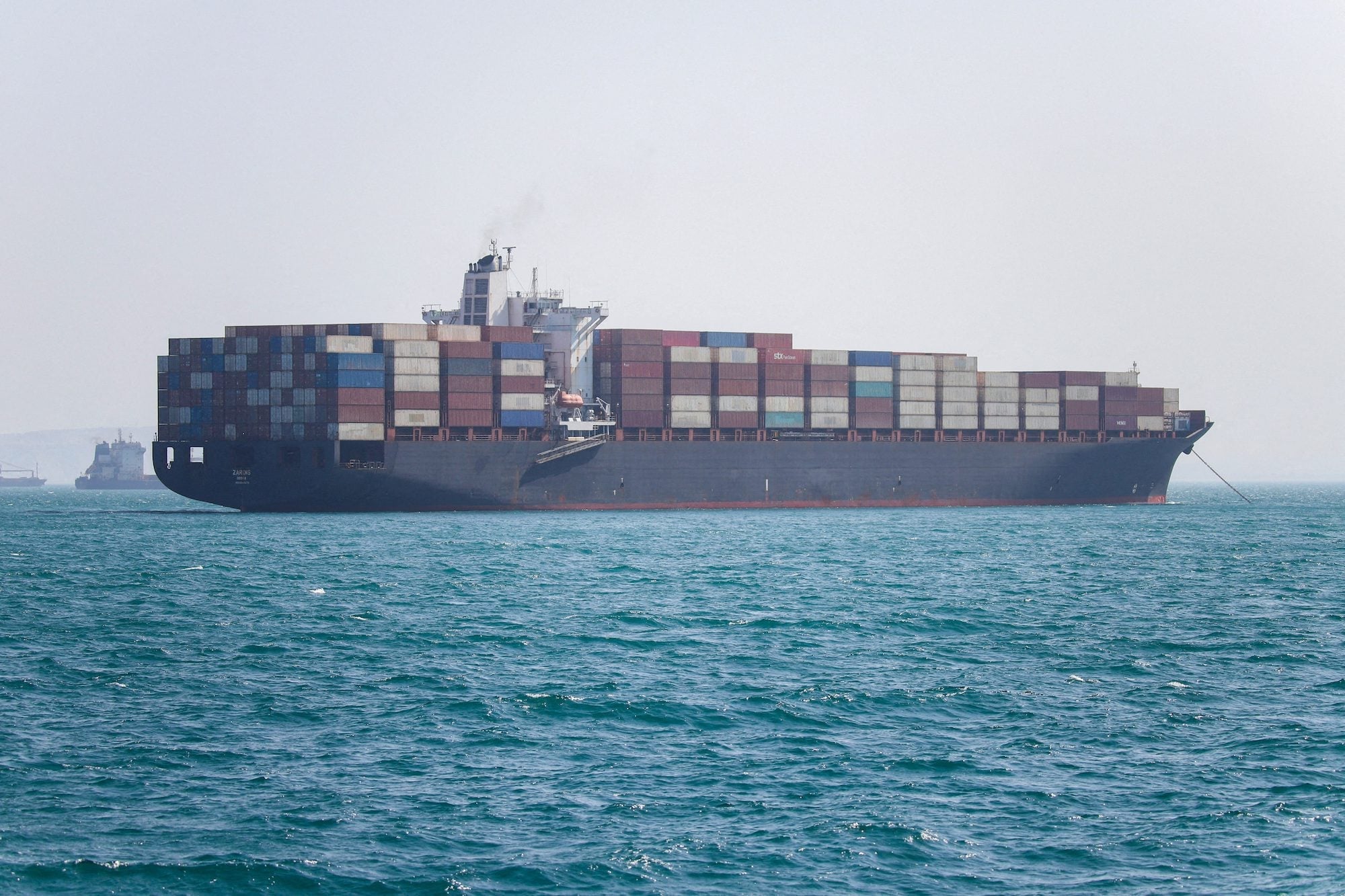

DUBAI – Eight thousand seafarers are stranded inside the Gulf, waiting. The problem is not a diplomatic one. The Islamabad MoU established two temporary corridors through the Strait of Hormuz on June 17. The Doha talks this week addressed the toll question and the broader Hormuz framework. What neither the MoU nor the Doha talks have yet produced is mine clearance in the Traffic Separation Scheme – the central shipping channel through which roughly 130 vessels transited daily before the conflict. That channel is unusable. The mines are still there.
The scale of the blockage matters. Before the conflict began, the TSS handled approximately 130 vessel transits each day – about one-fifth of global oil and liquefied natural gas supply moving through a single maritime choke point. The two temporary corridors now in operation can accommodate up to 80 vessels daily under round-the-clock conditions, according to shipping analysts cited by AGBI. Actual throughput has been running far below that: 22 transits on June 18, 19 on June 19, 28 on June 20. Eighty mines are reported to be blocking the primary route ahead of any formal reopening.
The memorandum assigns Iran primary responsibility for de-mining operations. The tanker owners’ association INTERTANKO confirmed, as gCaptain reported, that mine clearance has not officially begun. France has offered support for de-mining operations, though maritime sources told AGBI that clearance cannot commence until a “sustained de-escalation of hostilities is secured.” That phrase – sustained de-escalation – is undefined. The Doha talks did not produce a definition.
The gap between the diplomatic timeline and the physical one is structural. Diplomats in Doha can agree on a framework for reopening the strait. What they cannot do is remove the mines. That requires specialized vessels, trained crews, and weeks of systematic work even after clearance begins. A deal reached on August 21 – the MoU’s expiry date – does not translate into a functional TSS on August 22. The stranded seafarers, the tankers waiting in anchorage, and the insurers who still classify the Hormuz as a warlike operations area are operating on the physical timeline, not the diplomatic one.
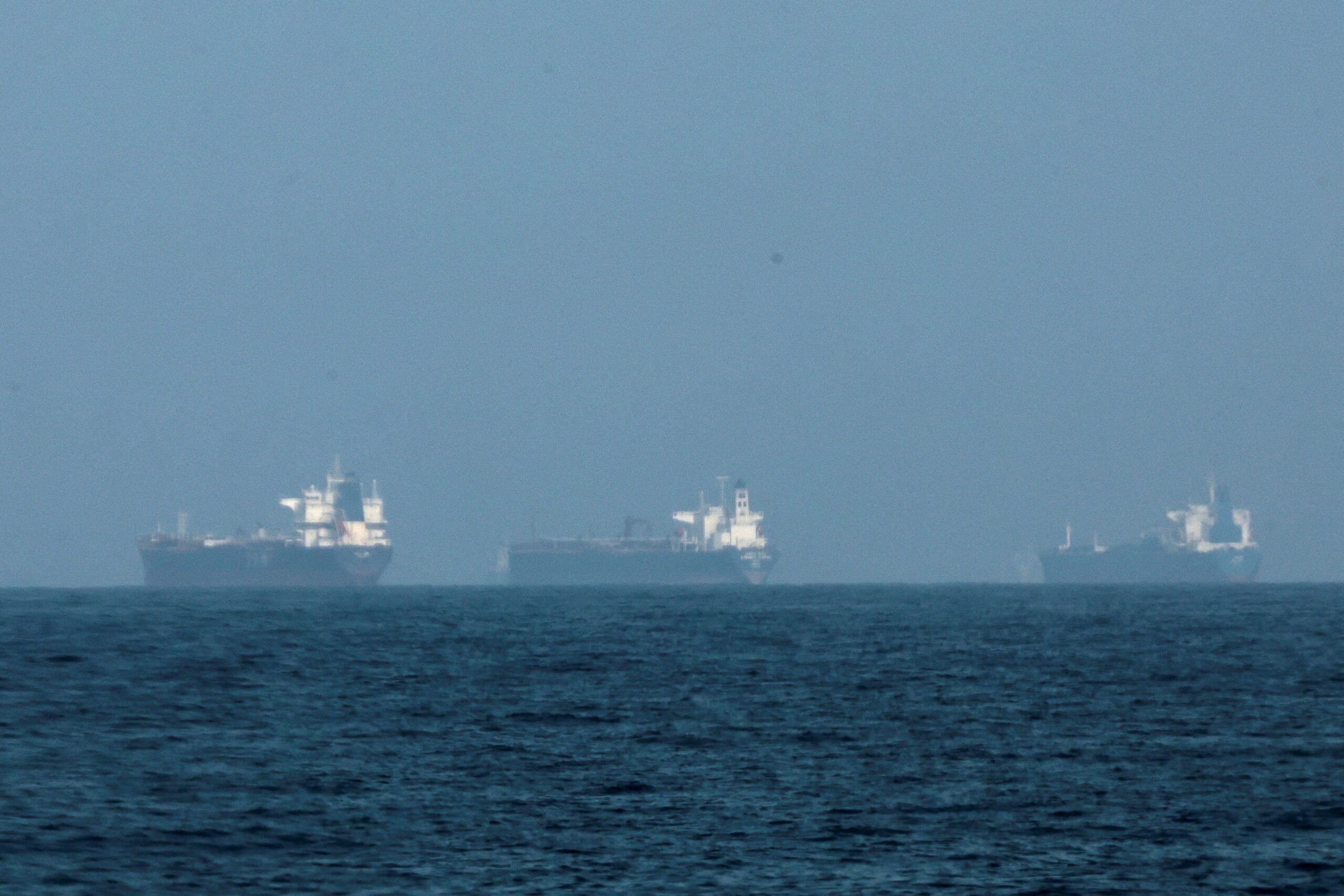
The dual corridor regime that has replaced the TSS adds its own complication. Fourteen seafarers have already died in transit incidents since the corridors opened. Iran’s northern corridor is operated by the Persian Gulf Strait Authority, a newly established Iranian maritime administration body. INTERTANKO documented that on the night of June 18-19, Iran called several ships to state that they did not have permission to transit – an assertion of control that goes beyond corridor management and into permission-based sovereignty over the waterway. The US-backed southern corridor operates under different terms, offering passage free of what the US describes as “arbitrary requirement claims.” Ships choosing between the two corridors are, in practice, choosing between two competing claims of maritime authority.
The Oman-anchored corridor arrangement has given Iran a daily transit record it can cite as evidence of functional maritime administration. Each convoy that passes through the northern route under PGSA authority is a data point Iran will present in negotiations as proof that its framework works. The diplomatic and operational tracks are not independent. Every transit through the northern corridor strengthens Iran’s claim that its administration of the strait should be formalized, not dismantled, in any final agreement.
The mine clearance question is where these tracks converge. Until the TSS is cleared, the temporary corridor system – with its permission requirements, its capacity constraints, its competing sovereignty claims – remains the de facto state of the strait. A deal that does not include a specific, timed, verifiable mine clearance plan does not reopen Hormuz; it ratifies the current arrangement while calling it something else. Iran’s primary responsibility under the MoU for de-mining has not translated into action. Whether that delay is logistical, political, or a form of leverage is not yet clear. What is clear is that 38 days remain before the MoU expires and the TSS is not one day closer to being cleared than it was when the agreement was signed.













