
NEW YORK — Being referred for a kidney transplant is supposed to mark the beginning of a patient’s path out of dialysis. For nearly half the people who received such a referral in the United States over the past decade, it turned out to be where the path ended.
A new study from NYU Langone Health, published in the Journal of the American Society of Nephrology, analyzed records from 720,348 patients referred for kidney transplantation between 2014 and 2025 at institutions representing roughly a third of American transplant centers. It found that 48 percent of those patients never initiated the formal evaluation process. Only 19 percent completed evaluation and secured a place on the waitlist. The researchers call it the largest study ever conducted on pre-waitlist dropout rates in kidney transplantation.
The finding reframes how the organ shortage crisis is usually described. The standard account focuses on the scarcity of donated kidneys and the thousands of people waiting for one. Conor Donnelly, the study’s lead author and a physician at NYU Langone, argues that framing misses a more fundamental problem. “Which transplant center you go to, where you live, and even whether you are married all appear to influence your chances,” he said. The shortage does not begin with the supply of organs. It begins before many patients have even been assessed for whether they qualify.
The disparities the study mapped cross demographic and geographic lines simultaneously. Unmarried individuals were less likely to complete the evaluation process, a finding the researchers associate with the caregiving demands transplantation places on patients and their households. Severe obesity reduced the likelihood of completing evaluation, as did living in a rural area, being an older adult, or speaking Spanish as a primary language. Patients at smaller transplant centers and those in the American South showed lower completion rates. Each of these factors is already a marker of disadvantage in the broader American healthcare system; in kidney transplantation, their effects compound.
The evaluation process itself helps explain the pattern. Getting onto the kidney transplant waiting list is not a single appointment but a sustained sequence of them: cardiology clearances, infectious disease screenings, psychosocial assessments, insurance verification, and often repeated laboratory work across weeks or months. For a patient managing kidney failure on dialysis while holding a job and traveling a significant distance to a transplant center, that sequence demands resources and time that are not equally distributed. Allan Massie, a co-senior author on the study, offered what he framed as a practical starting point: “Providing patients with better education and support to help them navigate the complex and sometimes grueling process would be a good start.”
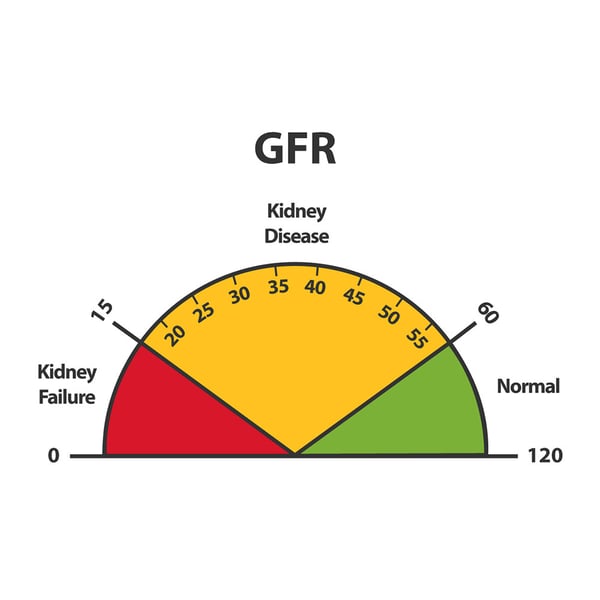
The clinical stakes of the dropout rate are measured in years. According to the National Institute of Diabetes and Digestive and Kidney Diseases, more than 37 million Americans live with chronic kidney disease, and kidney failure represents the terminal stage of that condition for a significant fraction of that population. Dialysis keeps patients alive but requires multiple sessions per week, carries elevated risks of infection and cardiovascular complications, and for most patients is a bridge rather than a permanent destination. A functioning transplant typically extends life expectancy by a decade or more beyond what dialysis can provide.
The study’s scale allowed the researchers to examine pre-waitlist behavior in ways that smaller investigations had not been able to capture. Patient records came from Epic Cosmos, a database aggregating more than 300 million electronic health records across 1,850 hospitals, including roughly a third of American transplant centers. Patients who fall out of the evaluation pipeline before reaching the waitlist leave thin traces in traditional transplant tracking systems. Epic Cosmos recorded the referral and the evaluation outcome together, making the dropout visible at population scale for the first time.
What the data cannot yet explain is why each factor operates the way it does. The correlations are documented; the mechanisms are not. Whether Spanish-speaking patients face communication barriers, logistical obstacles, or insurance-related gaps at higher rates, or whether a smaller transplant center is disadvantaged by its own resources or by the demographics of its surrounding catchment, requires a different kind of investigation. Donnelly described the hope that transplant centers would use the findings to examine where in their own evaluation pipelines patients are being lost.
The dropout pattern has parallels in other healthcare settings where serious conditions require navigating extended institutional processes. When Ontario extended colorectal cancer screening to people aged 45 earlier this month, health system observers immediately raised questions about whether capacity exists to absorb the newly referred and whether the patients most at risk would find their way through the additional steps a positive test requires. In transplantation, the access gap has been accumulating for years without systematic measurement at this scale.
The organ shortage has for decades driven research into alternatives: improvements in dialysis technology, xenotransplantation from genetically modified animals, and therapies targeting conditions once considered uniformly fatal. Advances like precision immune therapies for high-mortality diseases are generating early preclinical promise across medicine. But the NYU Langone study makes a different kind of argument: that even within the existing supply of transplantable organs, the system is not connecting patients to what is already available.
Data from the Organ Procurement and Transplantation Network shows more than 90,000 Americans are currently on the kidney transplant waiting list. The NYU Langone study did not examine that number. It examined the much larger, much less visible population who were referred and never arrived.