
WASHINGTON – The question is no longer whether the United States intends to build a permanent base on the Moon. The question, settled quietly last Monday with three contract signings worth nearly $600 million, is who will carry the bricks there.
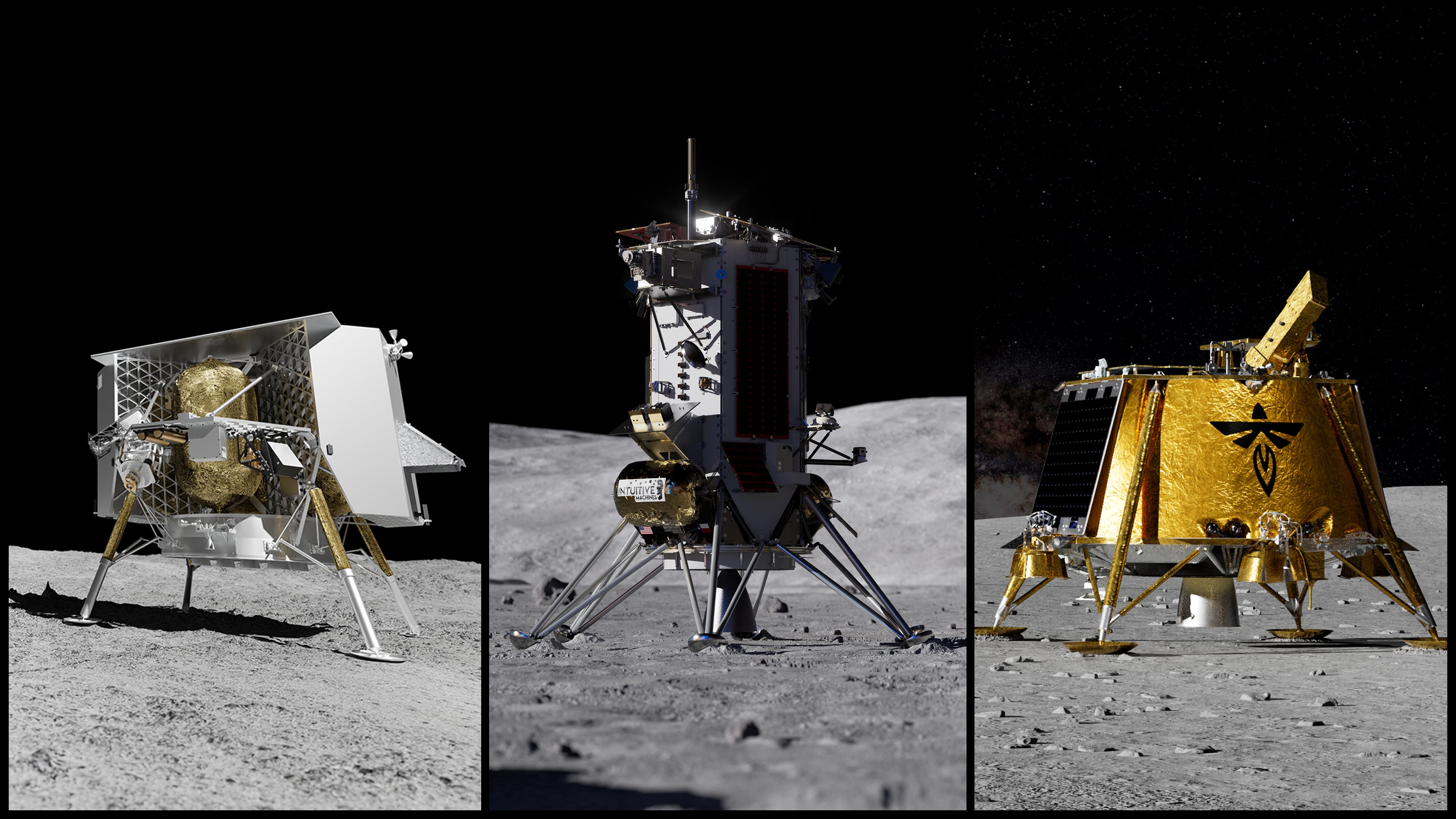
NASA awarded new agreements to Astrobotic Technology, Firefly Aerospace, and Intuitive Machines on June 30 for commercial lunar landers designed to ship cargo and scientific instruments to the Moon’s south pole beginning in late 2028. The awards represent the latest tranche of a program NASA Administrator Jared Isaacman has called the most consequential expansion of American space operations since Apollo, one that now faces a race against time, an accelerating Chinese deadline, and an open question about whether one of the three winning companies can actually land on the Moon.
The contracts break down as: $297.9 million to Pennsylvania-based Astrobotic for two additional lander missions, $144.2 million to Texas-based Firefly Aerospace, and $148.3 million to Texas-based Intuitive Machines. Together they raise NASA’s total investment in commercial lunar hardware above $1 billion across the three firms, part of the broader Commercial Lunar Payload Services program now valued at $4.2 billion.
The lander contracts function as the companion piece to a separate round of awards announced last month, when NASA picked Blue Origin, Astrolab, and Lunar Outpost to build the rovers, surface drones, and exploration vehicles that would operate from a permanent outpost near the south pole. Without reliable landers to deliver those machines to the surface, the rover contracts are blueprints for hardware with nowhere to go.
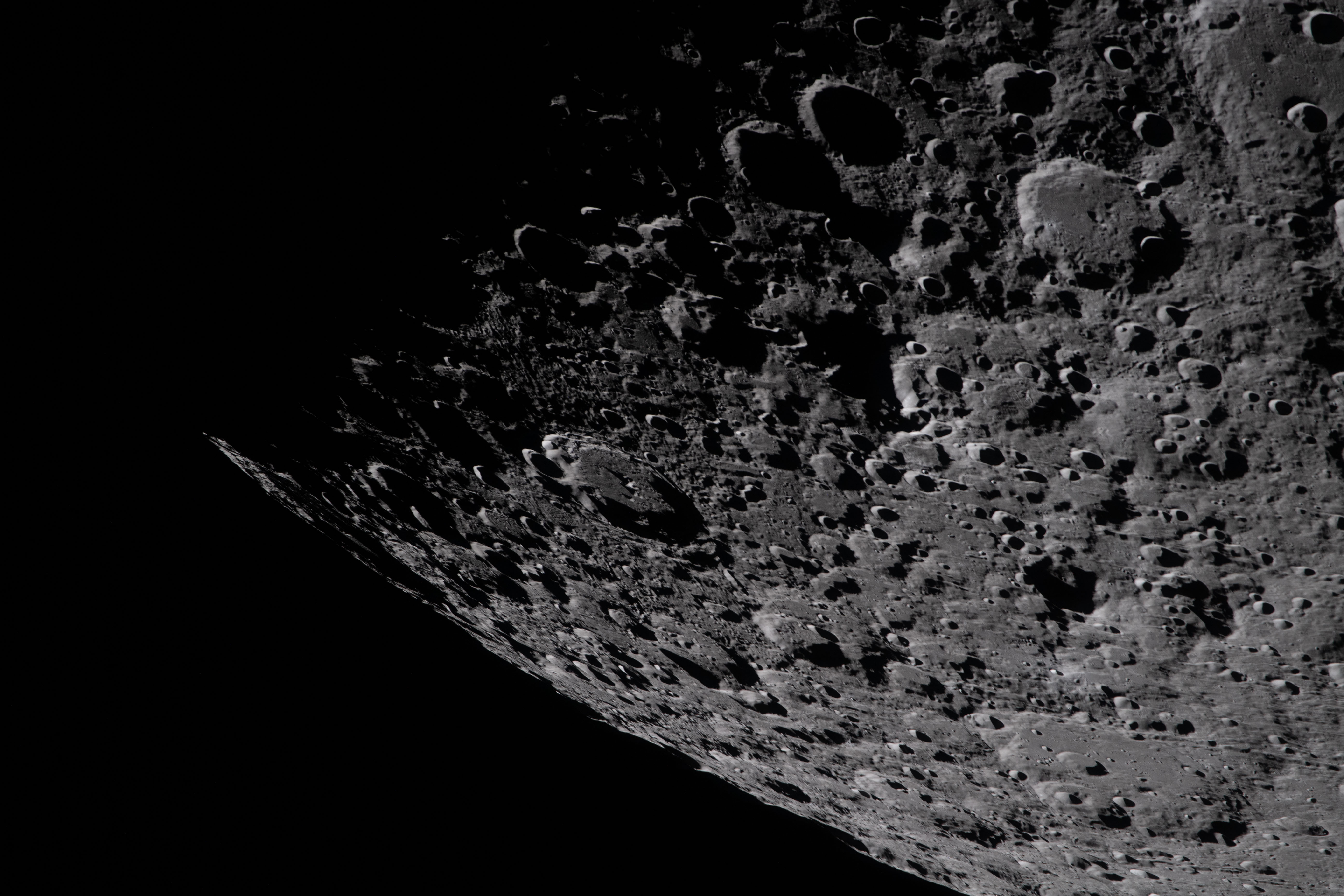
Lori Glaze, NASA’s associate administrator for human spaceflight, described the June 30 awards as a signal of the agency’s institutional commitment to the south pole site and to the water ice believed to sit inside its permanently shadowed craters. That ice, if accessible and extractable, could be processed into rocket fuel and drinking water, making sustained human habitation economically viable in a way no previous lunar program managed. “These awards demonstrate our commitment to accelerating our effort to build a long-term presence on the lunar surface,” Glaze said, NBC News reported.
The urgency driving the push is not purely scientific. China has moved aggressively toward the same destination. As this outlet reported last month, a growing number of space-investment analysts believe Beijing is now positioned to reach the lunar south pole before the United States, with a centralized, state-directed program that has executed missions at a pace and consistency Washington has not matched. The new contracts are partly a response to that gap.
The complication that none of the June 30 announcements addressed directly is Astrobotic’s track record. The company received the single largest award of $297.9 million despite the fact that its Peregrine Mission 1 lander developed a propellant leak shortly after launch in January 2024, never reached the Moon, and burned up on reentry into Earth’s atmosphere. Astrobotic attributed the failure to a faulty valve and says it has since redesigned the relevant systems. Whether that redesign is adequate will not be known until the next mission flies. No independent body has verified the claim, and NASA has not publicly addressed it in conjunction with the new award.
Isaacman, who took over NASA leadership this year after a career as a commercial astronaut, introduced an unexpected proposal into the June 30 announcement: repurposing a Mars rover test unit called “Promise” for lunar exploration at the south pole. He said the vehicle, currently in development for use on the red planet, could be outfitted with different instruments and redirected to the Moon, a move that would allow the agency to move faster by adapting existing hardware rather than commissioning a dedicated lunar rover from scratch. He did not specify a cost for the change, a formal mission timeline, or whether the proposal had received approval inside the agency.
What NASA did make clear is that the $20 billion allocated for the broader Moon base initiative, a seven-year commitment spanning infrastructure development, crewed lander contracts, life support research, and surface operations, remains intact. Congressional pressure on the agency’s overall budget has not touched the moon base line, which the White House has framed as a national security and space-competition priority rather than a discretionary science program.
The three companies receiving contracts on June 30 carry uneven records. Intuitive Machines’ IM-1 mission successfully landed on the Moon in February 2024, the first American spacecraft to touch down on the lunar surface in 52 years, though it tipped sideways on arrival, limiting the operations of several onboard instruments. Firefly’s Blue Ghost lander completed a more straightforward surface mission earlier this year. Astrobotic has attempted one lunar landing and did not complete it.
What the contracts cannot settle is whether late 2028 is a genuine delivery date or an aspirational target in a program with a history of schedule movement. Of the four commercial lunar landing attempts since 2024, two succeeded in some measure, one tipped on arrival, and one never reached the Moon at all. The awards signed on Monday are an acceleration in the sense that money is flowing and obligations are recorded. Whether Astrobotic’s second attempt at the Moon resolves differently from its first, and whether all three companies’ landers are ready when NASA needs them, remains an open question that no contract can answer in advance.