
LINCOLN, Neb. — On June 26, the Tax Relief Nebraska campaign handed over 201,000 petition signatures to the Nebraska Secretary of State’s office. The threshold to force a November ballot vote was 127,000. If the signatures are certified by Thursday’s deadline, Nebraskans will decide in November whether to become the next state to legalize online sports betting — and whether $7 million in sportsbook industry money has bought itself a constitutional amendment.
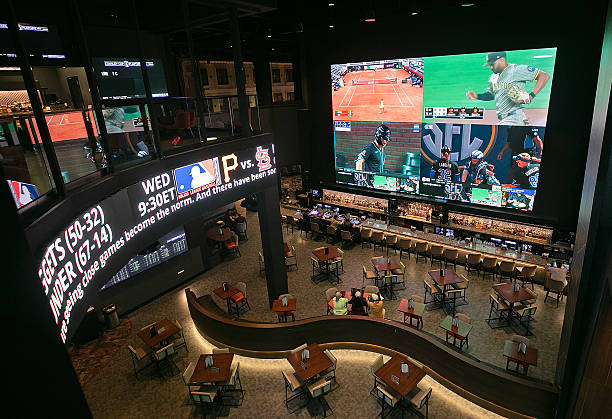
The campaign is backed by DraftKings, FanDuel, BetMGM, and Fanatics, the four dominant national sportsbook operators. Together they have invested more than $7 million in the signature-gathering effort. The Winnebago Tribe, which operates WarHorse Gaming Lincoln and WarHorse Casino Omaha, is also a formal supporter. The proposition they are asking Nebraskans to ratify is narrow in its text and sweeping in its consequence: a constitutional amendment that would allow online sports wagering in a state where, as of today, placing a bet requires driving to one of five racetrack casinos in person.
The campaign’s branding is not accidental. It is called Tax Relief Nebraska, not Online Gambling Nebraska. Seventy percent of state tax revenue from sports betting would be dedicated to property tax relief, mirroring the allocation structure that governs Nebraska’s existing casino tax. Supporters project the online market would generate approximately $87 million in state tax revenue within five years. The current retail sports betting operation, in place since 2020, has generated less than $4 million in total tax revenue through April of this year — a number the industry attributes entirely to the friction of in-person-only wagering.
The Nebraska Family Alliance does not find the math persuasive. “To tell voters this is about tax relief, when the proposal is actually a major expansion of online gambling financed by out-of-state gambling companies, is a complete sham,” said Nate Grasz, the group’s director. The Alliance’s objection is not primarily fiscal. It is structural: Grasz and his allies argue that the initiative’s framing deliberately obscures the expansion of gambling access behind a property tax relief narrative that, in their telling, was designed in a marketing office before it was designed as policy.
Neither side is wrong on the facts. The tax allocation to property relief is real. The funding source is also real: four companies whose entire business model depends on Nebraska residents betting on their phones provided the money to put this question on the ballot. What voters will decide in November is not just whether they want online sports betting — it is whether the mechanism by which this question reached the ballot changes how they evaluate the policy itself.
Nebraska’s constitution requires a simple majority for a constitutional amendment to pass. The campaign’s internal polling has not been made public. The Secretary of State’s office has until July 3 to certify or reject the submitted signatures. A rejection at that stage — which would require the office to find that fewer than 127,000 of the 201,000 submitted signatures are valid — would effectively kill the November measure without any public vote.
The campaign’s structural decision to seek a constitutional amendment rather than ordinary legislation is worth noting. Constitutional amendments in Nebraska are harder to reverse than statutes. If the measure passes in November, the legislature cannot simply repeal it in a future session; any modification would require another statewide vote. The sportsbooks’ willingness to spend $7 million on a ballot initiative rather than lobbying a legislature reflects an accurate read of the risk calculus: legislative victories in gambling expansion can be undone by future legislative sessions, while a constitutional amendment is durable in a way that ordinary law is not.
Nebraska joins a wave of states where the online sports betting frontier is being contested through ballot initiatives and court fights rather than conventional legislation. In the United Kingdom, regulatory action against bookmakers has intensified this year, with the Gambling Commission issuing a £900,000 fine against Betfred in June for social responsibility failures. The American trajectory is moving in the opposite direction: market expansion is outrunning the regulatory apparatus that is supposed to accompany it. New Jersey is simultaneously preparing a Supreme Court petition over prediction markets operator Kalshi, a dispute that will ultimately define whether event-contract betting platforms are subject to the same state-level regulation as traditional sportsbooks.
What the Nebraska campaign has not addressed publicly is the failure mode. Retail sports betting’s $4 million in cumulative tax revenue — against the $87 million five-year online projection — implies an approximately 20-fold increase in wagering volume if online access is added. The projection comes from the industry. No independent actuarial or economic analysis of that figure has been made public by the campaign or the state’s revenue department.
Secretary of State Robert Evnen’s office did not respond to a request for comment on the certification timeline. Whether the 201,000 signatures hold under review is the immediate question. What Nebraskans do with the ballot measure, if it reaches them, is the one the sportsbooks have already decided is worth $7 million to find out.