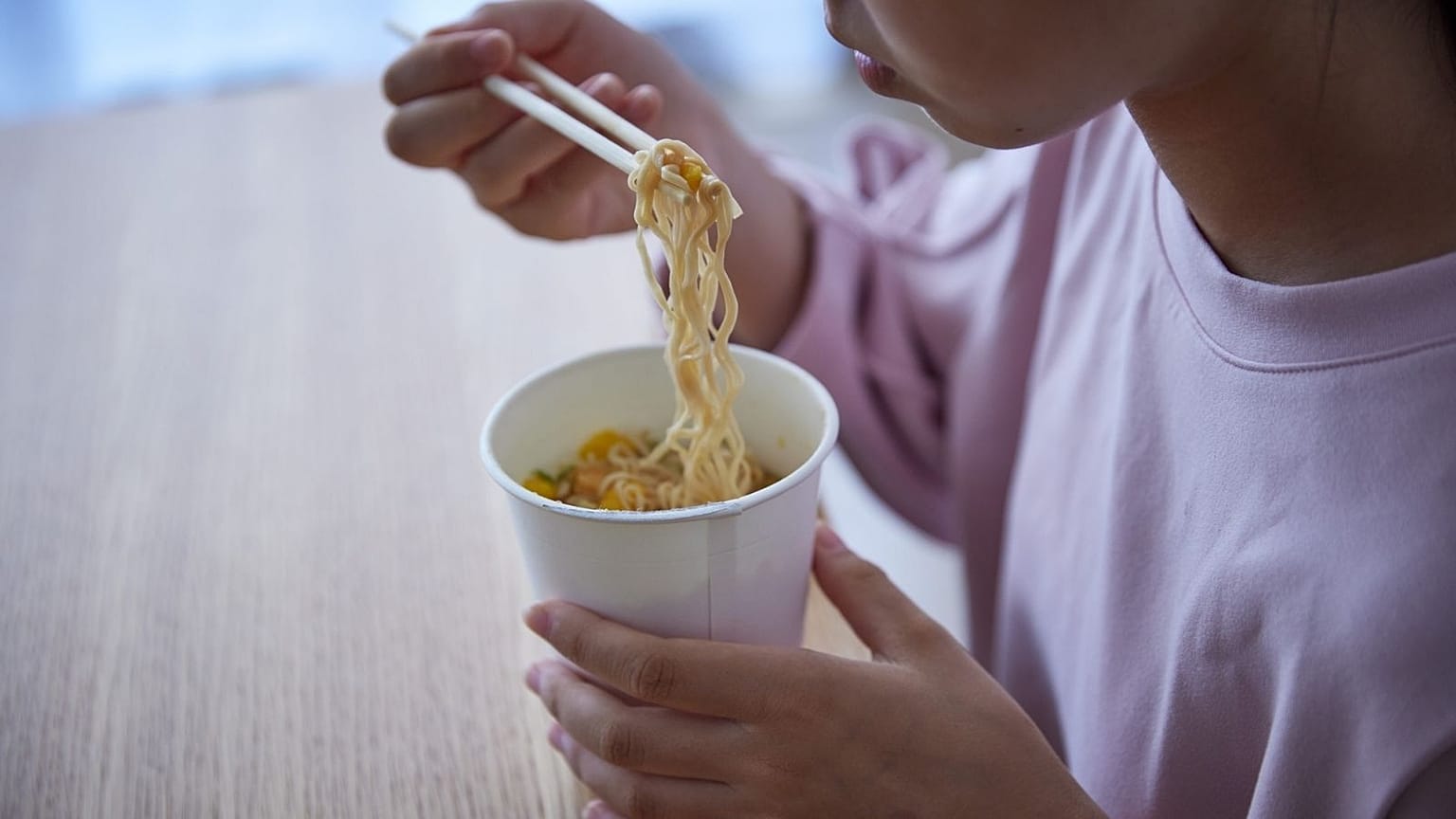

BRUSSELS — By the time health officials in fourteen countries began comparing case reports, the connecting thread was something found in nearly every European kitchen: a packet of flavoured instant noodles. At least 106 people have been confirmed sick across the continent, 49 of them hospitalized, with a Salmonella strain that European food safety authorities have traced to a single Ukrainian manufacturer.
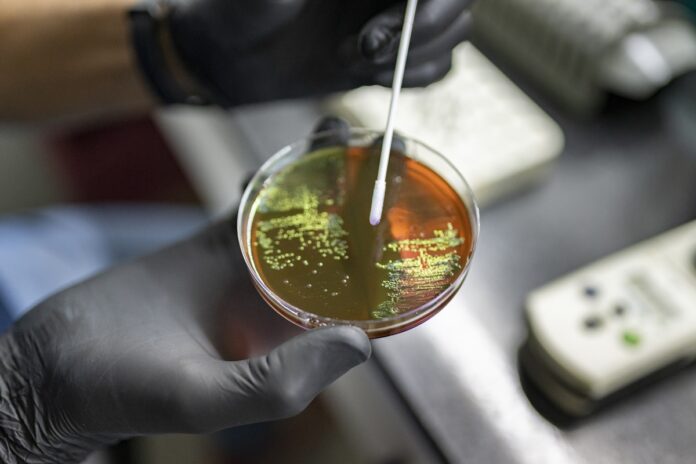
The European Centre for Disease Prevention and Control and the European Food Safety Authority confirmed Thursday that products made by Euro Food Service, sold under the Reeva Foods brand, are the most likely source of the outbreak. Both agencies identified Salmonella Stanley, a strain historically associated with food production environments, as the primary pathogen. “Flavoured noodle products are the most likely source of an ongoing multi-country outbreak,” the agencies said in a joint assessment.
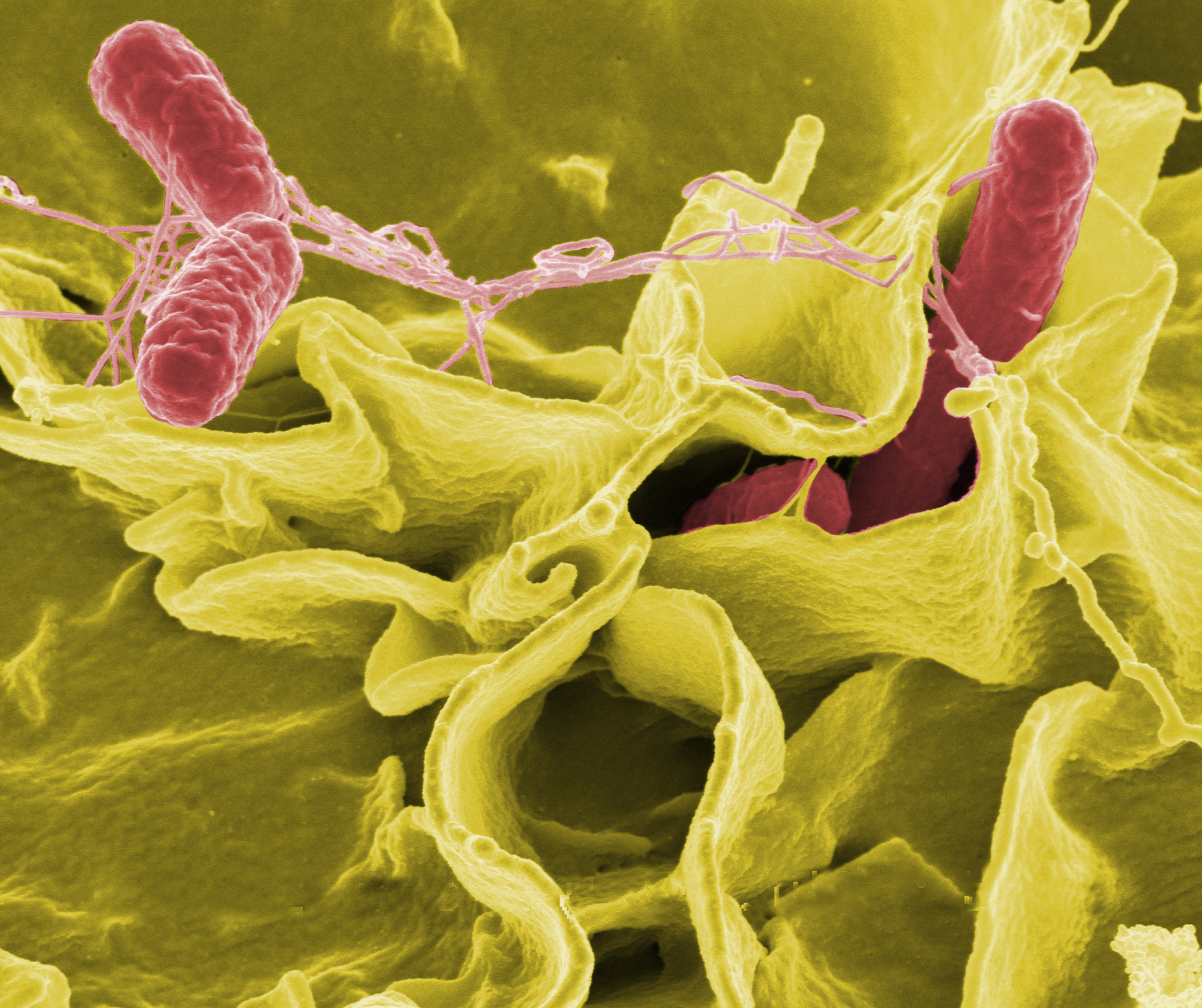
Salmonella Stanley causes fever, abdominal cramps, diarrhea, and vomiting, with symptoms typically appearing twelve to seventy-two hours after eating a contaminated meal. For most healthy adults, the illness resolves without medical intervention within a week. The pattern in this outbreak has been harder on younger patients. Cases have concentrated among children and young adults, and nearly half of those confirmed infected have required hospital care. A hospitalization rate approaching 50 percent is elevated for a foodborne illness that ordinarily resolves at home.
Outbreaks tied to contaminated processed food products have been a recurring feature of European food safety investigations for years, with contaminated eggs, chocolate, and dried herbs each generating major multi-country cases in the past decade. An event of this scale, confirmed across 14 countries with a child-heavy hospitalization rate, is significant by historical comparison. The wide distribution of a single Ukrainian brand across markets from Tallinn to London reflects how deeply integrated the continent’s food supply chains have become, and how quickly that integration can transmit a manufacturing problem across borders.
The outbreak spans Austria, Britain, Czechia, Denmark, Estonia, France, Germany, Hungary, Latvia, Lithuania, the Netherlands, Norway, Poland, and Sweden. That range, from the Baltic coast to Scandinavia and west into Central Europe, reflects how efficiently a contaminated packaged product travels through continental distribution networks before enough patients reach hospitals to make the pattern visible.
Reeva Foods addressed the situation with measured language. In a statement, the company described the problem as involving the “alleged detection” of Salmonella Stanley in batches distributed to Baltic markets, said it had withdrawn affected products, and confirmed that an internal investigation alongside independent laboratory testing was under way. “The safety of our consumers is our top priority,” the company said. The results of that independent testing have not been released, and the company did not clarify which product lines beyond Baltic distribution batches are under review.
What investigators have not yet established is how the bacteria entered the production process. The most common entry points in manufacturing outbreaks are contaminated raw ingredients, a compromised water supply used in food processing, and failures in facility hygiene and sanitation controls. Investigators are working through each of those possibilities. Until the contamination source is identified, the full extent of affected batches cannot be ruled out. The cross-border tracing approach used here mirrors the methodology European health authorities deployed last month when a hantavirus cluster was linked across 32 countries to a single cruise ship, coordinating national agencies around a shared exposure point.
For consumers in the 14 affected countries, public health agencies advise checking household stocks for Reeva Foods instant noodle products listed in national recall notices, discarding or returning them without tasting, and contacting a physician if fever, abdominal pain, or diarrhea developed within three days of eating the product. Children, older adults, and immunocompromised individuals face a heightened risk of serious complications from Salmonella infection and should seek medical attention promptly if any symptoms appear. Products should be treated as potentially unsafe regardless of whether packaging appears intact or the purchase predates the recall.
The outbreak was traced by the same pan-European surveillance network that identified the importation of an Ebola case into France earlier this year, a system built on the routine cross-border exchange of clinical case data between national health authorities. Pinpointing a single product line as the shared exposure source within weeks represents an efficient outcome for a distributed foodborne investigation spanning 14 countries. What the investigation has not yet produced is the answer that matters most: how Salmonella Stanley reached a consumer product that children across 14 countries were eating for lunch, and how long it may have been present before cases became visible enough to trace.
ECDC and EFSA said product recalls now in place “significantly reduce the likelihood” of additional cases, Euronews reported, but the agencies stopped short of declaring the outbreak contained. The investigation into Reeva Foods’ production environment, the supply chain that moved contaminated noodles across 14 borders before the illness pattern became visible, and the company’s quality controls remains active. The manufacturer has not disclosed what its independent testing found. How Salmonella Stanley entered the product line remains an open question.