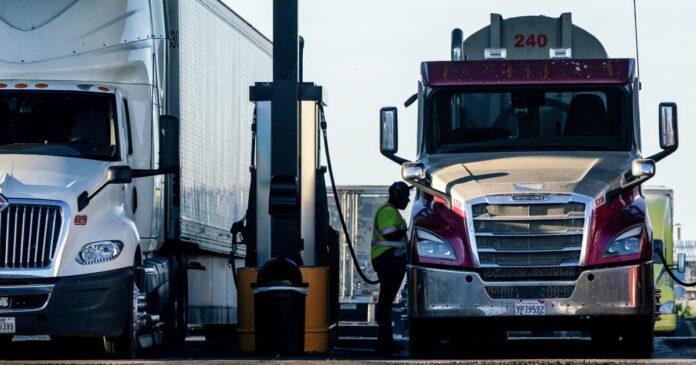

MOSCOW – Viktor Shkurenko has started fielding a question at his gas station in the Omsk region that he cannot answer well: why is fuel rationed here, hundreds of miles from anywhere a Ukrainian drone has struck. Nothing was bombed here, he tells customers, and still the pumps run dry most afternoons, because the shortage driving his rationing was never really local in the first place.
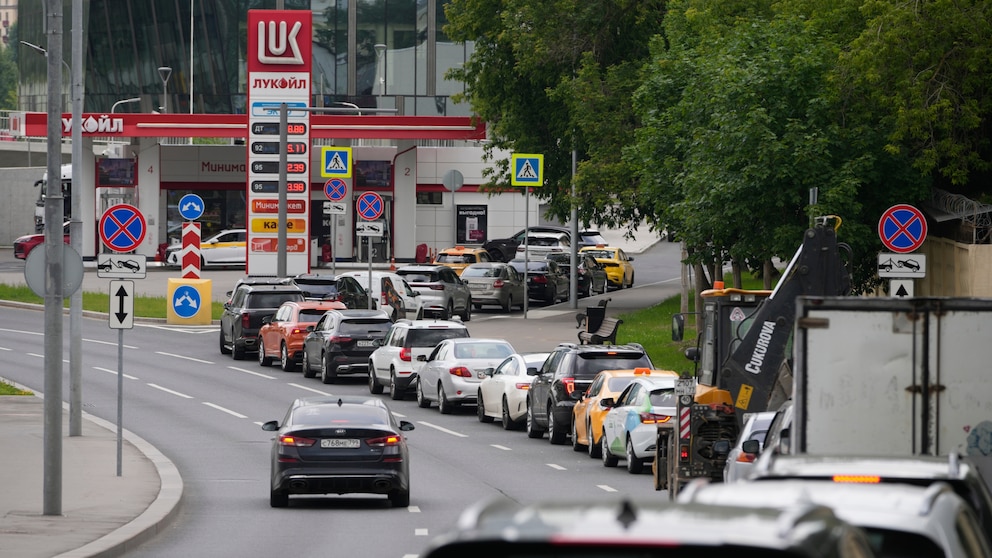
His station is one of thousands now operating under limits imposed across more than half of Russia’s regions, the visible edge of a fuel crisis that has turned a war fought mostly at the front and over refineries hundreds of miles away into something ordinary Russians now feel directly, at the pump, rather than on a map.
By the Associated Press’s own account, that marks a rare turn in a war now five years old. For most of it, the fighting has reached Russians through casualty counts and front-line dispatches rather than their own gas tanks; this summer, for what those covering the war describe as the first time, it has started arriving at the pump instead, one region’s rationing order at a time.
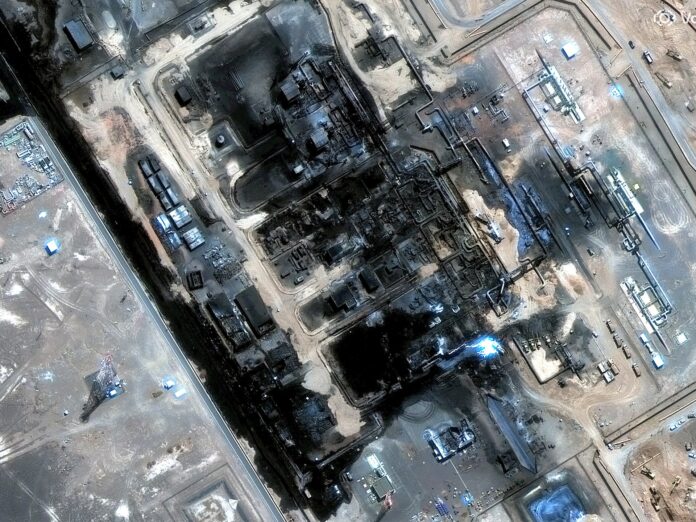
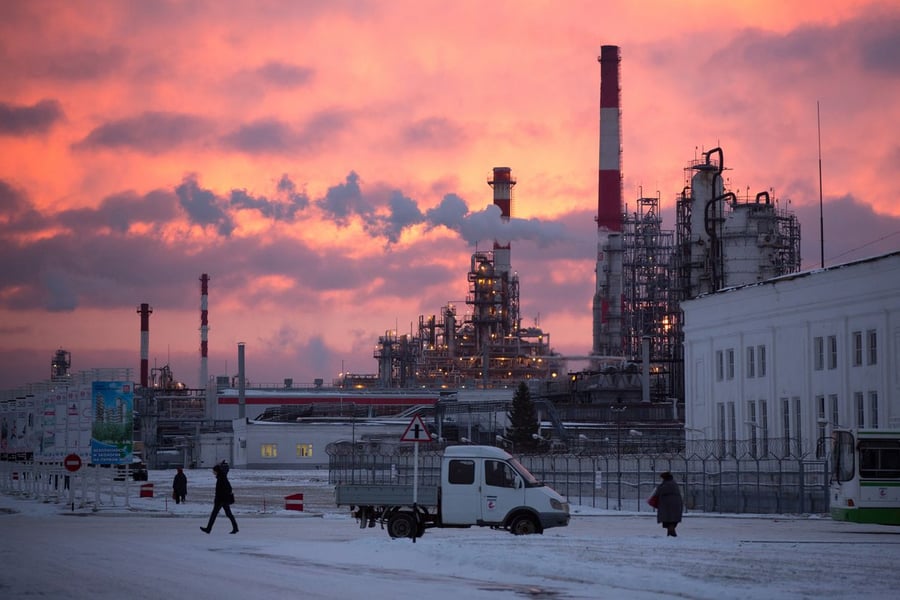
Crude processed into fuel across the country fell 25 percent in June from a year earlier, to 3.95 million barrels a day, the lowest level in more than two decades, and gasoline output dropped 17 percent, to 850,000 barrels a day from 1.03 million, according to figures reported this week. Roughly a third of Russia’s refining capacity is currently offline, and every refinery that goes dark forces the fuel that would have come from it onto a smaller and more contested supply chain.
Some regions have capped purchases at 40 liters a vehicle. In Irkutsk, the mayor’s office went further, arranging portable toilets for drivers who now spend hours in line, a detail that has circulated locally as shorthand for how ordinary the extraordinary has become in a matter of weeks.
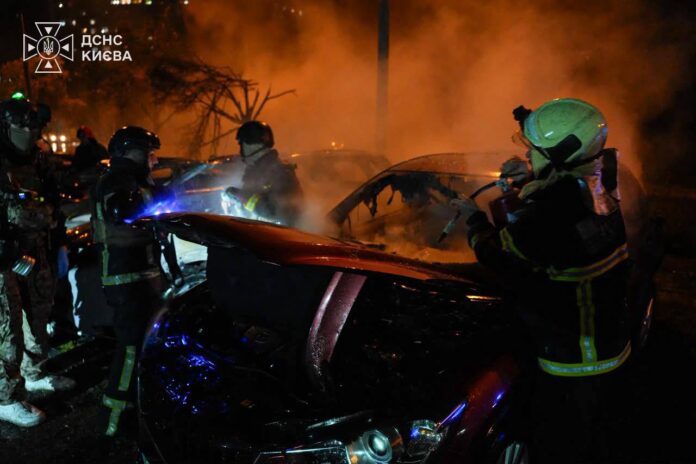
The latest blow landed on June 24, when a Ukrainian drone strike knocked out the CDU-5 processing unit at the Lukoil-Nizhegorodorgsintez refinery in Kstovo, Russia’s fourth-largest plant and its second-biggest gasoline producer, according to a separate account of the strike. The unit alone represents roughly a quarter of the plant’s output. Nizhny Novgorod Governor Gleb Nikitin said the strike killed two people, and the Saint Petersburg International Mercantile Exchange halted trading in the refinery’s diesel and gasoline shipments soon after, a sign of how quickly traders now price in the next strike rather than waiting to see where it lands.
It follows a pattern Eastern Herald has tracked through repeated strikes on the Moscow refinery and on Russia’s largest Black Sea fuel terminal, part of a count by the Associated Press of more than 50 attacks on Russian oil infrastructure since late March. Some sites, like the Tuapse refinery, have been hit four times in barely two weeks, often before repair crews can finish patching the last strike.
Chris Weafer, chief executive of Macro-Advisory Ltd., put the capacity loss at roughly a third and said repairs to the Moscow Oil Refinery alone, which supplies 40 percent of the capital’s fuel, would take at least three months. That timeline suggests the shortages behind Shkurenko’s rationing have further to run before they ease, regardless of how the next round of strikes goes.
Gary Peach, an oil markets analyst at Energy Intelligence, called the scale of the outages extraordinary. For Pavel Kharitonenko, the acting head of Irkutsk’s opposition Yabloko party, the word that matters more is simpler: he said he now avoids driving altogether because he can no longer count on finding gas when he needs it.
President Vladimir Putin has acknowledged the shortages without conceding the severity analysts describe, telling reporters that problems persist for both motorists and businesses and that queues at petrol stations remain, while insisting the situation is not critical and temporary. Dmitry Peskov, the Kremlin spokesman, said officials are weighing fuel imports as another step toward stabilizing the market, a notable position for one of the world’s largest oil exporters to find itself defending in public.
Ukraine has not hidden its rationale. Its General Staff has described refineries like the one in Kstovo as facilities supporting what it calls the needs of Russian forces fighting in Ukraine, part of a campaign aimed less at any single plant than at the fuel and logistics chain running behind the front.
What is not yet clear is how far the Kremlin’s import plan has actually progressed, or which suppliers have agreed to sell Moscow gasoline while Western sanctions remain in place. Peskov named no countries, and Russian officials have offered no timeline beyond Putin’s own assurance that the crisis will pass, an assurance that has not yet been tested against a full summer of driving season.
In Moscow, where rationing has not reached the severity seen in Omsk or Irkutsk, one motorist waiting in a shorter but still real line offered the Associated Press a summary that captured the gap between official reassurance and daily experience. They say one thing on television, he said, and in reality it’s another.