
WELLINGTON — When Rajiv Gandhi visited Auckland in 1986, New Zealand and India were two countries trading largely in wool and diplomatic goodwill. The bilateral relationship was a rounding error in the foreign-policy priorities of either nation. The Indian diaspora in New Zealand numbered a few thousand. The Indo-Pacific, as a coherent strategic frame, had not yet been invented.
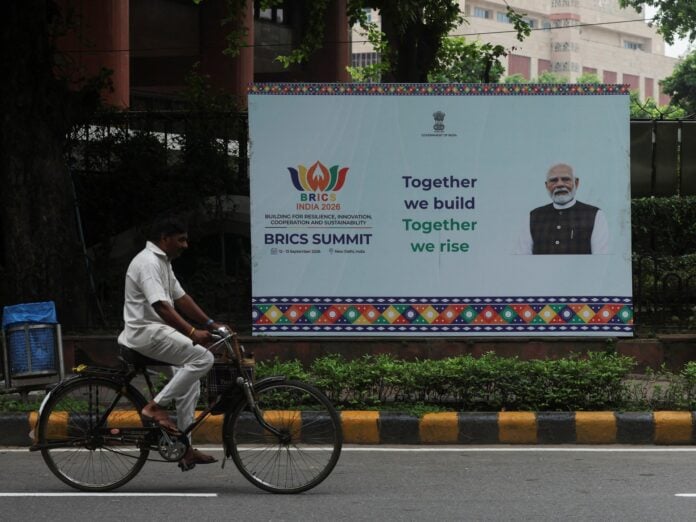
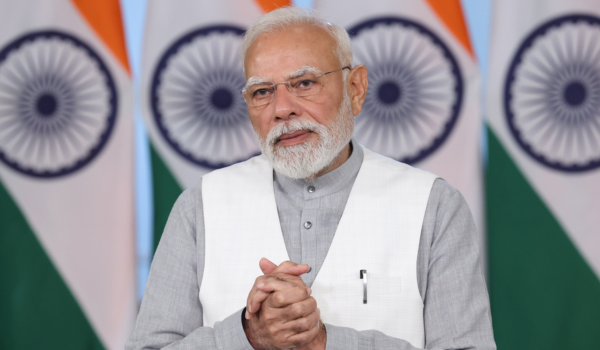
Forty years later, Prime Minister Narendra Modi will arrive in Auckland on July 10 for what his government has formally described as a state visit — the first by an Indian prime minister since that 1986 stop. The architecture around this trip is different in every meaningful way.
The visit is the third leg of a six-day Indo-Pacific tour that takes Modi from Jakarta to Melbourne before landing in Auckland. In Indonesia, he will meet President Prabowo Subianto and visit the Prambanan Temple at Yogyakarta, a UNESCO World Heritage site. In Melbourne, he will hold the third India-Australia Annual Summit with Prime Minister Anthony Albanese and address the India-Australia CEOs Forum. Auckland is the final destination — and in some ways the most symbolic one. New Zealand is the smallest of the three partners and the one that had waited longest.
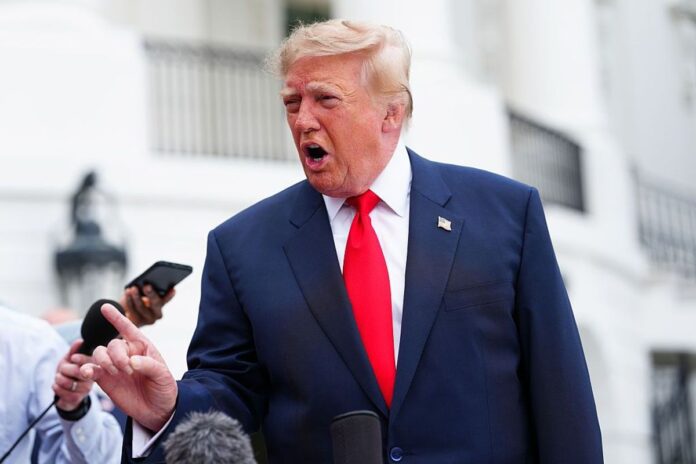
“Prime Minister Modi’s visit is historic, with this being the first to New Zealand by an Indian Prime Minister in 40 years,” Christopher Luxon said on Thursday, when the New Zealand prime minister confirmed the visit. The trip, according to All India Radio, is rooted in India’s Act East policy and its emphasis on a rules-based maritime order across the Indo-Pacific region.
Luxon has framed the entire visit around a single concrete anchor: the Free Trade Agreement that India and New Zealand signed in April 2026, after more than a decade of negotiations that concluded in December 2025. The FTA eliminates tariffs on 95 percent of New Zealand exports to India. New Zealand, for its part, grants full duty-free access to Indian exports. Bilateral annual goods and services trade between the two countries stood at roughly NZ$3.95 billion before the agreement — a figure both governments expect to rise materially once the new access takes effect.
“We are taking the two countries’ relationship to the next level with our New Zealand-India Free Trade Agreement,” Luxon said, describing it as a deal that would “unlock new opportunities to grow our goods and services exports into a market of 1.4 billion people, bringing more money into Kiwi communities.” That framing rests on a real foundation. The OECD ranks India as the world’s fastest-growing major economy, and the Reserve Bank of India projects 6.9 percent real GDP growth for the current fiscal year. Every Pacific partner is recalculating what a deeper relationship with New Delhi is actually worth.
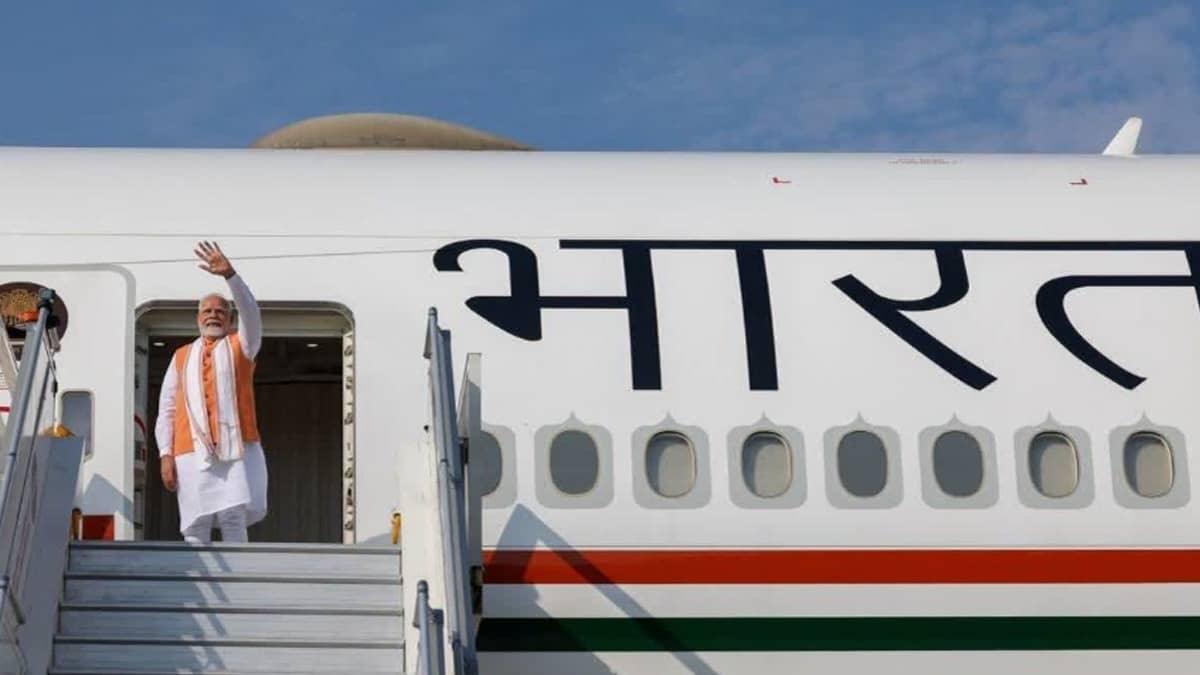
The Auckland itinerary reflects both the diplomatic formality and the community dimension of the visit. Modi will receive a formal welcome at Government House Auckland, hold bilateral discussions with Luxon covering trade, commerce, and defence, and meet with business and sports personalities. A major public reception is planned for the Indian diaspora — registrations had already exceeded organizers’ expectations before the official dates were confirmed. Indians now make up approximately six percent of New Zealand’s population, one of the fastest-growing migrant communities in the country. New Zealand Trade Minister Todd McClay traveled to New Delhi before the visit specifically to meet his counterpart Piyush Goyal on trade implementation and logistics.
For India, this visit fits within a week of significant outward moves. The same day that Modi’s Auckland stop was confirmed, he inaugurated India’s first new greenfield refinery complex in a decade, at Pachpadra in Rajasthan — domestic industrial ambition and international commercial diplomacy operating on the same frequency. Earlier this week, New Delhi reaffirmed the Indus Waters Treaty abeyance it imposed after the Pahalgam attack, maintaining a firm posture on Pakistan even as it deepens ties with Pacific partners. The Indo-Pacific pivot and the Pakistan posture are not contradictions; they are the same policy, running in two directions simultaneously.
The agricultural and dairy dimensions of the FTA deserve specific attention, because they are where New Zealand’s trade identity and India’s domestic sensitivity intersect most directly. New Zealand is among the world’s leading dairy exporters; India is the world’s largest milk producer and has historically protected its dairy sector from foreign competition. The FTA’s provisions on this front — which quotas apply, what phase-in periods govern sensitive product categories, what dispute resolution mechanisms are available — have not been disclosed in granular detail in public announcements. Those details will be a central test of whether the deal delivers what Luxon has promised Kiwi farmers.
New Zealand’s domestic political conversation also includes concerns about the FTA’s labour mobility provisions, which opened new pathways for Indian workers into sectors experiencing workforce shortages. Whether those provisions become a sustained friction point — as immigration has in other jurisdictions that signed comprehensive economic partnerships — is one of several things this visit cannot resolve. The visit marks a political commitment. It does not guarantee the implementation will be frictionless.
What it does mark, plainly, is that two countries which maintained four decades of a functional but largely unattended relationship have now decided it is worth attending to. The FTA was the decision. Modi’s arrival in Auckland on July 10 is the announcement, made in person, that the decision was made.