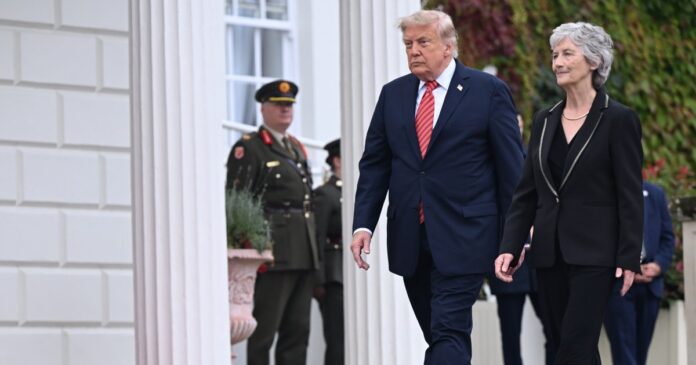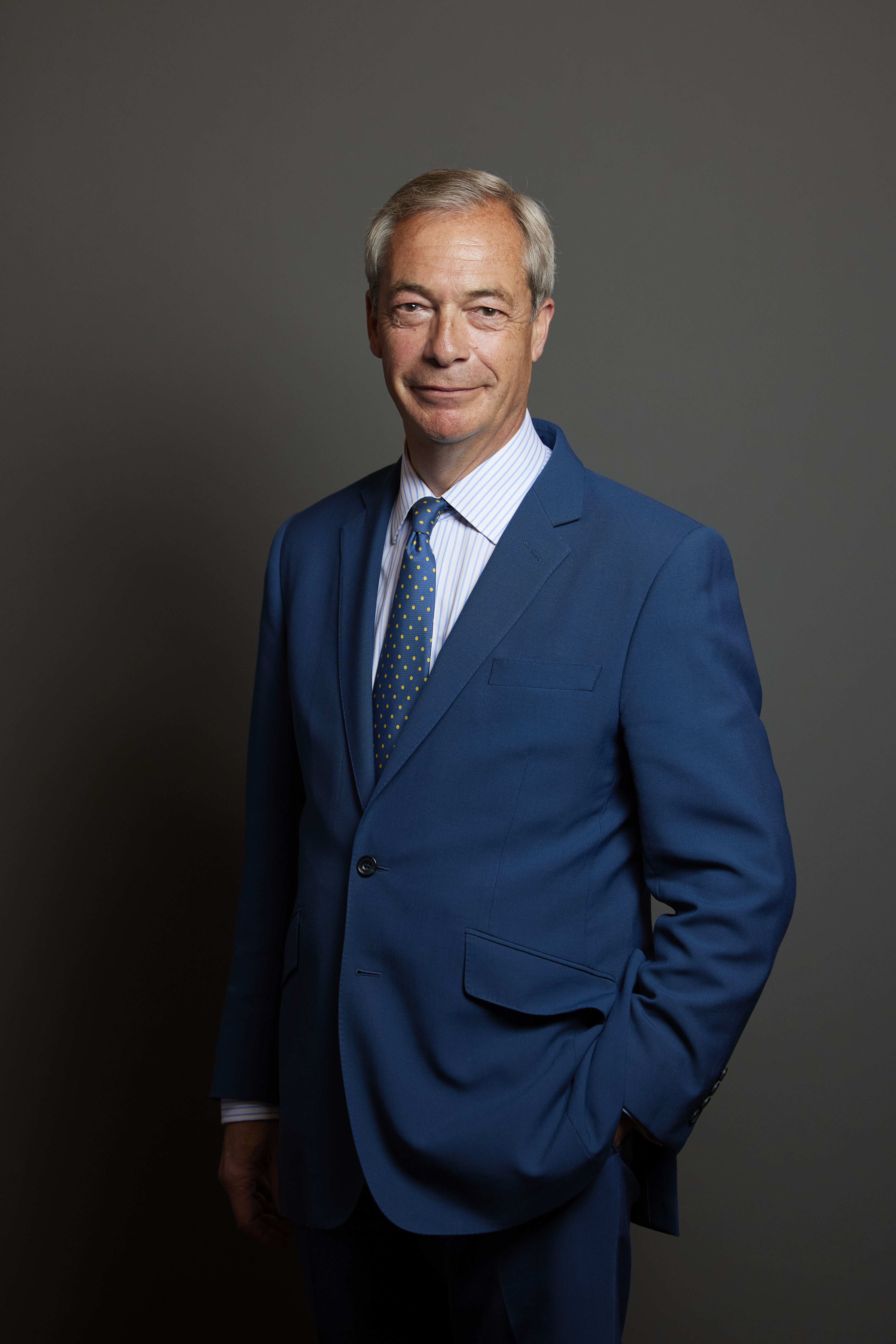

LONDON — Nigel Farage once described George Cottrell as “like a son to me.” Parliament’s standards committee is now asking why the Reform UK leader never fully disclosed the money that came with that relationship.
Farage has been referred to the House of Commons Committee on Standards over allegations that he failed to declare financial benefits from Cottrell, a convicted money launderer, in the year before his 2024 election to Parliament. A Sunday Times investigation reported that Cottrell paid for security, drivers, staff and accommodation for Farage, including continued use of a five-storey Georgian townhouse near Buckingham Palace that Cottrell rents. Farage’s official register of interests recorded only one benefit from Cottrell: about £9,200 in travel costs to a conservative conference in Belgium.

MPs’ code of conduct requires new members to declare any benefit worth more than £300 received in the 12 months before their election, if it relates in any way to their political activities. The newspaper’s reporting describes benefits well beyond that threshold and well beyond the single declared item: staff Cottrell recruited and paid to work on Farage’s social media operation before the general election, and ongoing use of the London townhouse, arrangements the report says continued past the disclosure window Parliament’s rules are meant to capture.
Cottrell’s own history is what makes the arrangement more than a technical filing dispute. He was introduced to Farage’s circle around 2010 by his uncle, Lord Hesketh, a former UKIP treasurer, and became close enough to the party leader that Farage once called him “like a son to me.” In 2017, Cottrell pleaded guilty in the United States to a single count of wire fraud after undercover IRS agents caught him advertising money-laundering services on the dark web, telling agents posing as drug dealers he could clean their proceeds for a fee. Twenty other charges were dropped as part of the plea deal, and he served eight months in an American jail.
The disclosure rule Farage is accused of breaching exists specifically to prevent the situation his critics say has now occurred: a sitting MP owing an undisclosed debt of gratitude, or simply undisclosed material comfort, to someone whose own history might otherwise invite scrutiny of the relationship. Cottrell’s dark web money-laundering pitch and Farage’s own past description of him as a son are not, on their own, evidence that any laundered or improper money reached Farage directly. The Sunday Times report does not allege that. What it alleges is narrower and, procedurally, still serious: that Parliament’s own members were denied the information the rules say they are entitled to before deciding how much weight to give the relationship themselves.
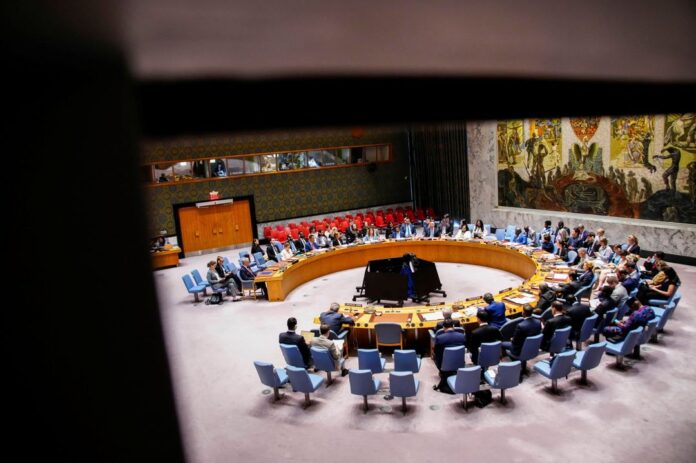
A spokesman for Farage called the Sunday Times story “baseless and contrived” and said no parliamentary rules had been broken. That denial has not stopped the standards committee referral, which now puts an official parliamentary body, rather than a newspaper’s editors, in the position of deciding whether Farage’s disclosures met the threshold the rules actually require.
The timing matters beyond Farage personally. Reform UK has spent the past year climbing in national polling, positioning itself as a genuine contender rather than a protest vote ahead of the next general election, and Farage’s own political brand rests heavily on positioning himself as an outsider unbeholden to the financial and institutional arrangements he accuses mainstream British politicians of hiding. A parliamentary finding that he failed to disclose funding from a convicted fraudster, however the standards committee ultimately characterizes it, cuts directly against that positioning in a way a policy dispute would not.
What the standards committee can actually do if it finds against Farage is itself limited and slow. Sanctions for registration breaches typically range from a written apology to a short suspension from the Commons, decided only after an investigation that can take months, and the committee has not indicated when it expects to conclude its review or whether it will examine the townhouse arrangement, the staff payments, or only the single already-disclosed conference trip. Cottrell, for his part, has not commented publicly on the newspaper’s account of an arrangement that, on his end, has never been secret.