
NEW YORK – In the first hours of Asian trading on Monday, Bitcoin fell to $62,300, a 3.4 percent drop from its Sunday peak. The price had recovered to around $62,800 by the time London opened, but about $253 million in leveraged positions had already been wiped out. CoinGlass put that at roughly one-sixth of the worst single-session liquidation over the prior month. For a market that had spent the previous week climbing, it was a reset.
Three catalysts converged over the weekend to drain risk appetite from crypto markets and redirect capital elsewhere. None of them originated inside the crypto industry.
The first was the Strait of Hormuz. President Trump announced a 20-percent fee on all cargo transiting the strait, framing it as part of the broader pressure campaign against Iran after the ceasefire collapsed. Oil jumped 8.5 percent to $77.50 a barrel in the same session that Bitcoin fell. Iran’s strikes on US bases across five Gulf nations last weekend set the stage for the escalation; Trump’s cargo fee was the market-facing consequence.
The second catalyst was South Korea. SK Hynix, the memory chipmaker, fell 15 percent on Monday, a single-session record for the company. The Kospi index lost 9 percent. The collapse reflected investor concern that AI chip demand is softening, and it triggered a regional risk-off wave that hit Bitcoin alongside equities across Asia.
SK Hynix’s selloff mattered for crypto for a reason that has only emerged in the current cycle. As AI infrastructure spending has dominated technology investment, Bitcoin has increasingly traded as a loose proxy for technology optimism. When the largest memory chipmaker in Asia loses 15 percent in a single session, the implied momentum behind AI spending is being revised downward. That revision moved risk assets in the same direction.
The third driver arrived from the Federal Reserve. Governor Chris Waller said that if the June inflation reading comes in hot, the FOMC would “need to consider tightening.” That reading is due today. Markets priced in roughly a 50-percent probability of a July rate hike. Two-year Treasury yields rose to 4.27 percent; the 10-year climbed to 4.6 percent. Higher rates remove the theoretical justification for holding non-yielding assets, and Bitcoin fell in direct response.
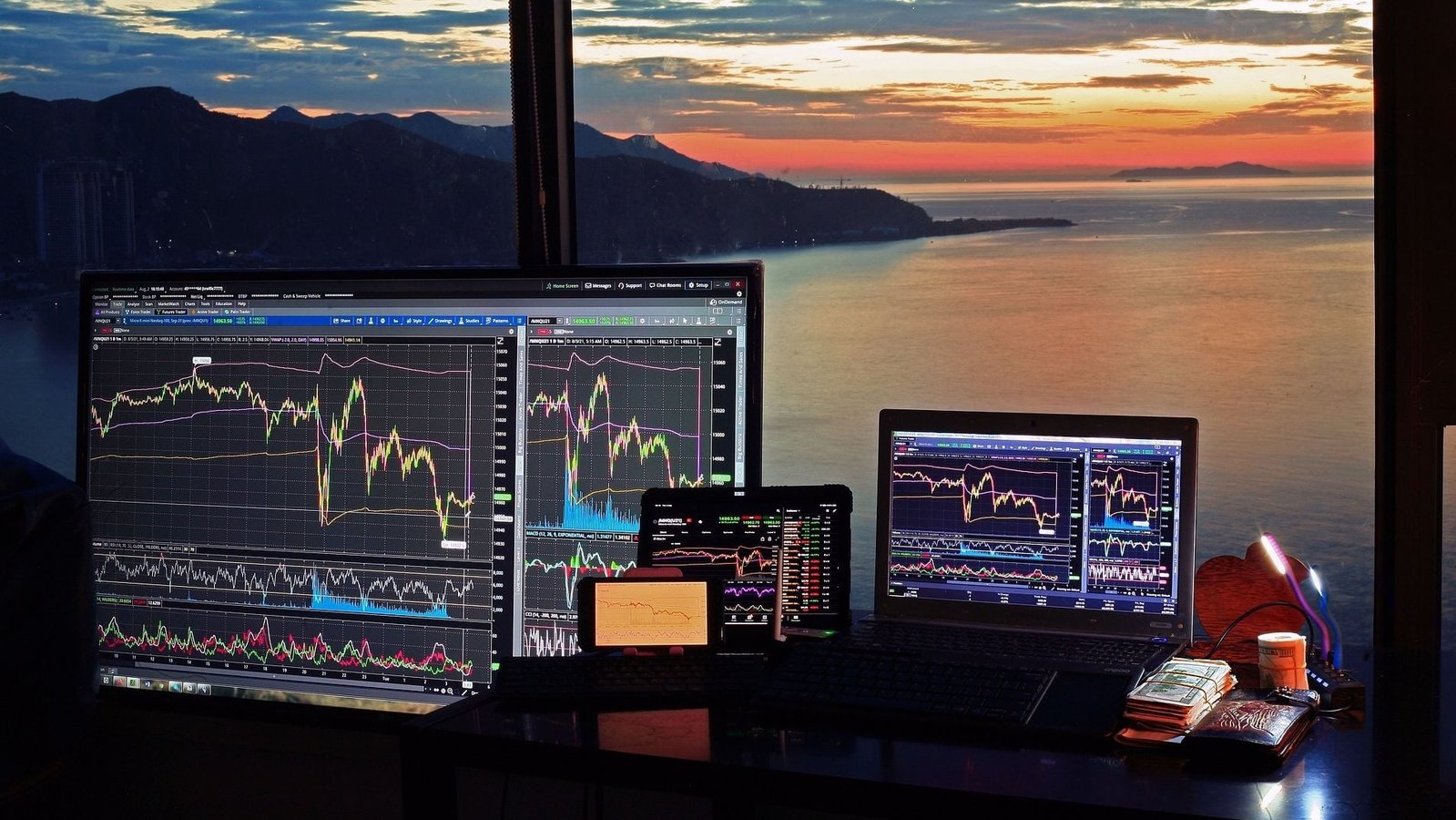
The timing amplified the move. Bitcoin markets are open on weekends when institutional liquidity is lower, meaning price gaps can widen faster than in regular trading sessions. Three macro developments landing over a Saturday and Sunday left the market positioned for exactly the kind of leverage flush that materialized when Asia opened Monday morning.
Bitcoin’s sensitivity to macro events has grown more direct as institutional ownership has expanded. Analysts at Anchorage Digital attributed roughly 30 percent of Monday’s selling pressure to capital rotating into AI stocks, which had recovered sharply while crypto sold off. That pattern has become more common since Bitcoin ETFs began drawing in allocators with diversified portfolios. The asset now responds to the same triggers as equities more often than it once did.
The ETF data offers one complicating note. Bitcoin exchange-traded funds recorded their first net weekly inflows in nine weeks in the period ending last Friday, pulling in $197 million. That inflow preceded Monday’s decline, and whether much of it reversed during the session will not be reported until later this week. The inflow was a positive signal that arrived at the wrong moment.
Bitcoin’s leverage structure going into Monday contributed to the speed of the decline. Funding rates in perpetual futures markets had been elevated over the weekend, indicating that many traders held leveraged long positions. When the price fell, those positions were liquidated, which pushed the price lower, which triggered more liquidations. The mechanism is common enough in crypto markets that it has acquired a name: a leverage flush.
As CoinDesk reported, Monday’s liquidation was moderate by recent standards, about a sixth of the worst wipeout in the past month. That does not mean the selling is finished. The June CPI report due today will determine whether Waller’s rate hike signal holds. A hot reading validates the tightening scenario and would likely extend pressure on Bitcoin. A soft reading could reverse it.
The Hormuz cargo fee is the element that outlasts a single CPI print. If the 20-percent levy on strait traffic holds, it adds an inflation pressure that Fed language adjustments cannot resolve. Bitcoin spent most of the past month in a $59,000-to-$66,000 range. Monday’s session left it at the lower end of that range, with two unresolved macro questions determining which direction it moves next.