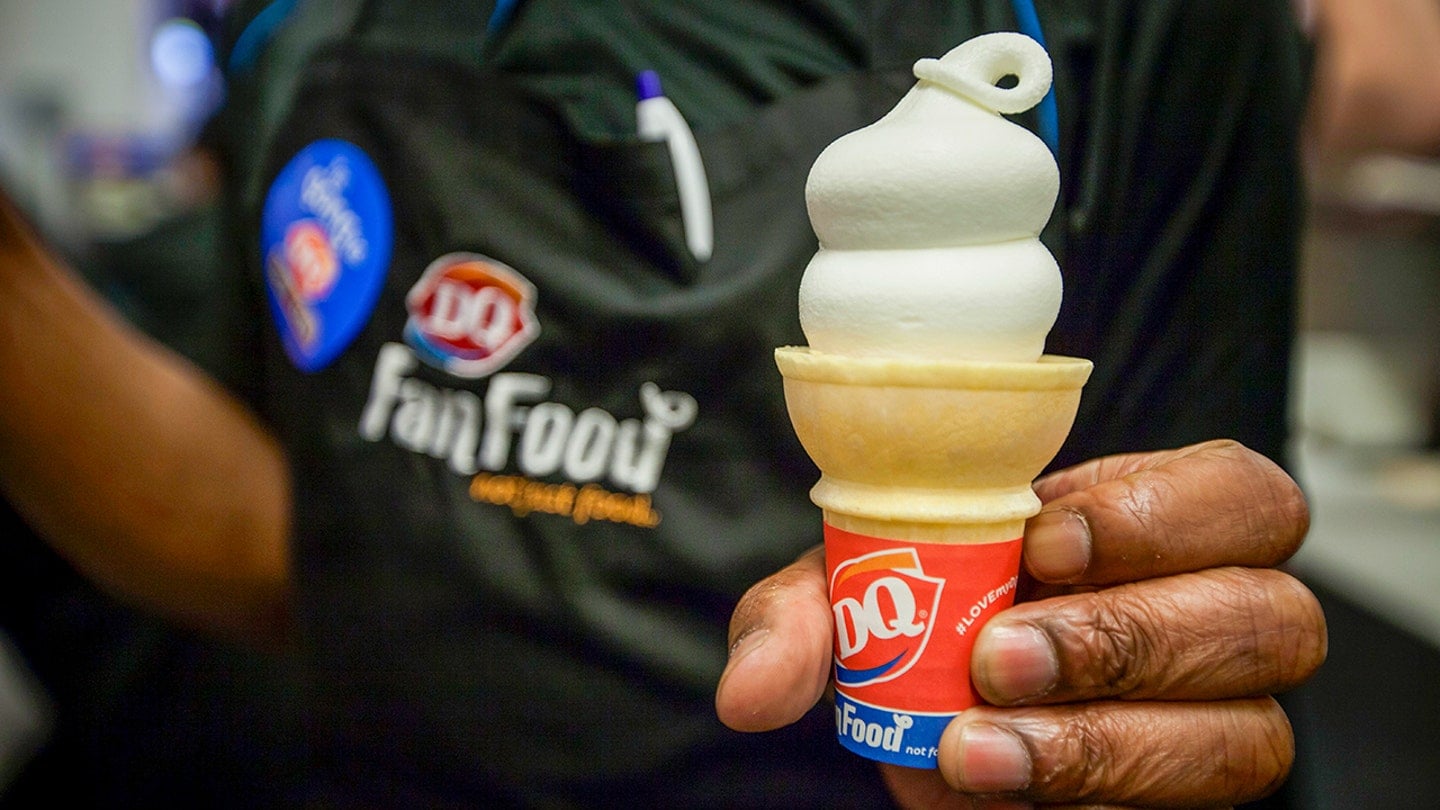

DALLAS – A Great Falls, Montana franchisee walked away from a Dairy Queen he had operated for 39 years this summer and announced he was converting the building into a Mediterranean restaurant. He told a local television station he was bringing “something fresh and exciting” to the area. What he did not say was that his decision was part of something far larger unfolding across the chain.
In total, Dairy Queen has closed more than 46 locations across three states in 2026. Three in Alaska. One in Montana. And 42 in Texas, in a single enforcement action that stripped one franchise operator of its rights and shuttered every store it managed within weeks.
The Texas operator, known as Project Lonestar, held franchise agreements covering 42 Dairy Queen locations spread across the state. The parent company revoked those rights after Project Lonestar failed to complete required building remodels, according to Fox Business. The consequence was immediate. The operator was cut off from ordering official Dairy Queen inventory. Without supply, the locations could not function. Between February and March, all 42 closed.
In Alaska, a different operator closed three stores in quick succession in late June. The closures affected Anchorage, Wasilla, and Palmer. They left just one Dairy Queen operating in the state, in Soldotna, roughly 150 miles south of Anchorage. The Anchorage Daily News, which first reported the Alaska closures, attributed the situation to a “tightening economic climate.” No financial detail was offered. Dairy Queen did not respond to requests for comment.
The Montana closing carries a quieter texture. The Great Falls franchisee was not pushed out by a corporate action, nor did he publicly cite financial strain. He chose, or described choosing, a different path after nearly four decades. Whether that choice was entirely voluntary, or softened by the same pressures affecting operators across Texas and Alaska, is not something he put on the record. The result is the same regardless of the cause: one fewer Dairy Queen in a community that had depended on the same operator since the late 1980s.
Dairy Queen is headquartered in Minneapolis and operates as a wholly owned subsidiary of Berkshire Hathaway, Warren Buffett’s Omaha conglomerate. The chain maintains roughly 7,800 locations across more than 20 countries. The closures reported in 2026 represent a fraction of that global portfolio. What they represent for the operators who invested in those franchises, and the communities where they operated, is a different calculation entirely.
The American restaurant sector has been absorbing sustained pressure for more than a year. The June payroll report showing leisure and hospitality shed 61,000 jobs in what should have been peak hiring season was not an isolated reading. It reflected a pattern in which the consumer demand that carried food service operators through 2024 has been cooling steadily. For franchise operators with fixed overhead, a slowdown in customer traffic does not arrive as a trend. It arrives as a month where the numbers stop working.
The franchise model underpinning Dairy Queen, like most quick-service chains, rests on a particular division of responsibility. The corporate parent sets the brand standard, controls the supply chain, and mandates the physical presentation of every location. The operator takes on the local risk: the lease, the labor, the build-out costs, the remodeling requirements. That arrangement was designed for steady conditions. When corporate standards arrive on a tight deadline in a period of rising costs and softening revenue, the operator absorbs the gap. Project Lonestar’s 42 Texas closures are what that gap looks like from the outside.
The economic backdrop compounds the operational difficulty. The tariff burden on American retailers, which has pushed supply and construction costs higher since 2025, has made capital-intensive requirements like building remodels more expensive and harder to finance. The Federal Reserve’s current rate posture has tightened credit conditions for small operators. A franchise agreement that requires renovations to maintain operating rights is, under these conditions, also a quiet test of whether a franchisee has access to capital. Many do not.
What remains unanswered is what happens next for the workers who staffed those 46 locations. Franchise employment does not typically follow the workers when a store closes. Each operator handles its own staffing, and the parent company carries no obligation to the employees of an independent franchisee. Dairy Queen has not announced any support for displaced workers, offered a timeline for reopening the Texas locations under new operators, or explained what investor recovery under Project Lonestar might look like. There are, by any accounting, fewer Dairy Queens in Texas, Alaska, and Montana than there were in January. The rest of the story remains with the company, and the company is not talking.