
WASHINGTON – Immigration and Customs Enforcement suspended most vehicle stops by its enforcement and removal operations agents nationwide on Tuesday, a reversal triggered by two shooting deaths in one week that drew condemnation from senators in both parties and left the agency’s account of each incident under formal challenge.
The directive, effective immediately, applies to ERO agents operating independently. Exceptions remain for operations conducted with partner agencies targeting criminal suspects under judicial warrants. Homeland Security Investigations, a separate ICE arm, is unaffected. The policy change is the first formal operational restriction placed on ERO agents since President Donald Trump launched his mass enforcement campaign in January 2025.
The first death came in Texas. On July 7, Lorenzo Salgado Araujo, a Mexican national with no criminal record who had lived in the United States for more than thirty years and was approaching eligibility for a work permit, was shot during an ICE stop in which agents were looking for a different individual. DHS said Salgado Araujo ignored commands and attempted to ram an officer. His family disputed that characterization. Mexico’s government subsequently filed formal criminal complaints against US officials over his death, describing his killing as part of a pattern in which at least seventeen Mexican nationals had died in US immigration operations since Trump’s second term began.
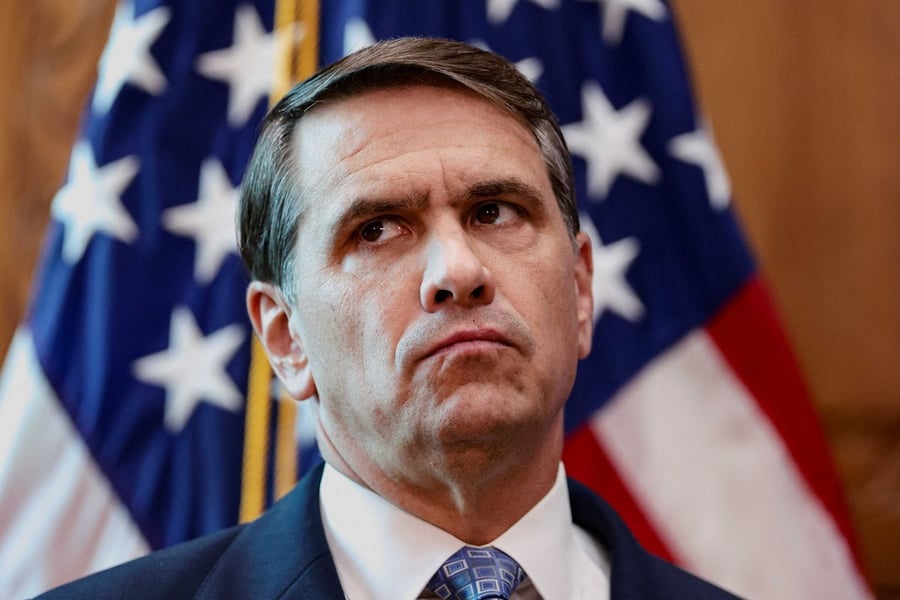
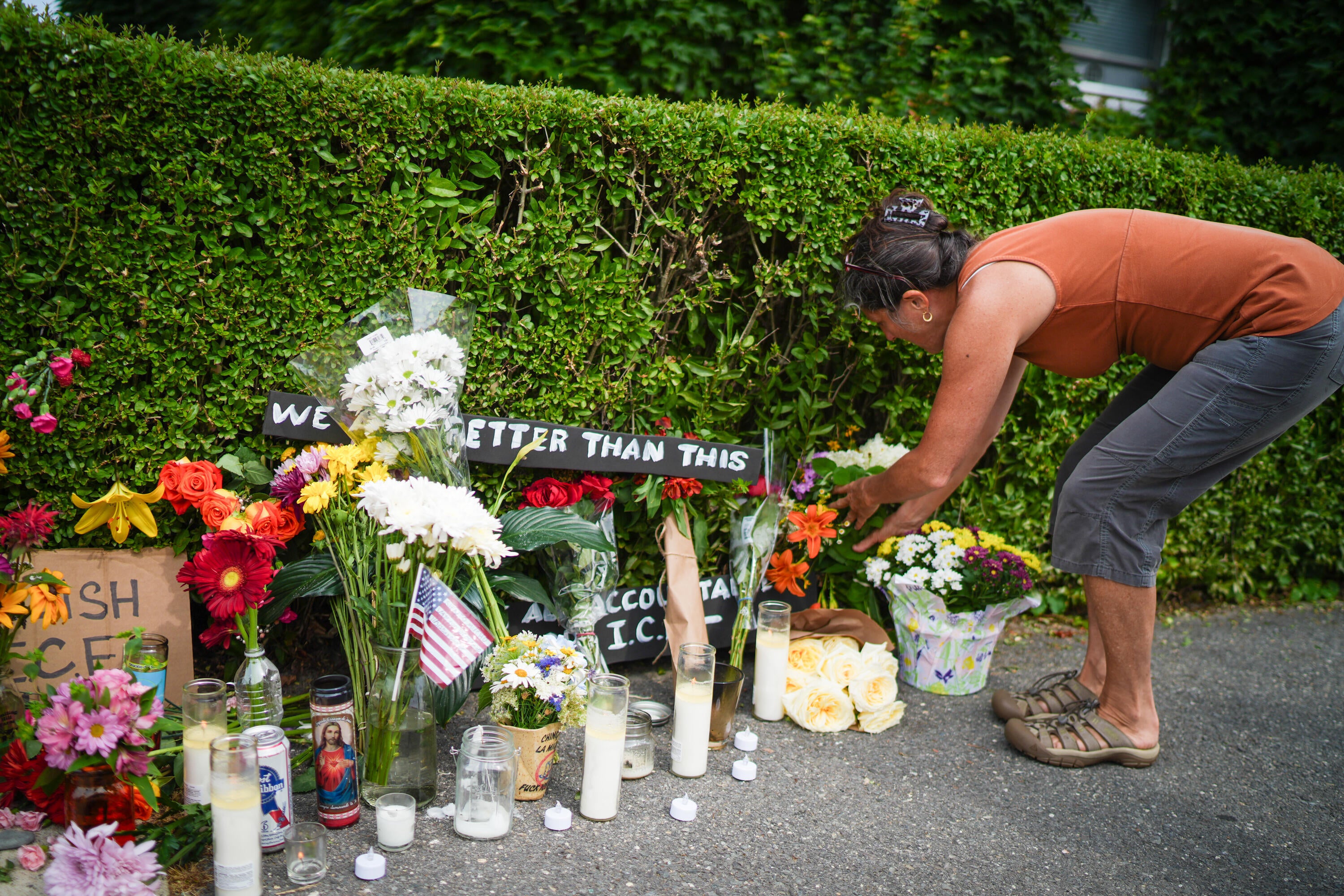
Seven days later, in Biddeford, Maine, Johan Sebastián Durán Guerrero, a 25-year-old Colombian national in the country without legal status, was shot and killed during a vehicle stop that ICE agents initiated while conducting surveillance on a different target’s address. DHS Secretary Markwayne Mullin said Durán Guerrero had “attempted to flee the scene” and that officers discharged their weapon “fearing for public safety.” His father, speaking from Colombia to CBS News partner Noticias Caracol, said only: “I only ask God that this be resolved in the best way.” Durán Guerrero left behind a wife and a three-year-old daughter.
In the Senate, the response was swift and bipartisan. Maine Senator Angus King, an independent, called for “a full, fair, open, transparent investigation” and said any inquiry “strictly run by the feds” would lack credibility. Senator Susan Collins, a Republican, wrote to Mullin urging him to “cease all non-urgent vehicle stops.” King went further, noting that more than ninety percent of the two hundred-plus arrests carried out by ICE agents in Maine since January involved people with no criminal records – a direct contradiction of the administration’s repeated claim that enforcement is focused on “the worst of the worst.”
As CBS News reported, what links both shootings is the same procedural pattern: agents conducting surveillance on one address or one named individual encountered a different person, initiated a vehicle stop, and a fatality resulted. In neither case was the person killed the target of the warrant or operation that brought ICE to the area.
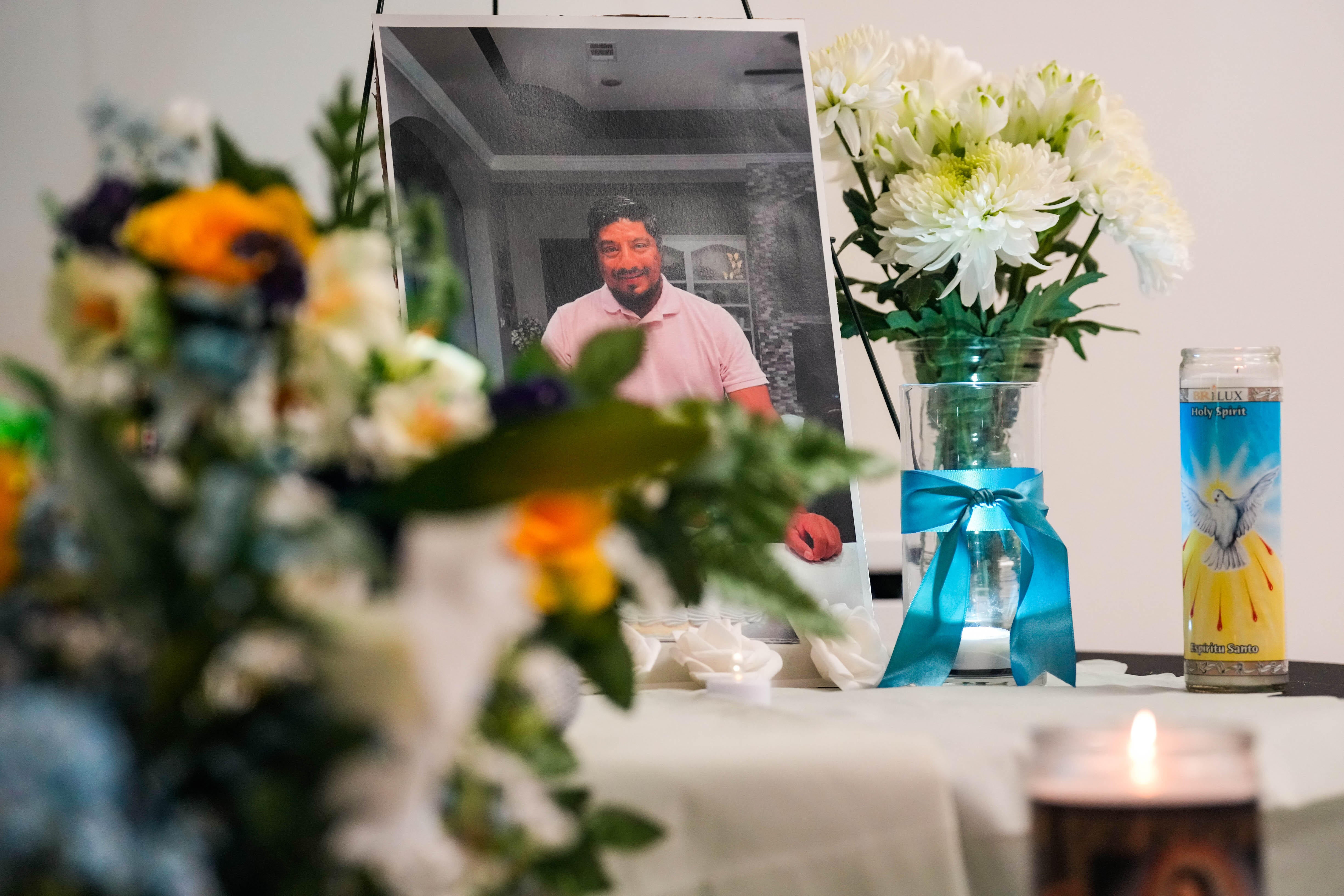
Tuesday’s suspension comes as the toll from Trump’s mass deportation campaign has reached at least nine documented deaths in enforcement encounters since January 2025. Those deaths include four US citizens. In each case, the government’s initial account of the encounter has been subsequently challenged by relatives, witnesses, or available footage. No enforcement officer has been charged with a crime in connection with any of the nine fatalities.
The FBI opened an investigation into the Maine shooting on Monday. DHS has not announced an external review of the Texas killing. The department’s mounting legal exposure across multiple cases includes civil rights lawsuits filed by the families of those killed, proceeding against an agency whose agents are not required to wear body cameras and which can invoke federal qualified immunity protections in individual claims.
Whether Tuesday’s vehicle-stop suspension signals a lasting shift in ICE’s operating approach or a temporary response to political pressure is not apparent from the directive itself. The carve-outs for warrant-based partner operations leave the enforcement architecture intact. The administration has not indicated that it will revise the executive orders that broadened ICE’s interior operating authority in January 2025, removed restrictions on arrests near schools and churches, and drove the expansion of enforcement into communities where it had not previously operated at scale. For Durán Guerrero’s family in Biddeford and for Salgado Araujo’s family in Houston, the agency’s pause arrived after the deaths that made it necessary.
Related Posts