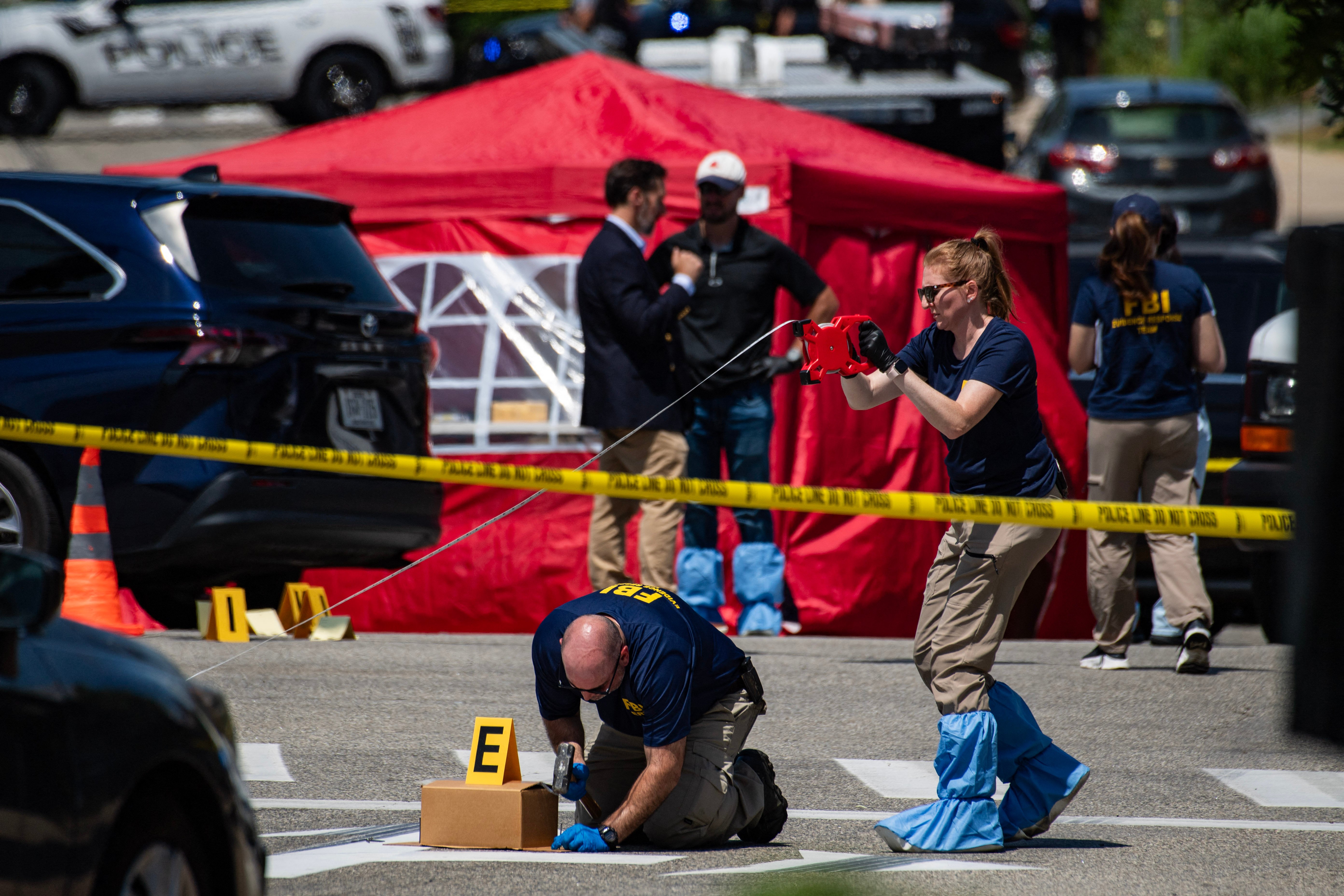

WASHINGTON – Federal investigators arrived in Biddeford, Maine, on Monday after an Immigration and Customs Enforcement agent fatally shot a motorist during a deportation operation, adding a ninth name to the documented roll of people who have died during President Donald Trump’s mass enforcement campaign since he returned to office in January 2025.
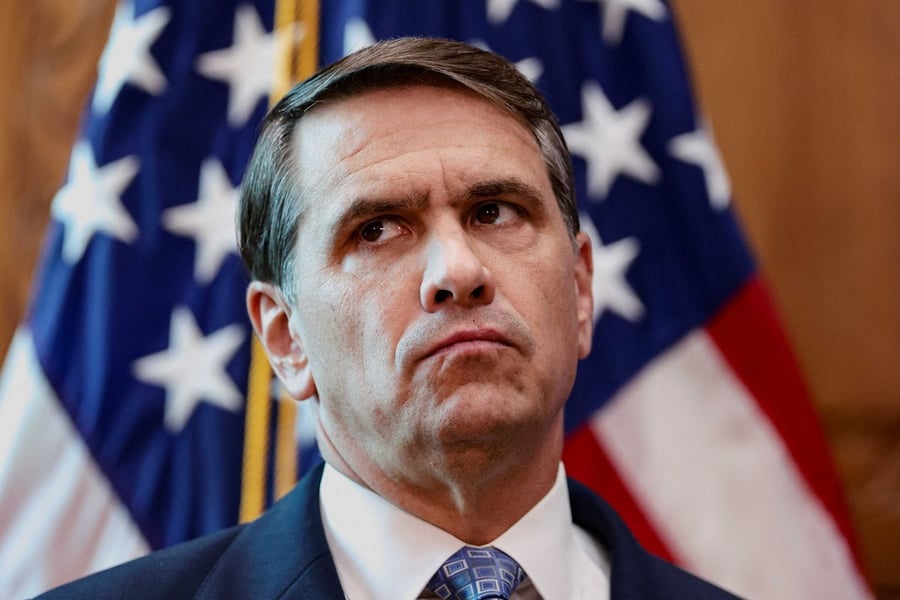
The FBI said it had opened an investigation. Homeland Security Secretary Markwayne Mullin, speaking publicly without releasing the victim’s identity, claimed the motorist had “weaponized” his vehicle against agents at the scene. Senator Angus King of Maine called for a full and transparent account and said his office would seek a briefing from the Department of Homeland Security. According to a preliminary account reported by Al Jazeera, witnesses described the vehicle as moving slowly in circles and said it did not appear to be targeting officers, directly contradicting the federal claim.
The pattern is not new. In each of the nine deaths tied to Trump’s mass deportation effort, the government’s initial characterization of the encounter has been subsequently challenged by relatives, witnesses, or available video evidence.
Minnesota Governor Tim Walz used the word “despicable” to describe the Maine shooting, the same term he had applied in January when Alex Pretti, an intensive care nurse from Minneapolis and a US citizen, was shot during enforcement operations in the Twin Cities on January 24, 2026. Pretti’s death brought into focus something the full record underscores: four of the nine people who have died in enforcement encounters are American citizens.
The enforcement expansion that preceded these deaths began in the first weeks of Trump’s second term. Executive orders broadened ICE’s operating authority, removed long-standing restrictions on arrests near sensitive locations, and significantly increased the deployment of agents in interior cities far from the southern border. Those policy changes sent agents into places previously considered off-limits and produced a series of fatalities that now stretch from Texas to Maine.
Renee Good, a legal observer and US citizen, was shot by an ICE officer identified as Jonathan Ross in Minneapolis on January 7, 2026, while monitoring an enforcement operation from a public area. Her family’s legal team later obtained video footage that contradicted the government’s account of the encounter. Ross has not been charged with a crime.
Lorenzo Salgado Araujo, a Mexican national, was shot and killed during a Houston enforcement operation on July 7, six days before the Maine shooting. His death prompted Mexico’s government to file formal criminal complaints against US officials, an escalation that extended a bilateral dispute over enforcement-related deaths. The Mexican government said at least seventeen of its citizens had died in US immigration operations since Trump’s second term began.
Ruben Ray Martinez, 23, a US citizen, was shot in South Padre Island, Texas, in March 2025. Silverio Villegas Gonzalez, a Mexican national who worked as a line cook in the Chicago suburbs, was killed in September 2025. In California, Jaime Alanis died after falling from a greenhouse rooftop during an enforcement raid in July 2025, and Roberto Carlos Montoya Valdez was struck by an SUV in Monrovia in August 2025. In Norfolk, Virginia, Josue Castro Rivera was hit and killed by a truck while crossing Interstate 264 in October 2025, following a pursuit connected to an enforcement operation.
Across all nine cases, the federal government has not publicly announced a review of any individual incident, and no enforcement officer has been charged with a crime. Civil rights organizations have filed lawsuits on behalf of several families, some facing years of litigation against a federal system that can invoke qualified immunity and other legal protections available to individual agents. ICE agents, unlike most local police departments, are not required to wear body cameras.
The legal framework around deportation expanded further in June 2026, when the Supreme Court stripped Temporary Protected Status from roughly 350,000 Haitians and Syrians in twin six-to-three rulings. Critics warned at the time that the decisions would increase enforcement pressure in the field and leave vulnerable populations with diminishing legal recourse. The Maine shooting came two weeks after those rulings took effect.
The identity of the Biddeford victim has not been publicly released, and the FBI investigation is at its earliest stage. What the nine deaths share, from a Texas island to a Maine roadway, is a gap between the federal account and the accounts of those present. Whether the inquiry in Biddeford will produce a different accountability outcome than the eight that preceded it is, for now, unknown.
Related Posts