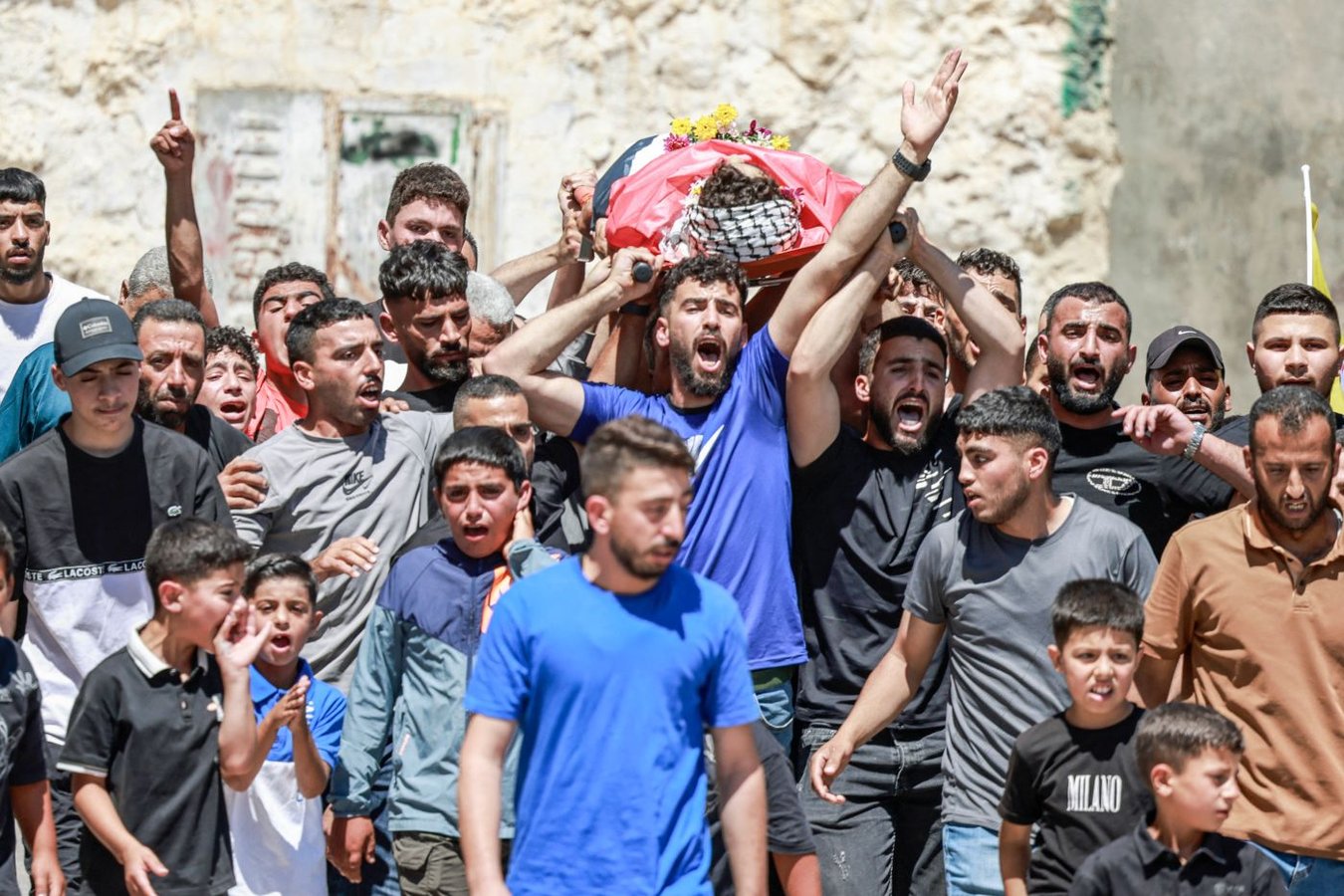

RAMALLAH – Hanan al-Nassan described her son the way mothers do when the person they are describing is no longer alive. He was a good student. He loved football. Everyone in the village loved him. On Friday, July 18, 2026, one week after Israeli settlers and soldiers descended on Al-Mughayyir village east of Ramallah, her son Fadi Hamdallah al-Nassan was dead. He was seventeen years old.
Fadi had been a member of Al-Mughayyir Club and was on the Palestinian national youth team when the July 11 settler assault changed everything. When settlers attacked the village that morning, he ran toward women and girls who were screaming for help. Israeli forces opened fire. A bullet struck his thigh. His leg was later amputated. The wound, and what followed it in a West Bank hospital over seven days, killed him.
His father Hamdallah al-Nassan said simply: “He went to the scene of the attack and was killed.” There was nothing else to say. A teenage footballer heard women screaming. He ran toward them. He was shot. He died.
The Palestine Football Association confirmed on Friday that Fadi had become the 568th member of the country’s football community to be killed since October 7, 2023. Across all sports, the association’s own tally stands at 1,013 Palestinian athletes martyred in that period. No football association anywhere in the world has been compelled to keep a record like this one, updated week by week through more than two years of documented violence against Palestinian athletes in Gaza and the occupied West Bank.
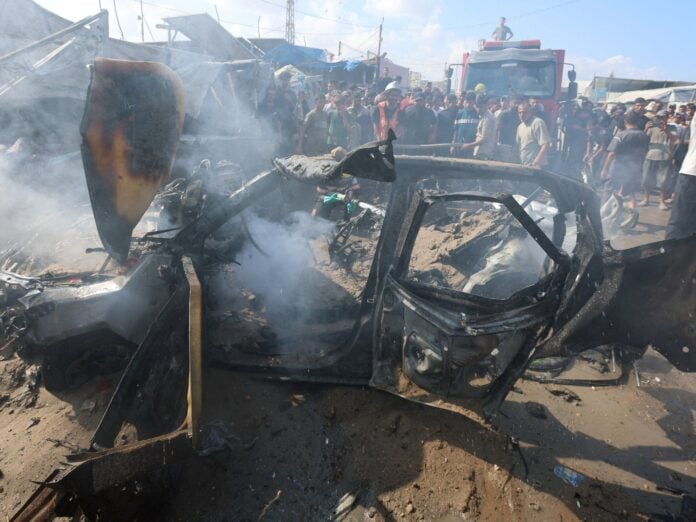
The day Fadi died was not a quiet one in the West Bank. Al Jazeera confirmed that on July 18, settlers burned olive groves near Ramallah and set fire to a family home in the village of Tal near Nablus. Israeli forces fired live rounds at Palestinian farmers working near Jenin. Each incident occupied a paragraph in wire reports. None generated the kind of attention that Fadi’s death, filtering through football networks, briefly produced.
The July 11 assault on Al-Mughayyir fits the pattern that human rights organizations have documented with increasing frequency across the occupied West Bank. Settler groups, operating often alongside Israeli military forces or under their protection, have targeted villages, burned agricultural land, and attacked residents. What is less consistently recorded is what happens when residents try to respond to the women and children in their midst during these assaults. Fadi al-Nassan found out.

The broader sporting world had been forced to reckon with Palestinian athlete deaths before. When Palestinian footballer Suleiman al-Obeid was killed in 2025, the UN Special Rapporteur on Palestine urged UEFA to expel Israel from European competition. That call did not succeed. The question of Israel’s participation in international sport while its forces and allied settlers continue killing Palestinian athletes remains unresolved, a tension that governing bodies have largely chosen not to confront directly.
The Palestine Football Association’s statement cited Fadi’s membership in the national youth team. He was at an age when clubs and national setups begin to notice players. Al-Mughayyir is a small village in the occupied West Bank, east of Ramallah. That a teenager from there had drawn enough attention to be considered for the national youth team speaks to what kind of player he might have become. The association did not speculate. They recorded his name. He was the 568th.
What remains unknown is whether anyone has been identified as responsible for shooting him. The Israeli military had not commented publicly on the circumstances of Fadi’s shooting or on the settler assault on Al-Mughayyir at the time of publication. Israeli military investigations into incidents in the West Bank involving settler violence and the use of live fire are opened with some regularity and concluded, in the overwhelming majority of documented cases, without charges against any soldier or settler.
Hanan al-Nassan had two things left to say about her son: he was a good student, and everyone loved him. These are not small things to say about a dead child. They are the things people say when the scale of what happened is too large, and the loss is too specific, and the speaker wants whoever is listening to understand that the person being described was real. Fadi Hamdallah al-Nassan was real. He played football in Al-Mughayyir. He made the national youth team. On July 11, he heard women screaming and ran toward them. On July 18, the Palestine Football Association added his name to the list. He was the 568th member of Palestine’s football community to be killed. The list keeps growing.