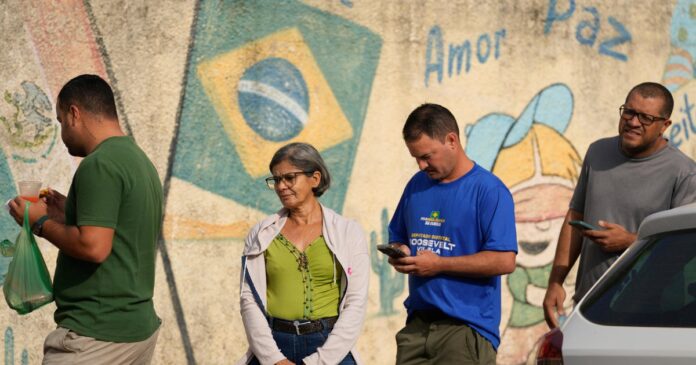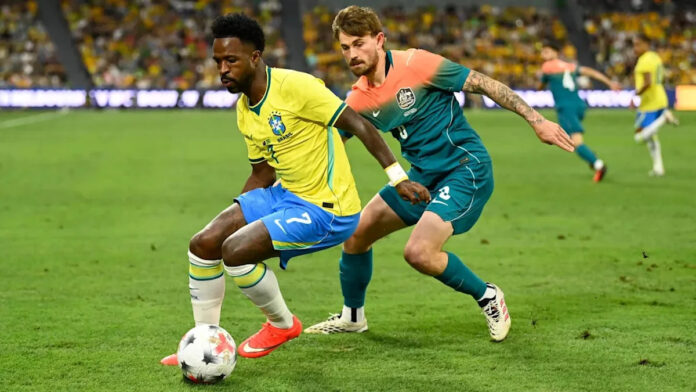

NEW YORK – Francisco Santos had traveled from São Paulo with his World Cup sticker cards and made his position clear before anyone asked. “I would rather see Spain become champions than Argentina become four-time champions.” He was standing outside a New Jersey viewing venue two days before the final at MetLife Stadium, wearing nothing that would identify any team, because there was no team he was there to support. He was there to watch Argentina lose.
Across Latin America, the 2026 World Cup final on Sunday has divided a region that tradition suggests should be unified. Mexico, Colombia, Chile, Brazil and most of the continent’s fan base is backing Spain over Argentina. The sentiment has multiple roots and no single explanation, but it has been consistent enough that it has generated its own commentary, its own viral memes, and its own formal sociological analysis. What it has not generated is much ambivalence. The fans who oppose Argentina in this final generally oppose them with conviction.
The most cited grievance is refereeing. Antonio Lopez, a Mexican police officer who drove from the border region to attend a match in Dallas, described his position: “If referees are going to help you, I don’t” accept the result. The perception that Argentina has received favorable calls throughout the tournament, including contested penalty decisions and card outcomes, has circulated widely among fans from competing nations, though FIFA has defended each specific decision that drew criticism.
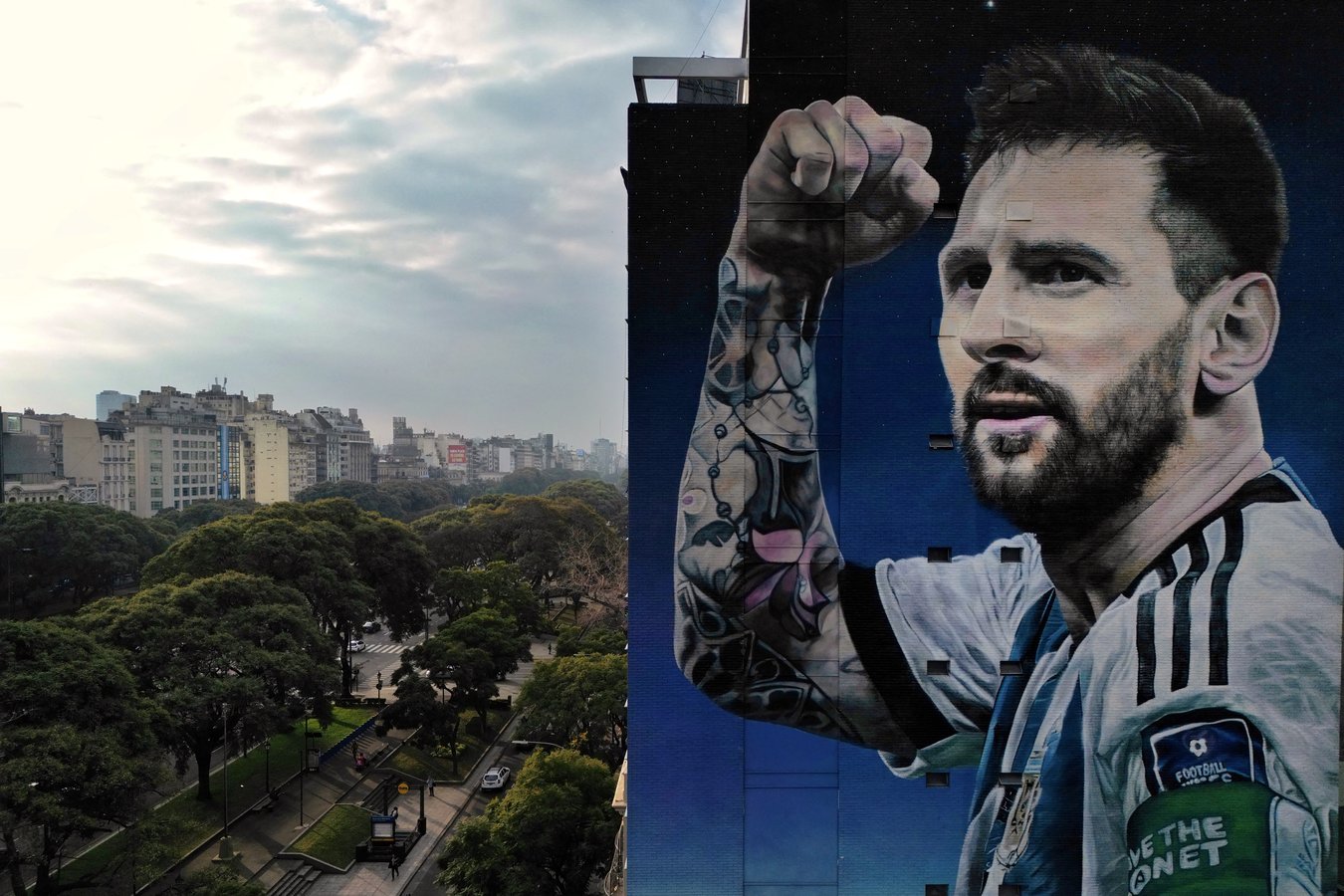
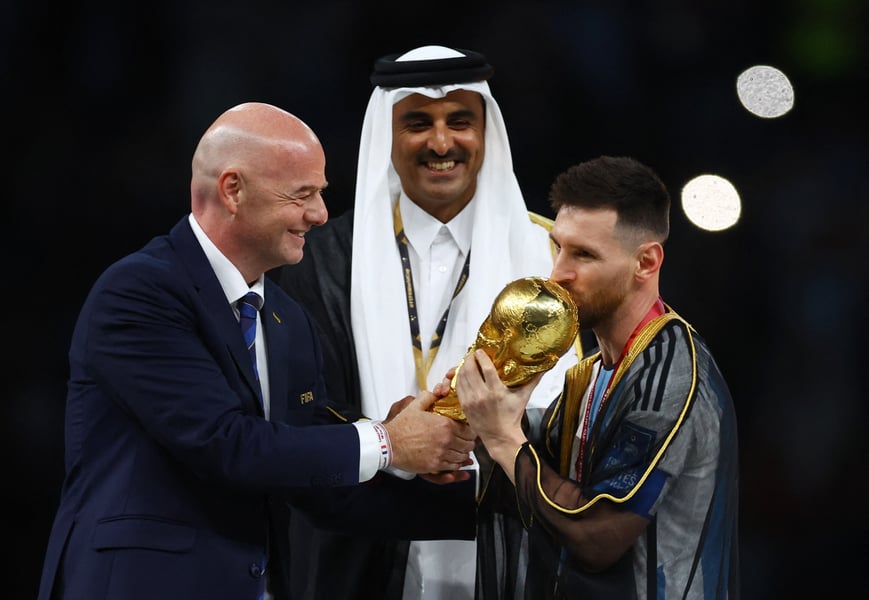
The sociological explanation runs deeper than any particular referee call. Colombian sociologist Germán Gómez described what he sees as a fundamental shift in how Argentina’s football identity is perceived across the continent. Diego Maradona was understood, in Gómez’s analysis, as a revolutionary figure who came from poverty and used football to disrupt the established order. Lionel Messi occupies a different cultural position. He is portrayed, Gómez argues, as FIFA’s chosen symbol, the official face of the sport’s commercial and institutional machinery. That narrative makes him, for a significant portion of Latin American fans, something to resist rather than celebrate.
The political dimension added an additional layer. Javier Milei’s presence as Argentine president has generated resentment across a region where left and center-left governments are more common, and where Milei’s aggressive libertarian economics and diplomatic style have not gone unnoticed. The line between fan sentiment about football and political sentiment about Argentina’s government is not always cleanly drawn. Whether Milei’s politics are genuinely driving fan choices, or whether they are a convenient articulation of a longer-standing regional dynamic, is contested. The effect is visible regardless of the cause.
Racism has also been a specific accusation directed at Argentine fans and players during this tournament. A video circulated of an Argentine supporter telling a Black American social media personality to “cry at the zoo,” and allegations of mockery directed at French players after the semifinal drew attention across the region. The incidents fed a broader narrative about Argentine fan behavior that traveled quickly through social media in Brazil, Colombia and Mexico, countries with large Black and mixed-race populations where the specific content of the allegations landed with particular weight. The tournament has not been without its own dark moments from other fan bases, but the allegations against Argentine supporters became the one that defined regional conversation in the week before the final.
The result was a kind of inverse solidarity. A viral image shared across Latin American social media showed Lamine Yamal, Spain’s seventeen-year-old forward, photoshopped into a Brazilian jersey with a caption identifying him as the “hope of the Brazilian people.” A fernet brand, the Argentine aperitif, ran an ad mocking the phenomenon by showing rival fans in therapy, complaining about their fixation on Argentina. The joke worked because the fixation was real. There is a specific attention that a team commands when a large portion of the region wants to see them fail.
Not everyone has joined the chorus. Valentino Tocto, a twenty-year-old Peruvian student, said he was supporting Argentina “because it’s a South American country.” The regional solidarity argument still holds for some fans, particularly those who frame the final as a contest between South American and European football traditions. Argentina and Spain have produced the final many analysts predicted, with Messi at thirty-eight facing Yamal at seventeen in a match that commentators have framed as a generational handoff. For those inclined to view it through that lens, the continental origin of the players matters.
Mexican President Claudia Sheinbaum acknowledged the anti-Argentina sentiment with characteristic directness, polling journalists at a press conference about who they were supporting and receiving an overwhelming response in Spain’s favor. Sheinbaum herself is attending the final at Trump’s direct invitation, a diplomatic dimension that gives the stadium an additional layer of symbolism. The final at MetLife has become as much a diplomatic stage as a sporting one, with bilateral tensions and trade disputes providing a backdrop to a match already carrying more cultural weight than most World Cup finals.
What Santos and the fans who share his position want is a result, and then they will go home. Whether that result arrives or does not, the dynamic they represent is unlikely to change. Al Jazeera reported on the cross-regional sentiment as the final approached, noting that similar dynamics appeared before Argentina’s 2022 victory in Qatar and did not diminish after it. If Argentina wins a fourth World Cup on Sunday, the regional sentiment will not simply conclude. It will carry forward, intact, to the next tournament, wherever it is held, whenever Argentina appears again on a final matchday.