
CUPERTINO – Klarna’s shares jumped 9 percent on Tuesday after Apple announced the two companies are partnering to launch Apple Upgrade, a device leasing program that will replace the tech giant’s 11-year installment payment arrangement when it goes live in the United States on July 28.
The initiative will allow customers to lease iPhones, iPads, Macs and Apple Watches through 36-month terms, with monthly payments and a buyout option at the end of contract. Bloomberg reported the program’s existence on Monday, citing people familiar with the arrangement. Budget and entry-level models will be excluded at launch, those people said.
Apple’s previous financing option, an interest-free installment plan tied to Apple Card, has existed since 2014. That structure was built in partnership with Goldman Sachs, which Apple has been restructuring in recent years as Goldman sought to exit consumer banking. The new Apple Upgrade program replaces that infrastructure, shifting the lender to Klarna, which operates buy-now-pay-later services across more than 45 countries. The terms of any revenue-sharing between Apple and Klarna were not disclosed.
What turns a routine financing change into a more consequential one is code discovered in iOS 27 by developers, which suggests Apple has built payment-enforcement functionality directly into the operating system. That capability, as described in reviewed code, would allow iOS to restrict app access and device features on a leased unit that falls behind on payments. Apple has not confirmed whether the feature will ship or remain unused infrastructure.
For a company that has spent decades insisting the products its customers purchase are genuinely theirs, that prospect marks a meaningful shift. A leased iPhone that can be software-restricted remotely is not the same product as a purchased iPhone, even if the hardware is identical. The distinction has not drawn significant regulatory attention in the United States yet, but in Europe, where several jurisdictions have enacted right-to-repair and device-autonomy legislation in recent years, software-enforced payment compliance on a consumer device enters contested legal territory. The European Union has in recent years broadened digital regulation to address how platform companies deploy software controls against end users.
Klarna was founded in Stockholm in 2005 and listed on the New York Stock Exchange in 2024. It processes transactions for more than 150 million consumers globally. Apple shipped roughly 226 million iPhones in 2025, and even a fraction of that volume moving through Klarna’s financing infrastructure would represent a step change for the Swedish company. Its 9 percent share move on Tuesday reflects not only the deal itself but the market’s expectation of that scale.
Bloomberg described Apple’s motivation as wanting to spur hardware sales at a time when upgrade cycles have stretched and device costs have climbed. Earlier this month, Apple raised prices on MacBooks and iPads citing component cost pressures linked to an AI-driven shortage in memory chips, with the base MacBook Air increasing by $200. A 36-month lease, if priced accordingly, offers a mechanism to keep customers buying on a cycle even when the sticker price has outrun typical budgets.
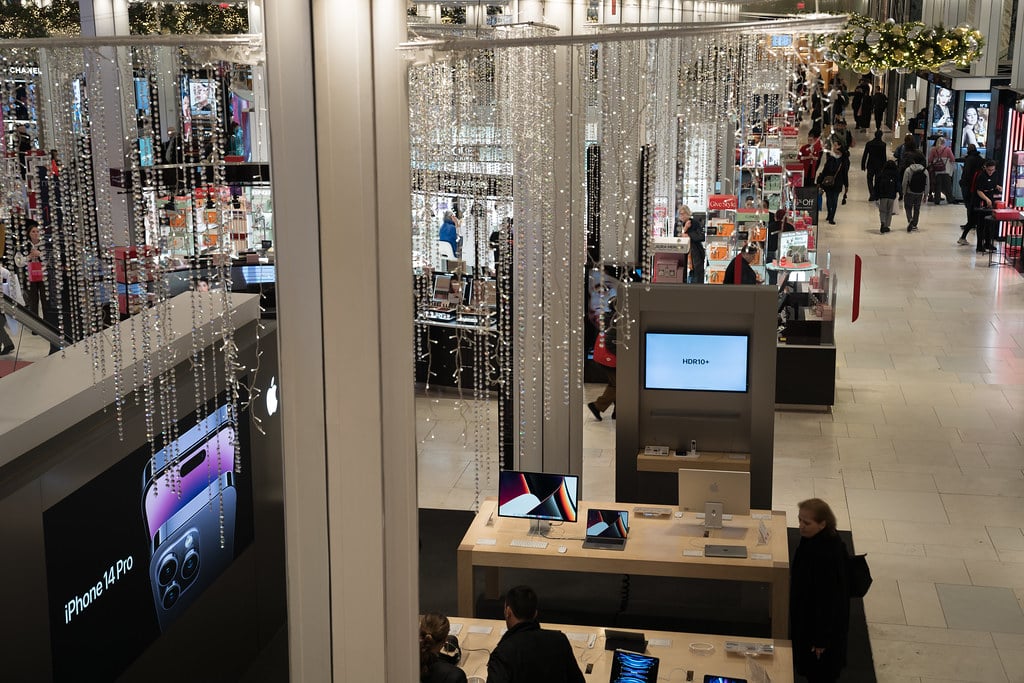
Competitive context matters as well. Samsung has operated device upgrade and financing programs in the United States for several years, and Google recently extended its Pixel trade-in and payment options ahead of a flagship release later this year. Apple’s entry into structured third-party leasing is a late but significant step, and the first time it has appointed an outside fintech as the primary financing layer rather than its own card product. The company reclaimed the world’s most valuable company ranking in mid-July, a position that makes the choice to partner externally on financing a deliberate rather than a default one.
What remains unknown is whether Apple Upgrade will extend beyond the United States, which device generations will qualify, and what the exact monthly payments will be for any category. Apple’s page for the program had not gone live as of publication time on Thursday. The company declined to comment beyond the Bloomberg report, and no pricing structures have been disclosed by either Apple or Klarna ahead of the July 28 launch date.
The iOS enforcement code adds a second question that pricing tables will not answer: whether a leased device behaves the same as one that is fully purchased, or whether missed payments introduce a layer of control that neither Apple’s terms of service nor existing consumer protection law has fully anticipated. The iOS 27 codebase suggests Apple is building for that possibility. How it gets deployed once customers begin signing 36-month agreements starting July 28 is what the program itself does not yet say.