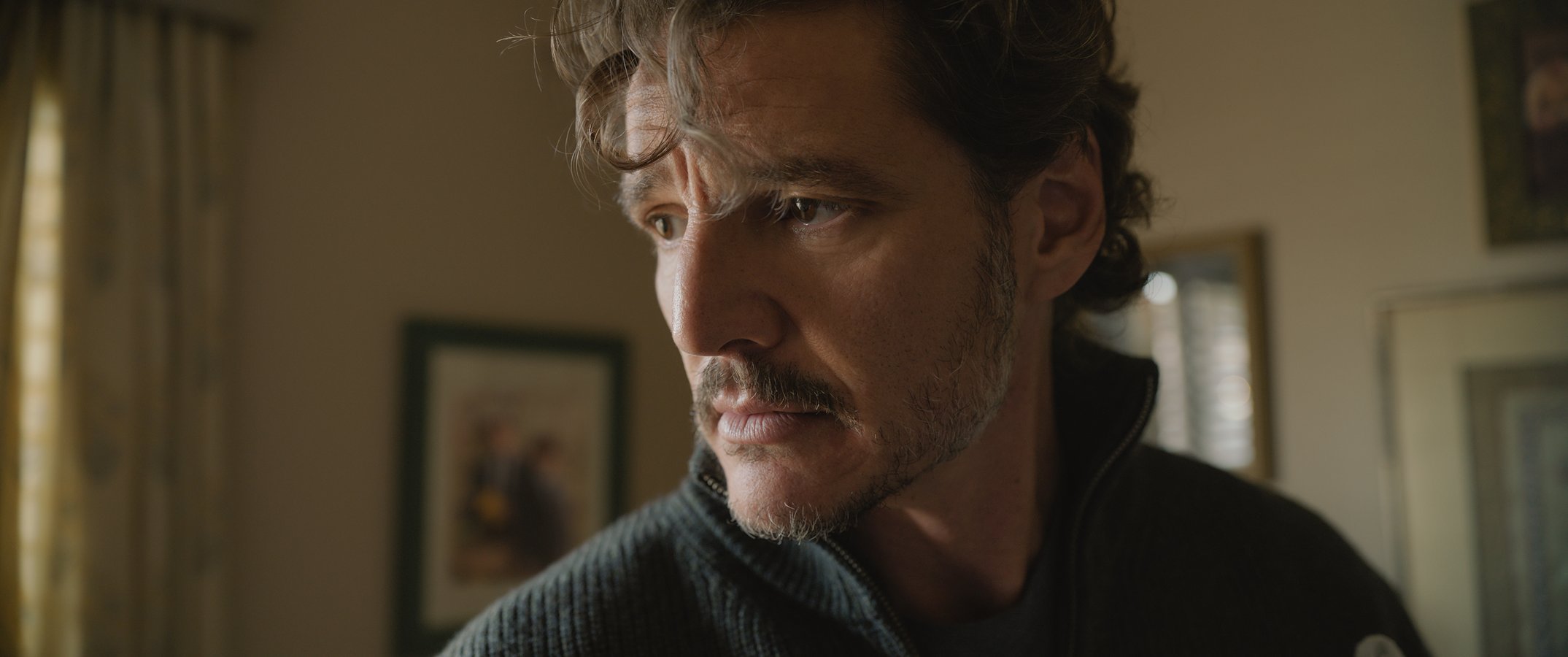

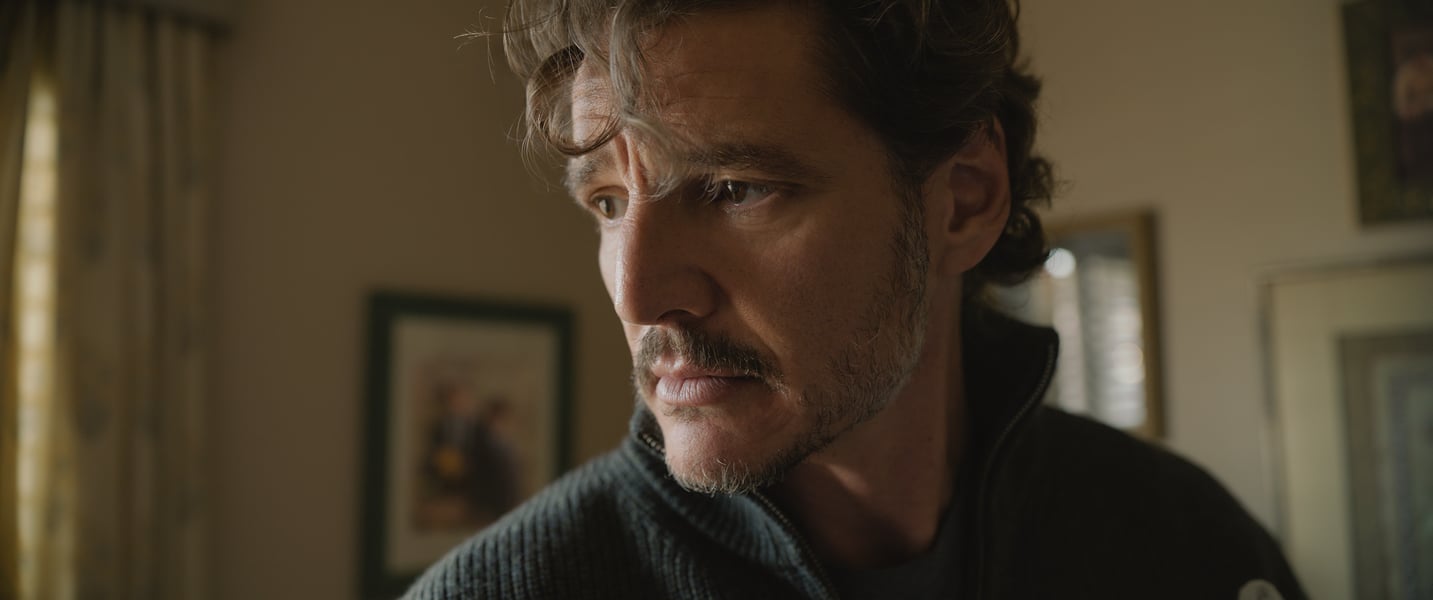
NEW YORK – Tony Gilroy’s new feature film opens on a musician in crisis. Pedro Pascal plays a cellist who has abandoned the Chicago Symphony Orchestra, circumstances undisclosed, departure already made. The music does not stop. It relocates. What follows that relocation forms the architecture of Behemoth!, which the New York Film Festival announced Tuesday as the Centerpiece of its 64th edition, bringing Searchlight Pictures and one of the industry’s most unpredictable directors back to Lincoln Center in the clearest possible way.
Gilroy’s return to feature filmmaking lands after more than a decade away from theatrical releases. His last feature, The Bourne Legacy in 2012, preceded a career turn into prestige television that produced Andor, the Emmy-nominated Disney+ series set in the Star Wars universe. That show, which Gilroy created and largely directed across two seasons, became a rare thing inside a franchise framework: a political drama, a study in institutional decay, a work that functioned on its own terms. Behemoth! represents his reentry into cinema, and the selection committee at NYFF has centered the 64th festival on it.
The festival’s description of the film offers almost nothing about plot. “A thundering, savvy tribute to the power of music,” the selection committee wrote, as Hollywood Reporter reported. That phrase names a subject and a sensibility, but declines to name characters, stakes, or trajectory. What drives Pascal’s cellist from the Chicago orchestra, what the title’s exclamation mark refers to, and where the film places its emotional weight are not yet on record.
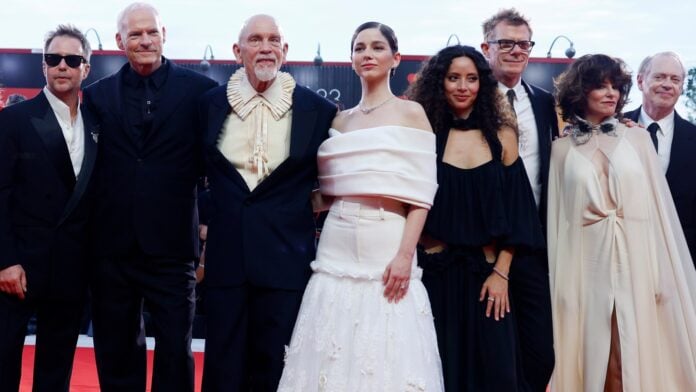
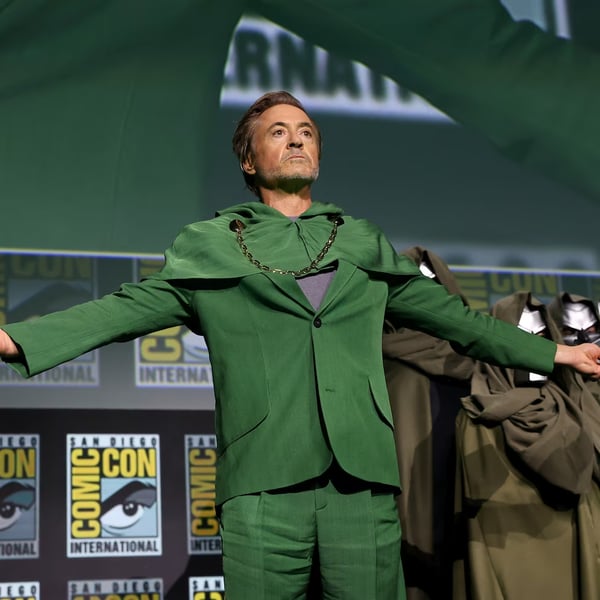
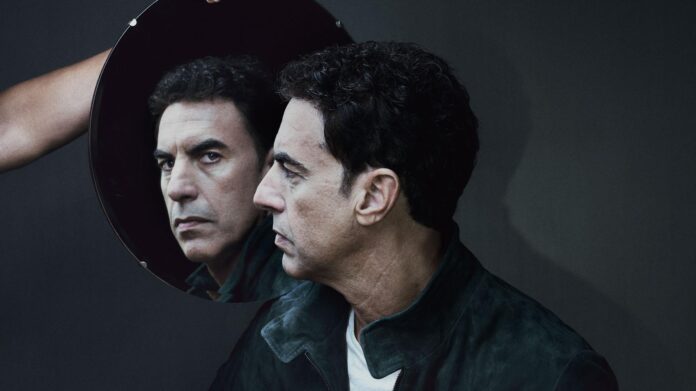
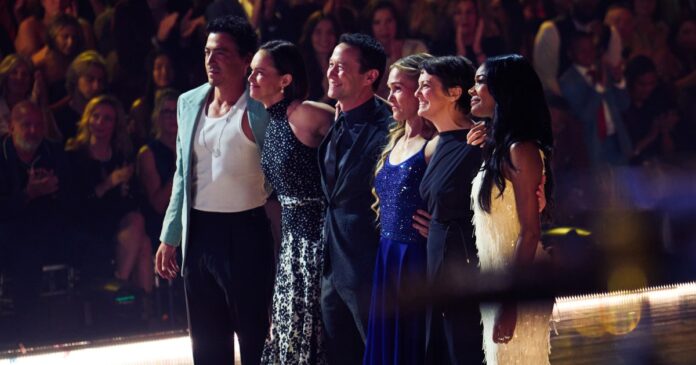
The ensemble Gilroy has built around Pascal is not modest. Eva Victor, Alexa Swinton, Kaya Ralls, Erik Griffin and JoBeth Williams share the principal cast alongside Margarita Levieva, Hank Azaria, Olivia Wilde and Will Arnett. The combination of established character actors, rising performers and comedic presences suggests a screenplay with differentiated parts rather than a chamber piece. What each of them plays in relation to a cellist in exile from the Chicago Symphony is, for now, one of the film’s more compelling undisclosed facts.
Gilroy is unusual in the current landscape in that his career has risen through both cinema and television without settling into a genre. Michael Clayton, his debut feature in 2007, earned an Academy Award for Tilda Swinton and a best original screenplay nomination for Gilroy himself. Duplicity followed in 2009. The Bourne Legacy in 2012 was a franchise extension rather than an original, a different kind of assignment, and then the decade turned toward Andor and the question of what Gilroy was doing with his storytelling ambitions inside a studio IP context. Behemoth! is the answer to a different question: what those ambitions look like when they are not constrained by an existing universe.
The NYFF Centerpiece designation has its own logic. The position is awarded to a film where subject matter, filmmaker stature and the particular moment of reception are most likely to intersect, and it carries specific industry weight that differs from a competition slot or a sidebar selection. Past Centerpiece films have included works that went on to dominate their awards seasons. The designation does not predict any specific outcome. It signals that the selection committee believes this is the moment the film is meant to enter the conversation, and Searchlight has scheduled December 4 as the moment the general audience is meant to receive it.
The December release date is a statement of its own. Studios that position films in that window are communicating confidence in the material and the release strategy. Searchlight, whose recent record includes producing prestige contenders and Best Picture winners, is choosing not to hide Behemoth! in an earlier window. The world premiere at Lincoln Center followed by the December theatrical date is a specific playbook, and it is one associated with films assembled to compete during the awards cycle.
The 64th New York Film Festival runs September 25 through October 12, with the Centerpiece screening typically taking place in the first week. As Powell’s Lou Gehrig biopic at Universal demonstrates, the fall season has become unusually competitive for director-driven prestige projects seeking theatrical anchoring before an awards campaign. Gilroy’s reentry into that competition carries the specific gravity of someone who has already won at this level and is returning with something he has not tried before.
Music has not been Gilroy’s subject before. His previous work has focused on institutional power, on the mechanics of control inside corporate, intelligence and military frameworks. A film centered on a classical musician’s departure from a major American orchestra is a different kind of investigation, even if the anatomy of institutions, exits and the decisions people make inside them remains available as subject matter regardless of the setting. Whether Behemoth! draws on that through line or abandons it for something else entirely is among the questions the film has not yet answered.
Earlier this summer, Foster’s comments on AI in filmmaking at the Aspen Ideas Festival pressed on a question the industry has struggled to answer cleanly: what constitutes authorship in a moment when structural predictability is becoming difficult to distinguish from algorithmic output. Gilroy’s arrival at NYFF64 with a film about a musician who has chosen to leave raises a different version of that question. The cellist has exited an institution. The film has not yet explained on what terms, or what comes next.
The full NYFF64 program beyond the Centerpiece has not yet been announced. Behemoth! will screen at Alice Tully Hall at Lincoln Center. What the film actually contains, the argument it makes about music, about its protagonist’s departure from the Chicago Symphony, and about the title’s particular intensity, arrives in roughly eight weeks. Searchlight’s December 4 date follows six weeks after that.