
LEBANON, Tenn. — The $700 million experiment to modernize Cracker Barrel ended Wednesday with a $4.6 million severance package and a private security detail for the chief executive who ran it. Julie Masino, who became CEO in November 2023, will leave the company on August 10. She will remain in an advisory role through October 9 and receive severance payments over two years. The security coverage — described by the company as “protective services for a reasonable period of time” following her advisory role — is an unusual component of a departure agreement for a restaurant chain’s outgoing CEO.
Cracker Barrel’s board installed Masino to reverse years of declining traffic at a chain that serves 660 locations across 45 states. The revitalization strategy she brought involved changes that reached into the brand’s identity: the logo was modified to remove the words “old timer,” menus were updated, dining rooms were decluttered, and pricing was adjusted. The changes generated customer backlash that manifested in the company’s results. Third-quarter comparable store sales declined 2.6 percent. Traffic fell 6.7 percent year-over-year. Cracker Barrel eventually reversed course on several of the rebranding elements, returning to its original logo and restoring menu items that had been removed.
The board appointed David Deno as Masino’s successor. Deno previously served as CEO of Bloomin’ Brands, the parent company of Outback Steakhouse and Carrabba’s Italian Grill. His background is in casual dining chains with established brand identities — a profile that signals the board’s current strategic priority is stabilization rather than transformation.
Cracker Barrel stock rose 5.09 percent on Wednesday, gaining $2.74 to close at $56.55. The market’s reaction to a CEO departure represents an implicit verdict on the strategy she was executing: investors concluded that ending the rebranding experiment was worth more than continuing it. The stock’s move also reflects expectations around what Deno might do differently — returning the company to core positioning rather than pursuing the demographic expansion Masino had targeted.
Carl Berquist, Cracker Barrel’s independent board chairman, said in a statement that the board appreciated Masino’s “leadership and commitment” while emphasizing the company’s focus on “a smooth leadership transition” that prioritizes guests and employees. The statement did not reference the rebranding effort or the traffic decline, which is characteristic of corporate departure language designed to avoid characterizing the departure as a failure while not obscuring that the strategy changed.
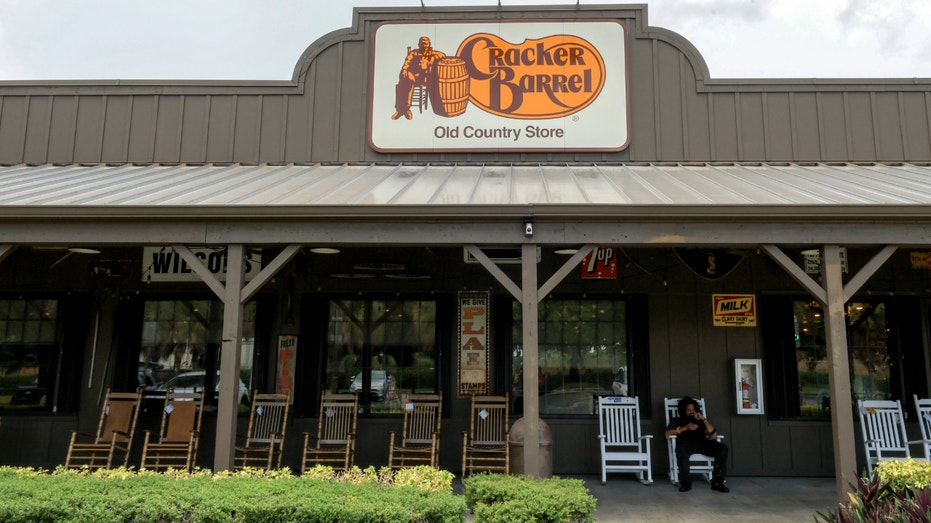
The specific logic of the Cracker Barrel rebranding problem is worth examining because it is not unique to this chain. Many restaurant brands with loyal, older core customer bases have attempted to expand their audience by updating their visual and menu identity, and many have encountered the same dynamic: the changes that are intended to attract new customers alienate the existing base without necessarily converting the targeted new demographic. Cracker Barrel’s core customer has a specific relationship to the chain’s nostalgic positioning — the general store aesthetic, the rocking chairs, the country-kitchen menu. Removing “old timer” from the logo was a legible signal to that customer that the company was embarrassed by what they liked about it.
The consumer discretionary sector has seen multiple brand identity crises in 2026, as companies that built loyal followings on distinctive positioning have attempted modernization strategies that eroded the very characteristics that made them defensible. The pattern is consistent: a new CEO with a mandate to attract younger or more urban customers implements changes that read as rejection of the existing customer base, traffic declines because the existing customers notice, and the board eventually resets to a management team willing to serve the core audience the company actually has rather than the audience it was trying to acquire.
Cracker Barrel’s situation carries one unusual element: the private security component of Masino’s departure package. The company offered no explanation for why protective services were deemed necessary for a departing restaurant chain CEO. The inclusion suggests Masino may have faced threats or harassment — a possibility consistent with the volume of customer backlash the rebrand generated on social media — but neither the company nor Masino’s representatives addressed the security arrangement directly. It is a detail that sits in the departure agreement without context.
What the leadership transition does not immediately resolve: whether the $700 million in capital spent on the rebranding can be recovered through traffic recovery, whether the core customer base who felt alienated by the changes will return, and whether David Deno’s casual-dining background is the right toolkit for a concept that occupies a different cultural position than the chains he previously ran. Cracker Barrel is not a casual dining restaurant in the conventional sense; it is a nostalgia brand with a retail store attached to every location. Running it well requires understanding what customers are buying when they choose it — and the last three years demonstrated that the previous management team underestimated how central that understanding is to the business.