
NEW YORK — Crunchyroll grew from 5 million subscribers to 21 million in four years under Sony’s ownership. On Tuesday, that growth trajectory hit an inflection point.
The anime streamer and Starz launched a joint bundle through Prime Video offering both services for $16.99 a month, marking Crunchyroll’s first traditional streaming bundle in the United States and undercutting standalone subscriptions by more than 23 percent. For Amazon, it is the latest step in the company’s effort to position Prime Video as the dominant aggregation layer in American streaming.
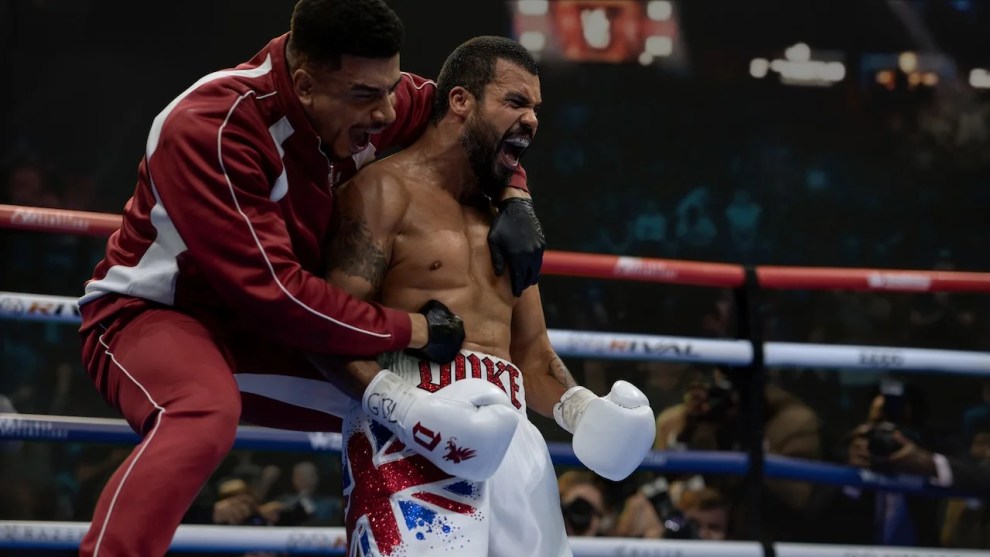
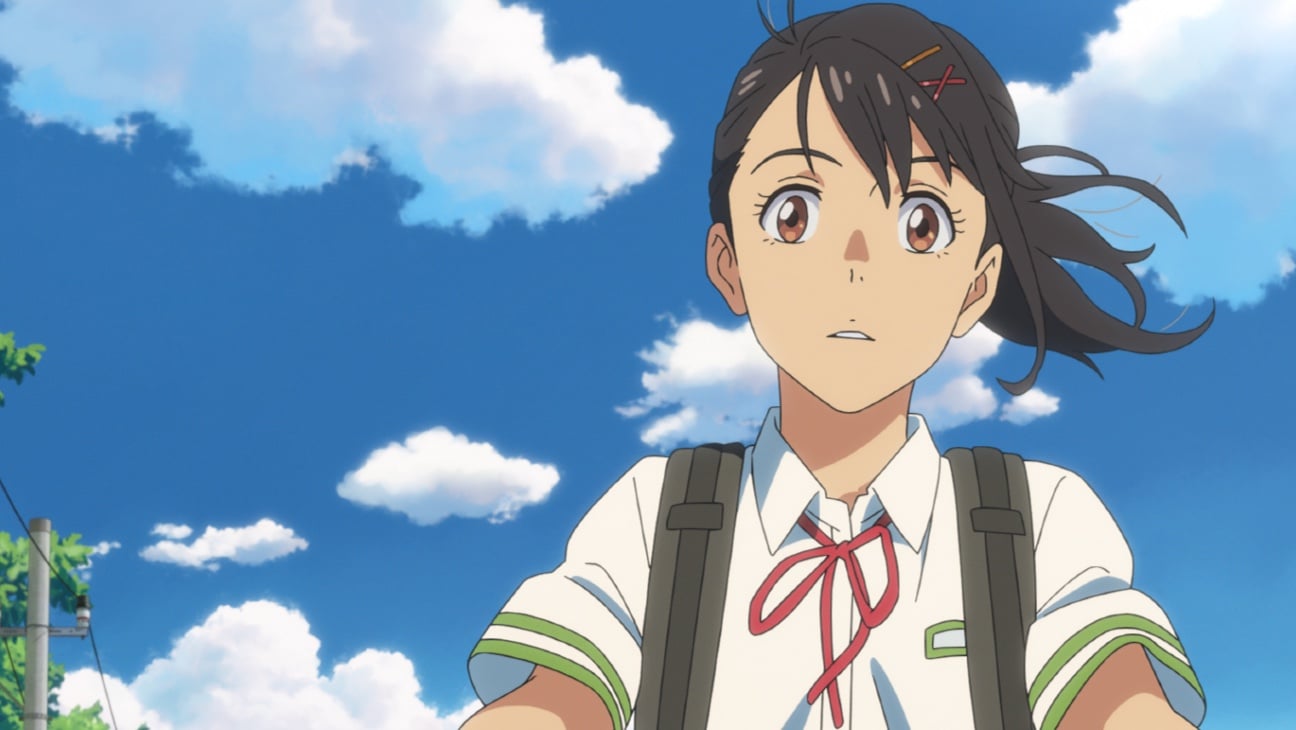
The timing is not incidental. Starz brings two premieres within days of the deal’s launch: “Fightland,” a British boxing drama debuting July 31, and the series finale of “Power Book III: Raising Kanan” on August 7, the capstone of a franchise Starz has built across multiple spinoffs over more than a decade. Crunchyroll counters with a dense August slate including a third season of “Mushoku Tensei: Jobless Reincarnation” and the debut of “Black Torch,” alongside catalog titles including Dragon Ball, Naruto, My Hero Academia, Fullmetal Alchemist: Brotherhood and Cowboy Bebop that have anchored the mainstream expansion of anime in the English-language market.
The pairing works because neither service occupies the same demographic territory. Starz built its subscriber base on prestige drama and female-driven narratives; Crunchyroll drew a younger, digitally native audience that discovered anime through social platforms rather than linear television. The two catalogs do not meaningfully overlap, and that non-overlap is the commercial logic of the bundle.
“This bundle with Crunchyroll and Prime Video enables us to broaden our reach and introduce the Starz slate of premium programming to new viewers,” Alison Hoffman, president of Starz Networks, said in the companies’ announcement. Crunchyroll Chief Product Officer Terry Li characterized the deal in similar terms: “This launch is a meaningful step in expanding how fans can discover and connect with the series they love, while opening the door for even more viewers to experience the breadth of anime storytelling.”
The deal positions Crunchyroll alongside more established bundle partners. Starz already aggregates through Prime Video alongside HBO Max, BET+, MGM+, and AMC+, and Crunchyroll’s addition extends that hub into anime, as The Hollywood Reporter noted. The practical result is that Prime Video’s existing subscriber base becomes a potential conversion funnel for users who have not sought anime specifically, while Crunchyroll sidesteps the diminishing returns of marketing to an audience that has already largely signed up.
The deal arrives as subscription bundles have become the industry’s primary answer to what analysts describe as subscriber saturation. Netflix crossed 300 million subscribers globally in early 2026 and has since shown the growth slowdown that historically precedes a packaging shift. Smaller services face a starker version of the same problem: in a market with more than a dozen subscription video options, the marginal subscriber is increasingly unwilling to add a new monthly charge for a single catalog, however strong.
The bundle landscape is crowded. Disney aggregates Disney+ with Hulu and ESPN+. Apple TV+ partners with channels through Apple One. Paramount+ sells alongside Showtime. The proliferation reflects a shared calculation: bundling through an established aggregator offloads subscriber acquisition costs onto an existing customer base, making growth economics less punishing for smaller platforms unable to match Netflix’s marketing scale.
Sony acquired Crunchyroll from AT&T in 2021 for approximately $1.175 billion, folding it into Sony Pictures Entertainment alongside the Funimation library. The consolidation left Crunchyroll as the dominant English-language anime platform with a catalog spanning decades of Japanese animation. The 21 million subscribers it has since accumulated represent the largest dedicated anime audience in the Western market, more than quadrupling the 5 million Sony inherited at acquisition. What Tuesday’s deal acknowledges implicitly is that the next growth phase will not arrive through the same organic channel.
Starz ended 2025 with 17.6 million subscribers. Its aggregation strategy through Prime Video has been among the more active in the industry, pairing successively with HBO Max, BET+, and AMC+ before adding Crunchyroll. Matt Huntley, director of U.S. Channels for Prime Video, described the bundle as consistent with Amazon’s broader value proposition. “Prime Video is making it seamless for customers to access the entertainment they want, all in one place,” Huntley said. The framing captures Amazon’s structural advantage: not original content dominance, but aggregation at scale.
What the deal does not resolve is whether a 23 percent discount is durable in a market where subscribers have learned to cycle in and out of services around specific content releases. Price has proven sufficient to drive sign-ups and insufficient on its own to sustain retention. The Crunchyroll-Starz bundle lands with a well-timed content calendar in August. Whether that calendar extends the subscription past the first billing cycle, what the revenue split looks like between the three parties, and whether this arrangement deepens Sony’s relationship with Amazon or signals something more structurally significant are questions both companies left unanswered on Tuesday.