
DETROIT – The summer salad that once made Michigan doctors confident they were promoting good public health has sickened nearly 10,000 people in the state this season, put 160 in the hospital, and left the state’s top health official unable to say, on Tuesday, whether the worst is over. The question was direct. The answer was not.
More than 18,000 Americans have now been confirmed or suspected sick with cyclosporiasis, a parasitic intestinal disease caused by the microscopic organism Cyclospora cayetanensis, in what public health officials are calling the largest outbreak of its kind in U.S. history. The infection traces to shredded iceberg lettuce processed by Taylor Farms de Mexico, which was voluntarily pulled from U.S. retail shelves last week. But a second outbreak, with a still-unidentified food source, is running simultaneously. The two investigations together expose something beyond a product recall: a federal surveillance system that cannot track a parasitic contamination in real time.
Taylor Farms de Mexico’s voluntary recall removed the implicated lettuce from shelves in the nine states where the CDC has formally linked cases to a common source: Michigan, Ohio, Illinois, Kansas, Oklahoma, Pennsylvania, Indiana, Kentucky, and West Virginia. The affected shredded iceberg lettuce had already been distributed through restaurant supply chains before the recall was initiated. Taco Bell removed the product from outlets in five states before federal agencies publicly named the supplier, citing supply chain precautions after early case clusters pointed toward its salad ingredient sources.
The outbreak moved in two distinct pulses. Michigan’s data shows illness peaks in the week of June 21 and again in the week of July 5, a pattern consistent with two separate batches of contaminated product reaching consumers rather than a single shipment. Each wave meant a fresh cohort of patients falling sick while the previous wave was still recovering. Cyclospora causes persistent watery diarrhea, fatigue, cramping, and nausea that can last weeks without antibiotic treatment, and in the immunocompromised or elderly, it can produce complications serious enough to require hospital care.
What the CDC knows about the outbreak’s trajectory has arrived weeks behind the illness itself, because the agency lacks the genetic sequencing capacity to connect cases as they appear in real time. The standard traceback procedure requires state health departments to complete patient interviews, confirm laboratory results, and match illness patterns across state lines before the CDC can formally link cases. That process takes weeks. By the time an outbreak is formally declared, the contaminated product has usually already been consumed. “We’re getting more complete case data that covers the range of the outbreak,” Gwen Biggerstaff, the CDC’s deputy director, told NBC News this week. “States are completing interviews with people, and we’re filling in the data.” In a summer when 18,000 people have been sickened, that description of the process is also a description of its limits.
Frank Yiannas, who served as the FDA’s deputy commissioner for food policy for five years before leaving in 2023, told NBC News this week that the outbreak’s scope suggests the lettuce is not the only problem. “If all the lettuce is pulled from the market, consumers should not be surprised that they continue to see states report illnesses, and they identify food vehicles other than lettuce,” Yiannas said. North Carolina’s investigation, which has now identified 561 cases, has pointed toward parsley and cilantro as possible additional vectors in the state. Those herbs share irrigation networks and seasonal labor pools with leafy greens but travel through entirely different packaging and distribution chains, meaning a cilantro contamination event would require a separate traceback investigation from scratch. The FDA has said it has initiated that second traceback. It has not yet said what it found.
The outbreak’s secondary damage is to something harder to recall than a product. A poll conducted July 26 found 40 percent of U.S. adults had reduced their fresh vegetable consumption as a result of the outbreak. Barbara Kowalcyk, a food safety policy researcher at George Washington University who has tracked major U.S. outbreaks for two decades, told NBC News there remains significant uncertainty in the investigation. “There’s still a lot that we don’t know,” she said. The gap between what investigators know and what the public needs to know to make daily food choices is, this summer, wide enough to change what millions of Americans put on their plates.
In Michigan, the slowdown is real but its cause is contested. Dr. Natasha Bagdasarian, the state’s chief medical executive, said Tuesday that new case reports had dropped in recent weeks. She declined to attribute the decline to the Taylor Farms recall. “I don’t know if a single product recall is related to the slowdown that we’ve seen,” Bagdasarian said. The caution is warranted: if Yiannas is right that more than one product is involved, a lettuce recall may reduce but not eliminate new cases, and any apparent slowdown could mask a shift in the contamination’s food vehicle rather than its end.
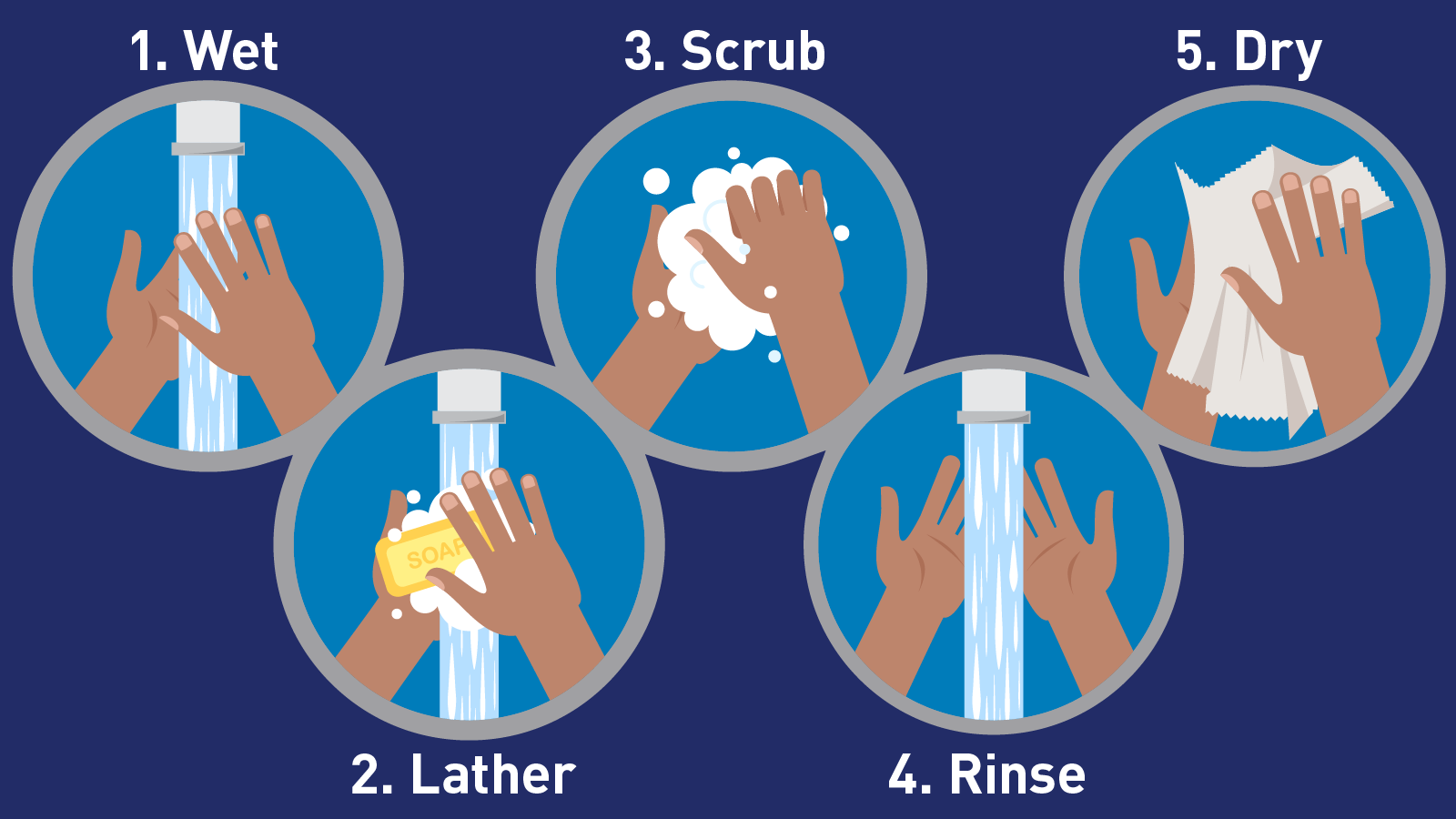
The FDA said its investigation into the second outbreak is active and ongoing. It has not named a food source. It has not provided a timeline. In the meantime, washing fresh produce thoroughly under running water reduces but does not eliminate exposure to Cyclospora cayetanensis. The parasite survives standard washing and cannot be detected by routine food safety testing. Whether this summer’s outbreak has peaked or shifted, the parasite is still in the supply chain somewhere. Federal investigators are still working out where.