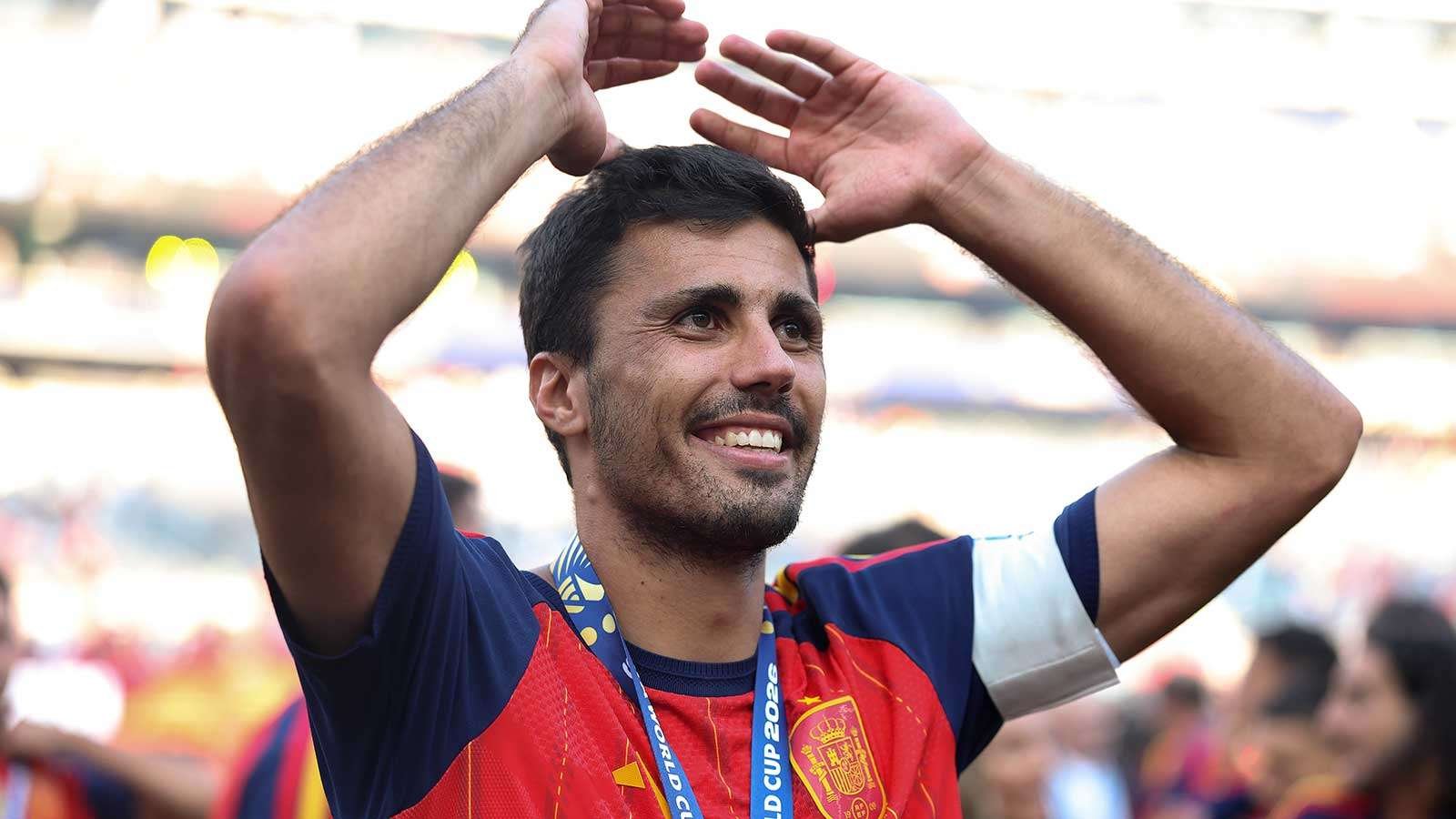

MADRID – The call from Paris came. So did the one from Barcelona. Rodri heard both out and said no. When Real Madrid reached out, the answer was different. That shift has placed one of European football’s most consequential summer negotiations on a collision course between two clubs with no particular reason to make each other’s summer easy.
The Spain midfielder, who anchored Manchester City’s four consecutive Premier League title runs and won the Ballon d’Or in 2024, has identified the Santiago Bernabéu as his next destination, according to Goal.com. Real Madrid have opened formal talks with Manchester City. Those talks have run into what multiple reports describe only as a “serious problem,” with neither side prepared to characterize the sticking point publicly.
The result is a transfer story sitting in a peculiar place: the player has decided, the destination is known, and the fee framework has not moved.
Rodri, 30, spent seven years at the Etihad Stadium after arriving from Atletico Madrid for £62.8 million in 2019. He won four Premier League titles, the Champions League, and the 2024 Ballon d’Or across that stretch. He won the 2026 World Cup with Spain in Los Angeles last month, his finest performance in a national team shirt that had already delivered a European Championship two years earlier. That combination of club dominance and international excellence is what made Real Madrid’s interest something more than a rumor and something less than a completed transfer.
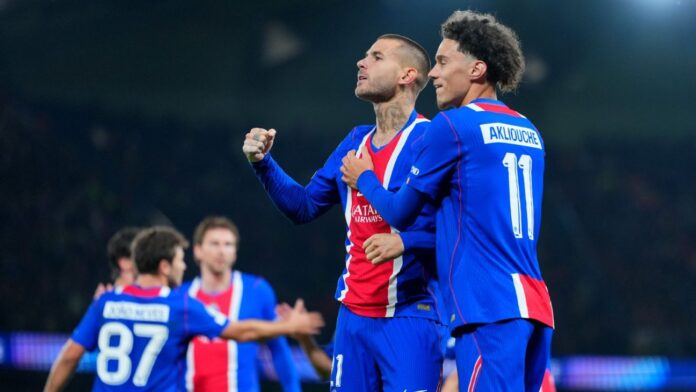
They engaged. PSG, rebuilding in the post-Kylian Mbappe years around Ousmane Dembele and Joao Neves, also made contact. Barcelona, perennially present in discussions about Spanish midfielders of this caliber despite their financial constraints, did the same. Rodri’s response to both, Goal.com reported, was an unambiguous preference for waiting on Real Madrid above the alternatives on offer.
That preference has not simplified the negotiations between the clubs.
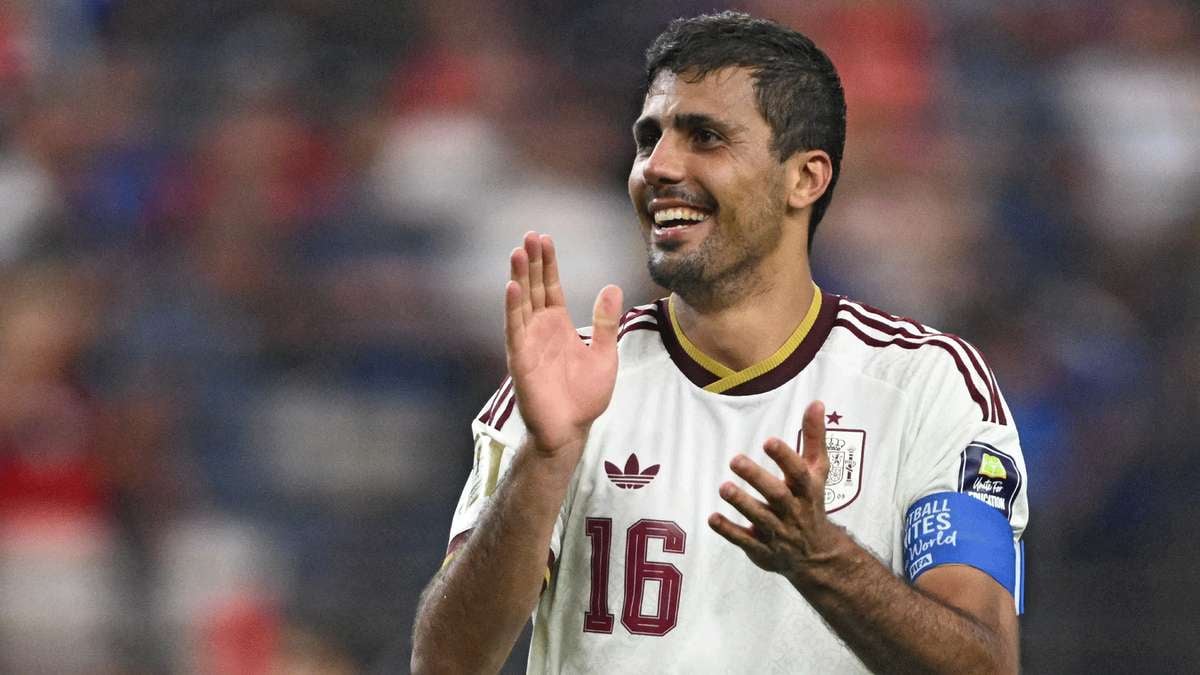
Sky Sports reported Wednesday that Real Madrid’s pursuit has generated a pointed question at Manchester City: how will new manager Enzo Maresca cope if the Premier League’s best central midfielder actually departs? Maresca inherited the job from Pep Guardiola with an understanding that the squad he received was largely the squad he would use. Rodri was the operating system of the last four title-winning sides, the platform on which Guardiola’s positional football ran. When Rodri suffered a serious knee ligament injury in September 2024, City finished fourth. That correlation was noticed by everyone who covers the club.
Nobody at City has confirmed that a fee has been agreed, that Rodri has submitted a formal transfer request, or that any deadline exists on these discussions. Whether it involves the initial fee, sell-on clauses, payment structure, or something else entirely, the stalling point has not been disclosed by either club. What is confirmed is that Real Madrid opened formal talks. What remains unknown is how far apart the clubs actually are, and what would close that gap.
A midfielder of Rodri’s standing does not move for a nominal figure. He is 30, but the market’s appetite for established elite midfielders has shown little regard for age-based discounting when the player in question carries a recent Ballon d’Or and a World Cup winner’s medal from the summer just passed. Any fee Manchester City demands will likely begin north of £100 million, though no club has attached an official valuation to the conversation.
The broader summer context is one of persistent deadlock between clubs that know what they want and cannot agree on what it costs. Liverpool are pursuing PSG winger Bradley Barcola in a negotiation that has stalled on a £45 million gap between what the English club has offered and what the French one is asking, as The Eastern Herald reported Wednesday. The transfer window’s recurring theme this summer is the same across multiple negotiations: the player’s preference is clear, the destination is agreed in principle, and the clubs are the wall nobody has yet found a way over.
For Rodri, there is a practical clock running alongside the negotiating one. The Premier League season opens in mid-August. Manchester City’s pre-season under Maresca is already underway. Every week Rodri spends at the Etihad, in training, in friendlies, in tactical meetings, is a week Maresca either builds his system around him or models an approach that can function without him. He cannot credibly do both at once.
Real Madrid’s need is less urgent but no less genuine. The club’s midfield, anchored by Jude Bellingham, Federico Valverde, and Aurelien Tchouameni, is elite in attacking transition but has lacked the kind of ball-winning presence that controls possession tempo in the way Rodri does for City and for Luis de la Fuente’s Spain. The signing would address a structural position while adding a player whose World Cup profile gives Madrid a commercial story to accompany the tactical one.
What happens next depends on what “serious problem” actually means in this context. If it is a fee disagreement of twenty or thirty million pounds, it is the kind of gap summer transfer windows have a habit of closing under deadline pressure. If it is something more structural, a reluctance to sell to a direct competitor, a clause on sell-on equity, or a disagreement on payment timelines, the path is less clear and less predictable. Neither club has given any indication of which category applies.
Rodri chose Real Madrid. He made that choice clear by saying no to two clubs that, in most summers, would have been considered credible destinations for a player of his standing. Whether that preference carries enough weight to move Manchester City is the question nobody outside the negotiating rooms can answer yet.