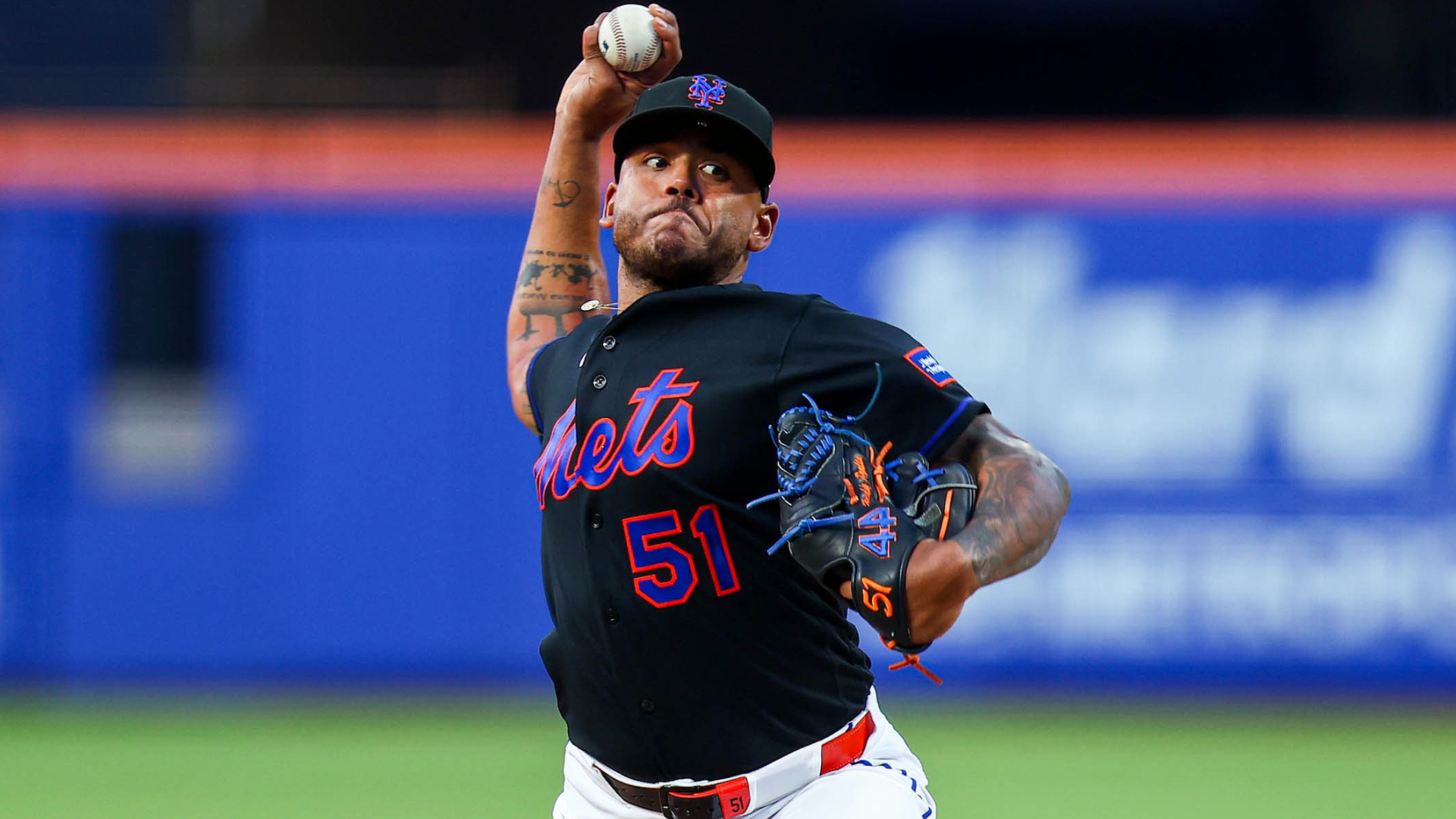

ATLANTA — Chris Sale turned 38 in March. He has been Atlanta’s most reliable starting pitcher for nearly two full seasons. And as of this week, with the August 3 trade deadline four days away and two of the Braves’ best starters sidelined, he is the only arm in their rotation that any manager would trust in a playoff game.
That is the starting point for every conversation Alex Anthopoulos is having right now.
The Braves general manager has built one of the game’s deepest rosters. Their farm system rivals what it looked like during the 2015-17 rebuild. Jurickson Profar’s suspension freed more than $15 million in payroll space. The core, when everyone is healthy, stretches from Ronald Acuña Jr. in center field to Sale on the mound. What it does not have, right now, is a second starting pitcher worth trusting when a series reaches game four.
Spencer Strider, the right-hander who was supposed to be that pitcher, landed on the 60-day injured list after leaving a June 12 start with elbow inflammation. A visit with Dr. Keith Meister, who performed Strider’s 2024 surgery, turned up no structural damage and no ligament tear. That was the encouraging news. What followed was less so. Reporters covering the team have been told that Strider is done for this season, with his return classified as doubtful at best. Spencer Schwellenbach, who was also expected to stabilize the rotation, has his own uncertain timeline. Behind Chris Sale are young arms working back from injury and inconsistency, none of them ready to pitch when it counts in October.
Over the past 48 games, Atlanta’s starting pitching has produced a 5.24 ERA, according to CBS Sports. For a team with genuine World Series intentions, that is not just a concern; it is the entire argument for why this deadline matters as much as it does.
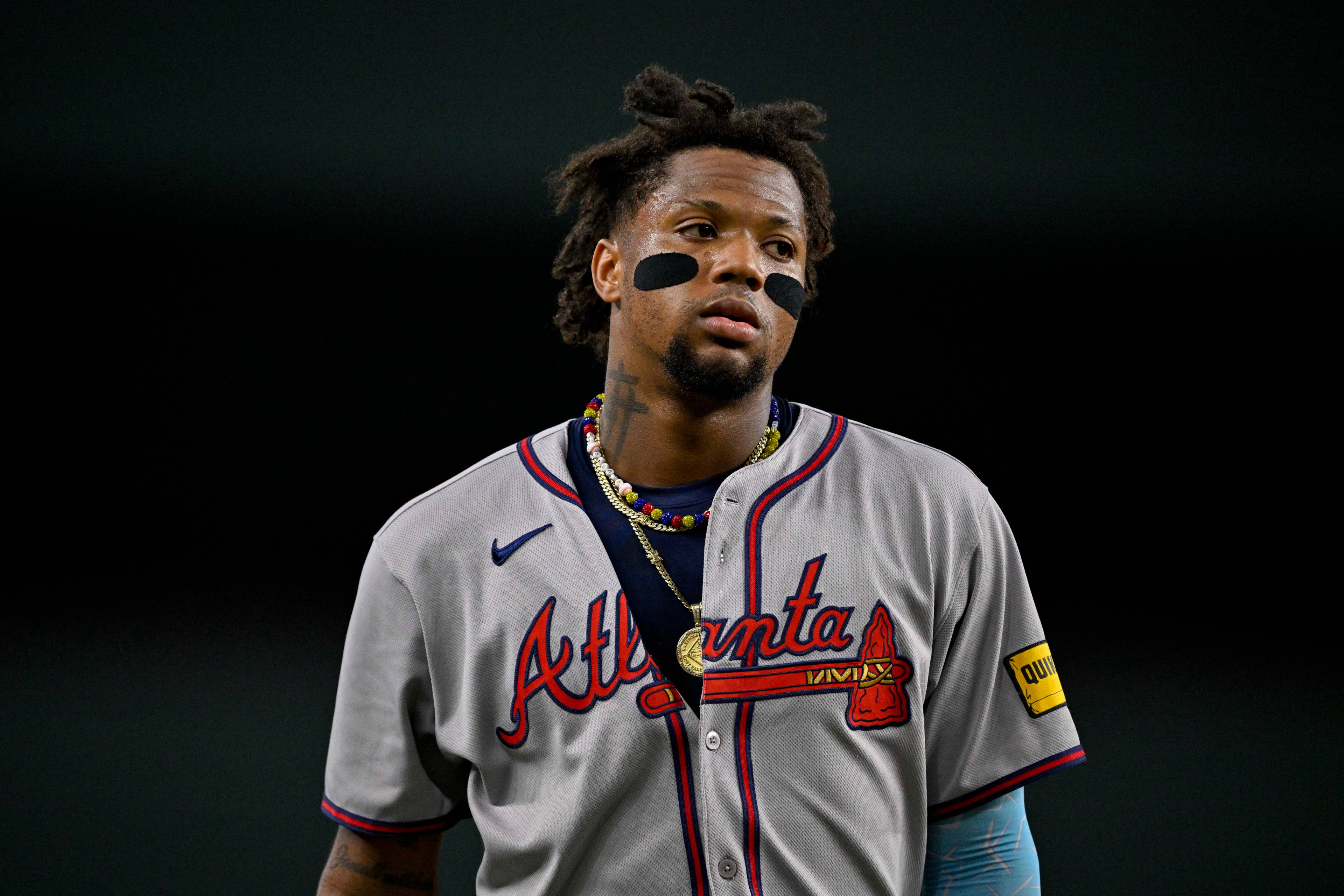
Acuña, at least, is back. The 28-year-old outfielder missed 42 games after aggravating a left hamstring strain on June 9, the same muscle he first strained on May 2, while running out a ground ball against the White Sox. He worked his way through the Braves’ system, driving in five runs during a stint with the Florida Complex League affiliate before advancing to Triple-A Gwinnett. According to Yahoo Sports, he returned to Atlanta’s active roster in late July. His timing is welcome. But Acuña in the lineup does not fix a rotation that cannot get through the sixth inning.
The trade market has moved slowly. Anthopoulos said publicly that he has been working the phones and would jump at the right pitching deal, while making clear he was not going to manufacture a move for appearances. The Braves have spent two months cycling through scenarios that keep shifting as injury timelines change.
The most affordable option is Casey Mize of the Detroit Tigers. The 29-year-old right-hander, a former No. 1 overall pick, has posted a 2.58 ERA with 52 strikeouts in 52 innings across 10 starts this season. At roughly $2 million owed for the rest of the year, he is the kind of low-cost rental that fills a spot without depleting a farm. The more ambitious option is Kevin Gausman, who would immediately become Atlanta’s second-best starter and give them a pitcher to line up behind Sale in a short series. Miami’s Sandy Alcantara, a former Cy Young winner who has pitched deep into games in 13 of his 16 starts this season, is also on the board. Tarik Skubal, Detroit’s ace, sits atop the market for any contender willing to pay the full prospect price, according to Sports Illustrated.
On offense, the Braves have discussed adding a left-handed bat to a lineup that ranks 19th in the majors with a .317 team on-base percentage. Taylor Ward of Baltimore, who carries a career-high .393 on-base percentage and 64 walks in 78 games, fits the profile. Jarren Duran of Boston, under team control through 2028, would be a longer-term addition. Elsewhere on the deadline market, the San Francisco Giants are closing in on moving Luis Arraez, and the Texas Rangers have already begun adding depth from the Angels. The deadline market is moving. Atlanta cannot afford to be the team that waits too long.
What Anthopoulos does with this deadline is something that even people inside the organization cannot fully call. The market has been sluggish. The Braves’ needs, always obvious, have shifted week to week as injury updates arrived. The pitching trade that seemed straightforward in June, plugging a Strider-shaped hole with a reliable No. 2, looks different in late July. That hole may be permanent for this season. The available market offers more rentals than solutions.
The Braves will spend before the 6 p.m. ET deadline on Sunday. The question is whether they spend enough to make Sale’s position feel manageable come October, or just enough to feel better about it through August. In a tight NL East race where no one is standing still, that distinction may be the one that matters most.
Related Posts