
WASHINGTON – The minus-160 arrived in the market before Jakub Mensik had finished unpacking in Washington. Not because the bookmakers are certain. Because they watched what the 20-year-old Czech did to the draw at Roland Garros in June, beating three seeded players on the way to his first Grand Slam semifinal, and decided that Brandon Nakashima at plus-130 is the price you pay for respecting history without fully accounting for what is happening right now.
Mensik meets Nakashima in the second round of the Mubadala Citi Open on Thursday at Fitzgerald Tennis Center, a hard court event that has historically rewarded players who serve well and return faster than the surface invites. The Czech carries the higher ranking, the better recent results, and a betting market that has already declared a winner before the first ball is struck.
Nakashima opened the tournament on Tuesday with a 6-3, 6-4 dismantling of Tomas Martin Etcheverry that lasted one hour and 22 minutes. That number does not appear in the sportsbook analysis. It should. When a player wins a second-round match in 82 minutes on a surface defined by attrition, with a season record of 20 wins and 14 losses, the plus-130 carries a specific kind of credibility: the kind built on competence, not comfort.
Mensik’s path here was less clean. He beat Trevor Svajda in three sets, 6-2, 6-7, 6-3, dropping the second in a tiebreak to a player ranked outside the top 100. That result will not disturb him. It may, however, complicate the assumption that minus-160 reflects something inevitable.
The French Open is the context that explains the line. Mensik reached the semifinal at Roland Garros two months ago, losing to Alexander Zverev in four sets while playing through a stiff neck, and left Paris ranked 12th in the world. His career high, reached in March, sits at No. 12 as well. He turned 20 in September 2025. He is the second-ranked Czech player in a country that has produced more than its share of title contenders across generations, and the question of how far this particular one goes is no longer abstract.
Washington is his second tournament since Wimbledon, where Nakashima, 24 and born in San Diego, also reached the second round. The American carries a career-high ranking of No. 29, set in May of last year, and sits as the sixth-ranked American player this summer. Those numbers locate him precisely: not the American the crowd came to see, but the American the market keeps underestimating.
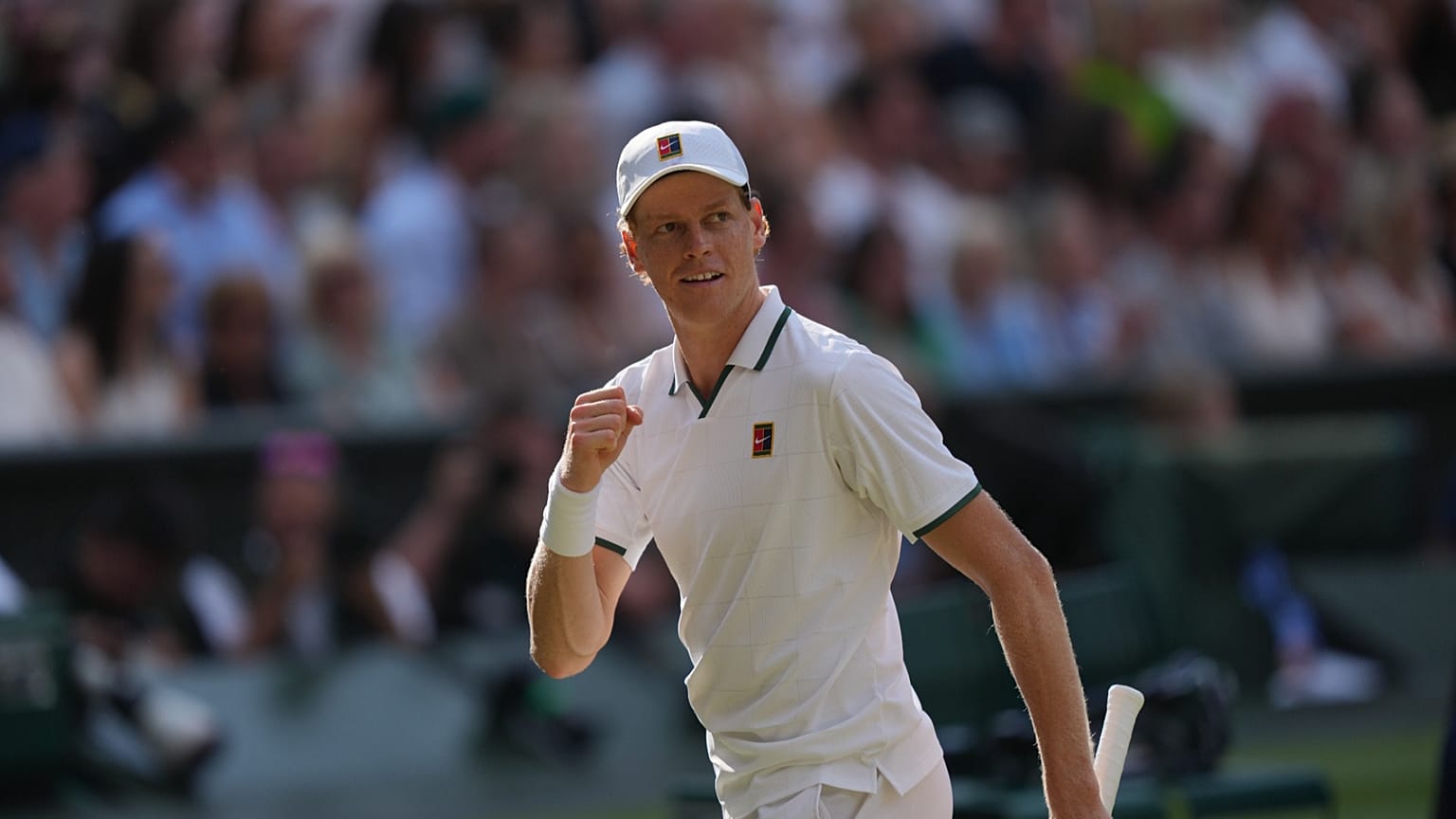
Hard courts in Washington present a different calculus than clay. Roland Garros rewards patience and physicality. The Fitzgerald Tennis Center surface rewards speed through contact and the willingness to take time away from the opponent early in the rally. Mensik’s three-set opening match may suggest he is still adjusting. Nakashima’s clean win suggests he arrived ready.
The tournament context matters. The Mubadala Citi Open draws the American hard court season into focus, with Alex de Minaur, the defending champion, entering as the top seed and the draw already developing storylines across the bracket. ATP Tour records show prize money stands at $2,488,125 for the field. For players positioned like Nakashima, every round has compounding value: points accrued in Washington travel directly into the US Open seeding calculation.
For now, the second round asks a specific question of both players: which one of them shows up with the kind of precision the hard court summer requires, and which one reveals the rough edges that clay and grass obscure.
Mensik is also playing for something specific. The French Open semifinal earned him attention, not status. Status accumulates through the summer, on hard courts, against players who know exactly what minus-160 means and refuse to treat it as settled. Sky Sports reported that the DC Open field has already seen notable exits in the opening round, shaping the draw for those still standing.
What neither player can calculate is momentum. Mensik’s three-set match leaves one open question that the betting line does not answer: how he responds when an opponent takes a set. Nakashima, in his 82-minute opening performance, gave no such opening. The American knew what surface he was on, played to it, and finished.
There is a version of this match in which the minus-160 is entirely correct and the sportsbooks look prescient by the end of the second set. There is another version in which Nakashima does precisely what the plus-130 suggests he might, and the draw opens in a different direction heading into the quarter-final stage.
Which version arrives Thursday in Washington depends on a handful of service games in the first set. Hard courts in summer do not permit extended adjustments. You either find the range quickly, or you spend the rest of the afternoon trying to recover it.