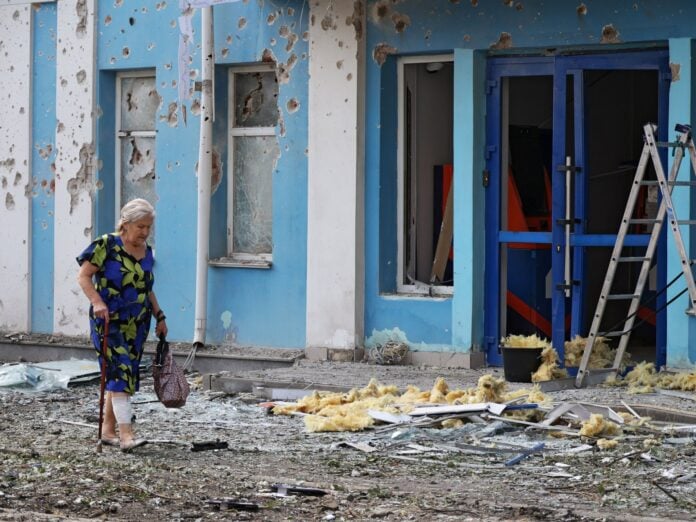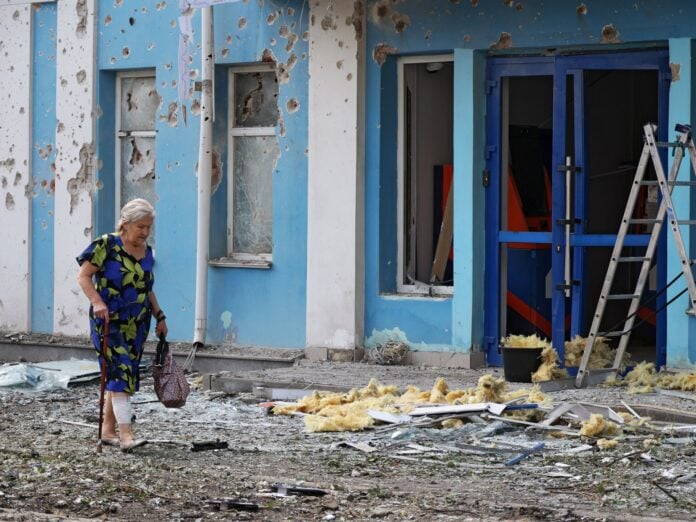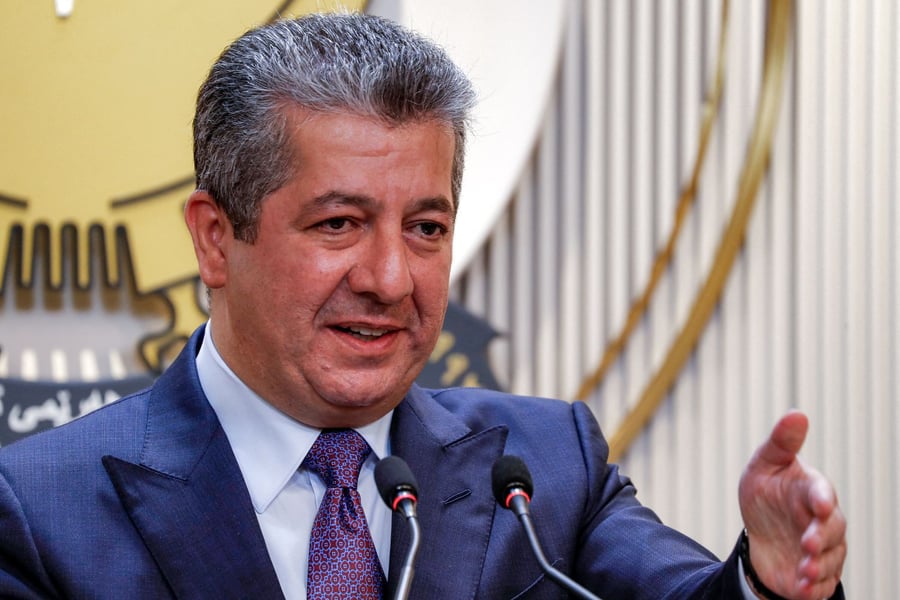

ERBIL — Two drones came in from the Iranian border on Monday and struck the private office of the man who runs Iraq’s Kurdistan Region, along with the residence of his intelligence chief. Nobody was killed. Masrour Barzani called it reckless and unacceptable, and by Wednesday he was explaining to an interviewer why the systems that have been intercepting such things are being packed up.
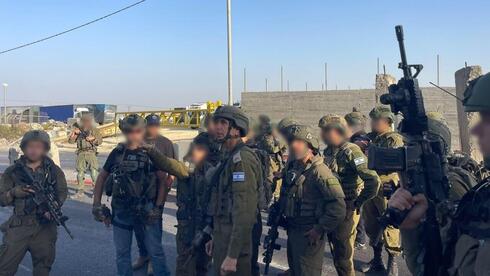
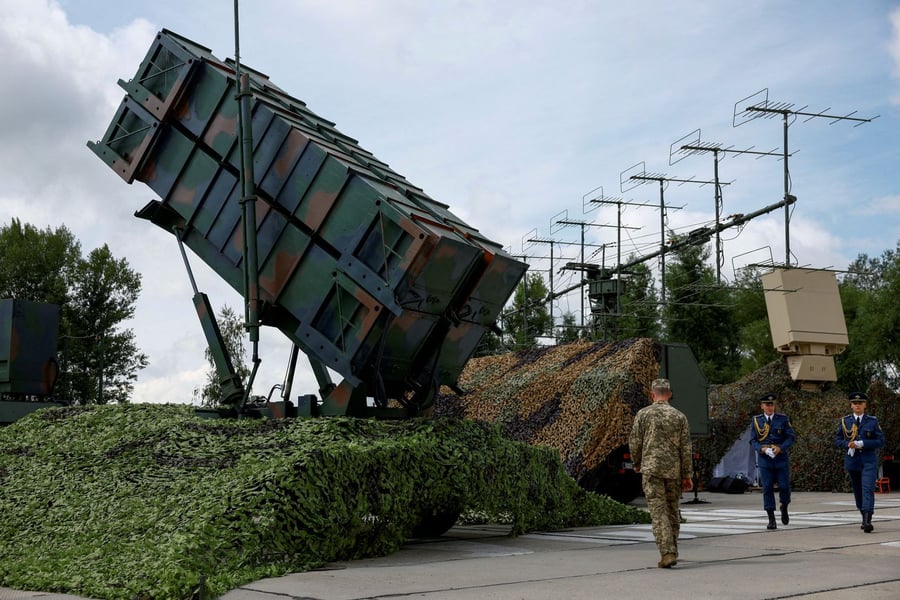
The United States has been removing its Patriot air defence batteries from the Kurdistan Region as it withdraws the last of its forces from Iraq. Al-Monitor first reported in late July that the batteries had already gone, with sources describing the pullout as routine and consistent with the September 30 deadline agreed with Baghdad. Speaking to the same outlet on Wednesday, Barzani said withdrawal of those systems would definitely put the region at risk.
What he wants instead is to buy the capability himself. The region hopes to acquire air defence systems, early warning, anti-drone equipment and what he termed some sort of defensive capabilities, so that it can protect not only itself but everybody who lives in Kurdistan. Negotiations with Washington are continuing, and he used the interview to call on all of the region’s friends to help build those capabilities.
The scale of what those systems have been absorbing is the part that gives the request its weight. Barzani said the region has endured more than 1,000 attacks over the period, aimed not only at American bases but at Kurdish infrastructure, the energy sector and Kurdish bases, and that American air defences intercepted most of what came in. Monday’s drones were identified as Iranian-made Hadid-110s. They reached their targets.
That is the uncomfortable detail sitting underneath the interview. The strike that prompted the warning about losing Patriot cover happened after that cover had already been removed, against two of the addresses in the region with the strongest claim on protection. Eastern Herald reported at the time that the drones struck on the same day the US-Iran ceasefire expired without renewal, and no party claimed them.
Tehran’s account of Monday points in an unexpected direction. Iranian Foreign Minister Abbas Araghchi telephoned his Iraqi counterpart Fuad Hussein on August 17 and described the incident as a terrorist attack, and the foreign ministry spokesman Esmaeil Baghaei restated Iran’s commitment to friendly relations with Iraq and with its Kurdish autonomous region. Drones launched from the Iranian border, of Iranian manufacture, condemned by Iran as terrorism. The statement does not identify who Tehran believes fired them.
The Kurdistan Region has spent two decades as the part of Iraq where American forces were most welcome and most useful, and its security architecture was built on the assumption that they would stay. The drawdown now finishing began with the handover of the big western bases, a process Eastern Herald covered when troops started leaving Ain al-Asad and the facilities near Baghdad airport a year ago. Those were decisions taken in Washington and Baghdad about the American presence in Iraq as a whole. Erbil is not a party to them and is asking to be compensated for their consequences with hardware.
Whether it gets any is unresolved. Barzani said the region has been asking the United States for adequate air defences against incoming drones and missiles, and that talks are ongoing, which is a description of a request rather than an outcome. There is no public indication of what Washington has offered, whether the Kurdistan Regional Government could legally purchase such systems independently of Baghdad, or who would operate and sustain them. The federal government’s position on an autonomous region acquiring its own integrated air defence has not been stated.
What is established is the timetable. The last of the American forces are due out by the end of September. The Patriots went first.