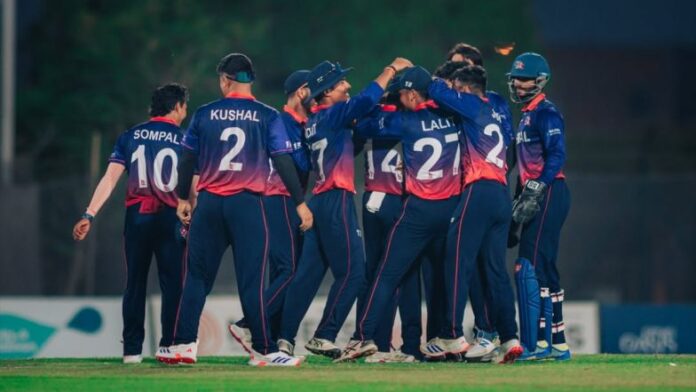

AHMEDABAD — Jasprit Bumrah bowled four overs in the T20 World Cup final and conceded fifteen runs. New Zealand had reached the final by beating South Africa with the fastest century in the tournament’s history, and five days later they were bowled out for 159 in a stadium holding more than a hundred thousand people. India won by 96 runs.
The india national cricket team vs new zealand national cricket team match scorecard from 8 March 2026 reads as a rout, and the tournament that preceded it did not. New Zealand had been the better side for most of a fortnight. What the final settled was narrower than the margin suggests: on a surface offering nothing, India had a bowler who did not need it.
Six weeks later, New Zealand toured India for three ODIs and five T20Is in January 2026. They won the ODI series 2-1 and lost the T20I leg 1-4. The india national cricket team vs new zealand national cricket team timeline stretches from their first Test in 1955 to a 12-match India tour of New Zealand beginning in October 2026. Across all formats, India lead the all-time head-to-head record 102-79 from 219 matches.
| Innings | Total | Top scorers | Best bowling |
|---|---|---|---|
| India | 255 for 5 (20 overs) | Sanju Samson 89 (46); Ishan Kishan 54 (25) | James Neesham 3-46 |
| New Zealand | 159 all out (19 overs) | Tim Seifert 52 (26) | Jasprit Bumrah 4-15 |
| India won by 96 runs. New Zealand won the toss and elected to field. Player of the match: Jasprit Bumrah. This was India’s third Men’s T20 World Cup title. | |||
The final: Samson, Kishan, and four overs from Bumrah
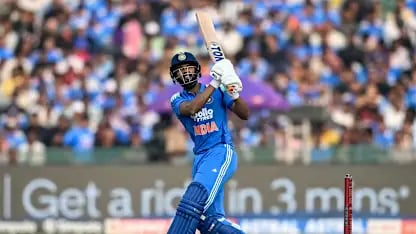
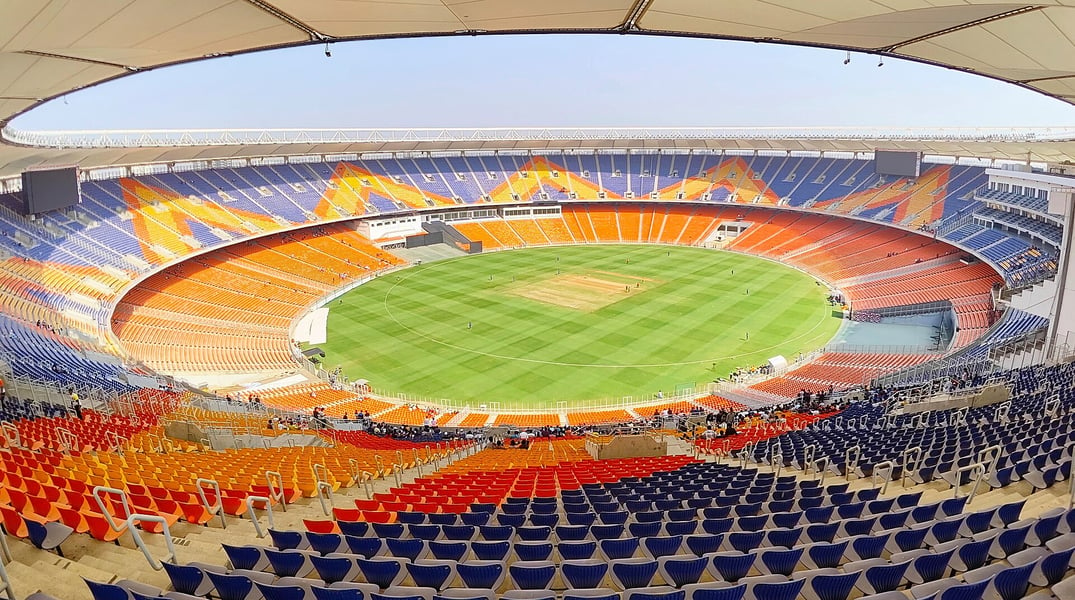
New Zealand won the toss at the Narendra Modi Stadium and put India in, which was defensible in the abstract and looked worse with every over. Sanju Samson made 89 from 46 balls. Ishan Kishan took 54 from 25 at the other end. India finished on 255 for 5, and James Neesham’s 3 for 46 was the most any New Zealand bowler could claim from it.
Chasing 256 was never realistic, but the innings did not so much fail as stop. Tim Seifert made 52 from 26 balls and was the only batter to pass 30. Bumrah returned 4 for 15 from his four overs, took the player of the match award, and New Zealand were all out for 159 with an over unused.
How they got there: Allen’s 33 balls, and India past England
New Zealand reached the final by dismantling South Africa at Eden Gardens on 4 March. South Africa made 169 for 8, which in a knockout looked like a working total for about fifteen minutes. Finn Allen then hit an unbeaten 100 from 33 balls, ten fours and eight sixes, reaching the mark with the final ball of the match. It is the fastest century in the history of the men’s T20 World Cup, and it beat a record Chris Gayle had held since 2016 by fourteen balls. New Zealand won by nine wickets with 43 to spare.
India came through the second semi-final against England at the Wankhede Stadium the following day. The two sides had met at the same stage in 2024. India’s record against their other main rivals over the same cycle is set out in the Border-Gavaskar Trophy scorecard and the India vs Pakistan scorecard.
| Match | Venue and date | Result |
|---|---|---|
| 1st semi-final | Eden Gardens, Kolkata, 4 March | New Zealand beat South Africa by 9 wickets. South Africa 169-8; New Zealand 173-1 in 12.5 overs |
| 2nd semi-final | Wankhede Stadium, Mumbai, 5 March | India beat England |
| Final | Narendra Modi Stadium, Ahmedabad, 8 March | India beat New Zealand by 96 runs. India 255-5; New Zealand 159 |
| Finn Allen’s unbeaten 100 from 33 balls in the first semi-final is the fastest century in the history of the men’s T20 World Cup, beating Chris Gayle’s 47-ball hundred from 2016. | ||
ICC Champions Trophy 2025 final — Dubai, 9 March 2025
The two sides met in an ICC final for the second time in twelve months at the Dubai International Cricket Stadium on 9 March 2025. New Zealand won the toss and batted, posting 251 for 7 in 50 overs. India overhauled the target in 49 overs, finishing 254 for 6 and winning by four wickets with six balls remaining. Rohit Sharma made 76 from 83 balls and was named player of the match. KL Rahul’s unbeaten 34 settled the chase in the final stages. It was India’s third ICC Champions Trophy title and the first time a team had won the tournament undefeated.
| Innings | Total | Top scorers | Best bowling |
|---|---|---|---|
| New Zealand | 251 for 7 (50 overs) | – | – |
| India | 254 for 6 (49 overs) | Rohit Sharma 76 (83) | – |
| India won by 4 wickets (6 balls remaining). New Zealand won the toss and elected to bat. Player of the match: Rohit Sharma. India won the 2025 Champions Trophy undefeated across all their matches. | |||
January 2026 bilateral series — New Zealand in India
Six weeks after the T20 World Cup final, New Zealand returned to India for a bilateral tour of three ODIs and five T20Is played between 11 and 31 January 2026. It was a competitive series across both formats. New Zealand produced their best ODI performance in India in years, taking the three-match series 2-1. India dominated the T20I leg, winning 4-1 with Suryakumar Yadav named player of the series after scoring 242 runs across the five matches.
| Match | Venue and date | Scores | Result |
|---|---|---|---|
| 1st ODI | Kotambi Stadium, Vadodara, 11 Jan | New Zealand 300-8; India 306-6 | India by 4 wickets |
| 2nd ODI | Saurashtra CA Stadium, Rajkot, 14 Jan | India 284-7; New Zealand 286-3 | New Zealand by 7 wickets |
| 3rd ODI | Holkar Cricket Stadium, Indore, 18 Jan | New Zealand 337-8; India 296 | New Zealand by 41 runs |
| New Zealand won the series 2-1. Player of the Series: Daryl Mitchell (New Zealand). Top run-scorer: Virat Kohli (India), 240 runs. Most wickets: Harshit Rana (India), 6 wickets. | |||
| Match | Venue and date | Scores | Result |
|---|---|---|---|
| 1st T20I | VCA Stadium, Nagpur, 21 Jan | India 238-7; New Zealand 190-7 | India by 48 runs |
| 2nd T20I | Shaheed Veer Narayan Singh International Stadium, Raipur, 23 Jan | New Zealand 208-6; India 209-3 | India by 7 wickets |
| 3rd T20I | Barsapara Cricket Stadium, Guwahati, 25 Jan | New Zealand 153-9; India 155-2 (Abhishek Sharma 68*, Suryakumar Yadav 57*) | India by 8 wickets |
| 4th T20I | ACA-VDCA Stadium, Visakhapatnam, 28 Jan | New Zealand 215-7 (Tim Seifert 62); India 165 | New Zealand by 50 runs |
| 5th T20I | Greenfield International Stadium, Thiruvananthapuram, 31 Jan | India 271-5 (Ishan Kishan 103, Suryakumar Yadav 63); New Zealand 225 (Finn Allen 80) | India by 46 runs |
| India won the series 4-1. Player of the Series: Suryakumar Yadav. Suryakumar scored 242 runs in the series. Abhishek Sharma’s unbroken 102-run partnership with Suryakumar in Guwahati in 40 balls secured the series with two matches to spare. | |||
The 2024 whitewash, which is the harder result to explain
New Zealand arrived in India in October 2024 having not won a Test series there since 1988. They won all three.
The opening Test at Bengaluru is the one people remember, because India were bowled out for 46 in their first innings, Matt Henry taking 5 for 15. What is less often recalled is that India then made 462 in the second innings, Sarfaraz Khan scoring 150, and still lost by eight wickets. Rachin Ravindra’s 134 in New Zealand’s 402 was the difference across the match.
Pune was where the series was decided. Mitchell Santner took 7 for 53 and then 6 for 104, thirteen wickets in a match New Zealand won by 113 runs despite Washington Sundar’s 7 for 59 in their first innings. India were bowled out for 156 and 245 on a pitch that turned from the opening session and turned against the side that had prepared it.
Mumbai was the closest and the most damaging. Ajaz Patel, who had taken all ten in an innings at the same ground three years earlier, took 11 wickets in the match. India needed 147 in the fourth innings and were dismissed for 121. New Zealand won by 25 runs and the whitewash was complete.
| Test | Venue and dates | Scores | Result |
|---|---|---|---|
| 1st Test | M. Chinnaswamy Stadium, Bengaluru, 16-20 Oct | India 46 and 462 (Sarfaraz Khan 150); New Zealand 402 (Rachin Ravindra 134) and 110-2. Matt Henry 5-15 | New Zealand by 8 wickets |
| 2nd Test | Maharashtra CA Stadium, Pune, 24-26 Oct | New Zealand 259 and 255; India 156 and 245. Mitchell Santner 7-53 and 6-104; Washington Sundar 7-59 | New Zealand by 113 runs |
| 3rd Test | Wankhede Stadium, Mumbai, 1-3 Nov | New Zealand 235 and 174; India 263 and 121. Ajaz Patel 11 wickets in the match | New Zealand by 25 runs |
| New Zealand’s first Test series win in India since 1988, and the first time India had been whitewashed at home in a series of three matches or more. India’s previous home series defeat was to England in 2012-13. | |||

Southampton, 2021 — World Test Championship final
The other result that shapes this rivalry is the inaugural World Test Championship final, played at the Rose Bowl in Southampton between 18 and 23 June 2021 in conditions that suited New Zealand’s seamers and never stopped suiting them.
Kyle Jamieson took 5 for 31 in the first innings and 2 for 30 in the second, seven wickets in the match, and was named player of the match. India were bowled out for 217 and 170. New Zealand chased 139 to win by eight wickets and became the first holders of the WTC title.
| Innings | Total | Top performers |
|---|---|---|
| India 1st innings | 217 all out | Kyle Jamieson 5-31 |
| New Zealand 1st innings | 249 all out | – |
| India 2nd innings | 170 all out | Kyle Jamieson 2-30 |
| New Zealand 2nd innings | 140 for 2 | – |
| New Zealand won by 8 wickets. Player of the match: Kyle Jamieson (7 wickets in the match). New Zealand became the first holders of the ICC World Test Championship. | ||
India national cricket team vs New Zealand national cricket team — timeline of major series
The india national cricket team vs new zealand national cricket team timeline covers 70 years of bilateral cricket. The following table lists every major series between the two sides from 2019 to the present, covering all three formats and all ICC events.
| Year | Series / Event | Format | Venue | Result |
|---|---|---|---|---|
| Feb 1955 | First Test between the sides | Test | Hyderabad, India | Draw. First meeting in international cricket. |
| 1988 | India in New Zealand / New Zealand in India | Tests | India | New Zealand won Test series in India 1-0. Last NZ Test series win in India before 2024. |
| 2016-17 | New Zealand in India | Tests / ODIs / T20Is | India | India won Tests 3-0, ODIs 2-1, T20Is 2-1 |
| 2019 (Jun) | ICC Cricket World Cup semi-final | ODI | Emirates Old Trafford, Manchester | New Zealand beat India by 18 runs (DLS). India 221 all out; New Zealand 239-8 (revised target). |
| 2019-20 (Jan-Feb) | India in New Zealand | T20Is / ODIs / Tests | New Zealand | India won T20Is 5-0; New Zealand won ODIs 3-0 and Tests 2-0 |
| 2021 (Jun) | ICC World Test Championship Final | Test | Rose Bowl, Southampton | New Zealand won by 8 wickets. India 217 and 170; NZ 249 and 140-2. Kyle Jamieson 7 wickets. |
| 2021-22 (Nov) | New Zealand in India | T20Is / Tests | India | India won T20Is 3-0; India won Tests 1-0 |
| 2022-23 (Jan-Feb) | India in New Zealand | ODIs / T20Is | New Zealand | India won ODIs 3-0; India won T20Is 2-1 |
| 2023 (Nov) | ICC Cricket World Cup semi-final | ODI | Wankhede Stadium, Mumbai | India beat New Zealand by 70 runs. India 397-4; New Zealand 327. |
| 2024 (Oct-Nov) | New Zealand in India — Test series | Tests | Bengaluru, Pune, Mumbai | New Zealand won 3-0. India’s first home whitewash in a series of 3+ Tests. |
| 2025 (Mar) | ICC Champions Trophy Final | ODI | Dubai International Cricket Stadium | India won by 4 wickets. New Zealand 251-7; India 254-6. Rohit Sharma 76 (PS). |
| 2026 (Mar) | ICC Men’s T20 World Cup Final | T20I | Narendra Modi Stadium, Ahmedabad | India won by 96 runs. India 255-5; New Zealand 159. Bumrah 4-15 (PS). |
| 2026 (Jan) | New Zealand in India — ODI series | ODIs | Vadodara, Rajkot, Indore | New Zealand won 2-1 |
| 2026 (Jan) | New Zealand in India — T20I series | T20Is | Nagpur, Raipur, Guwahati, Visakhapatnam, Thiruvananthapuram | India won 4-1. Suryakumar Yadav Player of the Series. |
| 2026 (Oct-Dec) | India in New Zealand — full tour | T20Is / ODIs / Tests | New Zealand | Scheduled. 5 T20Is, 5 ODIs, 2 Tests. |
| Timeline covers all major series and ICC events. Bilateral series details from 1955-2015 not individually listed. India’s first Test win over New Zealand came in 1968; New Zealand’s first Test series win in India came in 1988. | ||||
All-time head-to-head record
India hold a winning record against New Zealand across all three formats combined, with the margin most pronounced in T20 Internationals and least decisive in Test cricket.
| Format | Matches | India wins | NZ wins | No result / Draw |
|---|---|---|---|---|
| Tests | 65 | 22 | 13 | 30 draws |
| ODIs | 123 | 63 | 55 | 5 no result |
| T20Is | 31 | 17 | 11 | 3 no result |
| Total (all formats) | 219 | 102 | 79 | 38 |
| Records current as of September 2026. Includes all official internationals in all three formats. India’s 3-0 Test series win over New Zealand on Indian soil in 2016-17 and NZ’s 3-0 win in India in 2024 are the most significant recent bilateral Test results. | ||||
Upcoming: India’s tour of New Zealand, October to December 2026
India are scheduled to tour New Zealand for the largest inbound tour in New Zealand Cricket’s history by number of matches: 12 games across three formats, spanning October to December 2026. The T20I series opens the tour at Hagley Oval in Christchurch on 22 October. Five ODIs follow in early November before the Test series — two matches at Basin Reserve in Wellington and Hagley Oval in Christchurch — rounds out the schedule.
| Format | Match | Venue | Date |
|---|---|---|---|
| T20I | 1st T20I | Hagley Oval, Christchurch | 22 October 2026 |
| T20I | 2nd T20I | Hagley Oval, Christchurch | 24 October 2026 |
| T20I | 3rd T20I | HNRY Stadium, Wellington | 27 October 2026 |
| T20I | 4th T20I | Eden Park, Auckland | 30 October 2026 |
| T20I | 5th T20I | Seddon Park, Hamilton | 1 November 2026 |
| ODI | 1st ODI | Eden Park, Auckland | 4 November 2026 |
| ODI | 2nd ODI | HNRY Stadium, Wellington | ~8 November 2026 |
| ODI | 3rd ODI | Seddon Park, Hamilton | ~11 November 2026 |
| ODI | 4th ODI | Bay Oval, Tauranga | ~14 November 2026 |
| ODI | 5th ODI | TBC | ~17 November 2026 |
| Test | 1st Test | Basin Reserve, Wellington | 19-23 November 2026 |
| Test | 2nd Test | Hagley Oval, Christchurch | 27 Nov – 1 Dec 2026 |
| New Zealand Cricket has confirmed this is the largest inbound tour by number of matches in their history. Exact ODI dates and venues subject to confirmation by New Zealand Cricket. Check espncricinfo.com for live updates and any schedule changes. | |||
What this record does not settle
The pattern that jumps out of these results is that the venue decides more than the form does, and that is a less satisfying conclusion than it looks. New Zealand won at Southampton in seam-friendly English conditions. They also won 3-0 in India on pitches designed to turn — and then won the January 2026 ODI series there by the same margin as the Tests implied they might. India won the T20I series that immediately followed it, and then the T20 World Cup, which suggests neither side has found a definitive formula for beating the other.
The same pattern shows up in India’s record against Australia. What the scorecard cannot show is how much of the 2024 Test series was New Zealand playing well and how much was India playing surfaces they had asked for and then could not handle. Both readings survive the scorecards.
India vs New Zealand match scorecard: frequently asked questions
Who won the T20 World Cup 2026 final?
India, by 96 runs, at the Narendra Modi Stadium in Ahmedabad on 8 March 2026. India made 255 for 5 and bowled New Zealand out for 159.
What was the india national cricket team vs new zealand national cricket team match scorecard in the T20 WC 2026 final?
India 255 for 5 in 20 overs — Sanju Samson 89 from 46 balls and Ishan Kishan 54 from 25, James Neesham 3 for 46. New Zealand 159 all out in 19 overs — Tim Seifert 52 from 26, Jasprit Bumrah 4 for 15.
Who was player of the match in the 2026 final?
Jasprit Bumrah, for 4 for 15 from four overs.
What is the india national cricket team vs new zealand national cricket team timeline?
The two sides first met in a Test match in February 1955. Key milestones in the timeline include: New Zealand’s first Test series win in India in 1988; New Zealand beating India in the 2019 ODI World Cup semi-final; New Zealand winning the inaugural 2021 World Test Championship final at Southampton; India beating New Zealand in the 2023 World Cup semi-final by 70 runs; New Zealand’s 3-0 Test series win in India in October-November 2024; India winning the 2025 Champions Trophy final in Dubai by four wickets; India winning the 2026 T20 World Cup final by 96 runs; and India scheduled to tour New Zealand in October-December 2026.
Who won the 2025 ICC Champions Trophy final between India and New Zealand?
India, by four wickets with six balls remaining, at Dubai International Cricket Stadium on 9 March 2025. New Zealand posted 251 for 7. India reached 254 for 6 in 49 overs. Rohit Sharma was named player of the match for his 76 from 83 balls.
Who won the January 2026 ODI series between India and New Zealand?
New Zealand, 2-1. New Zealand won in Rajkot (by 7 wickets) and Indore (by 41 runs). India took the first match in Vadodara by 4 wickets. Daryl Mitchell was named player of the series.
Who won the January 2026 T20I series between India and New Zealand?
India, 4-1, across five matches in Nagpur, Raipur, Guwahati, Visakhapatnam and Thiruvananthapuram. Suryakumar Yadav was named player of the series with 242 runs. The lone New Zealand win came in Visakhapatnam by 50 runs.
Did New Zealand really beat India 3-0 in India in 2024?
Yes, in October and November 2024. It was New Zealand’s first Test series win in India since 1988 and the first time India had been whitewashed at home across three or more Tests. India were bowled out for 46 in the opening innings at Bengaluru.
What is the fastest century in T20 World Cup history?
Finn Allen’s unbeaten 100 from 33 balls for New Zealand against South Africa in the 2026 semi-final at Eden Gardens on 4 March 2026, beating Chris Gayle’s 47-ball hundred from 2016.
Who won the 2021 World Test Championship final?
New Zealand, by eight wickets, at the Rose Bowl in Southampton. Kyle Jamieson took seven wickets in the match and was named player of the match.
What was India’s lowest total against New Zealand?
46 all out, at the M. Chinnaswamy Stadium in Bengaluru on 16 October 2024, with Matt Henry taking 5 for 15.
When does India tour New Zealand in 2026?
India are scheduled to begin their tour of New Zealand on 22 October 2026 with the first of five T20Is at Hagley Oval in Christchurch. The tour includes five T20Is, five ODIs and two Tests, concluding with the second Test at Hagley Oval in Christchurch from 27 November to 1 December 2026.
What is the all-time head-to-head record between India and New Zealand?
India lead 102-79 from 219 matches across all three formats (as of September 2026). In Tests, India lead 22-13 with 30 draws from 65 matches. In ODIs, India lead 63-55. In T20Is, India lead 17-11.