
OTTAWA — The talks were supposed to buy time. When the United States extended its tariff deadline by three days last week to allow negotiations, both governments privately signaled a deal was possible. By early Saturday, both governments had acknowledged it was not.
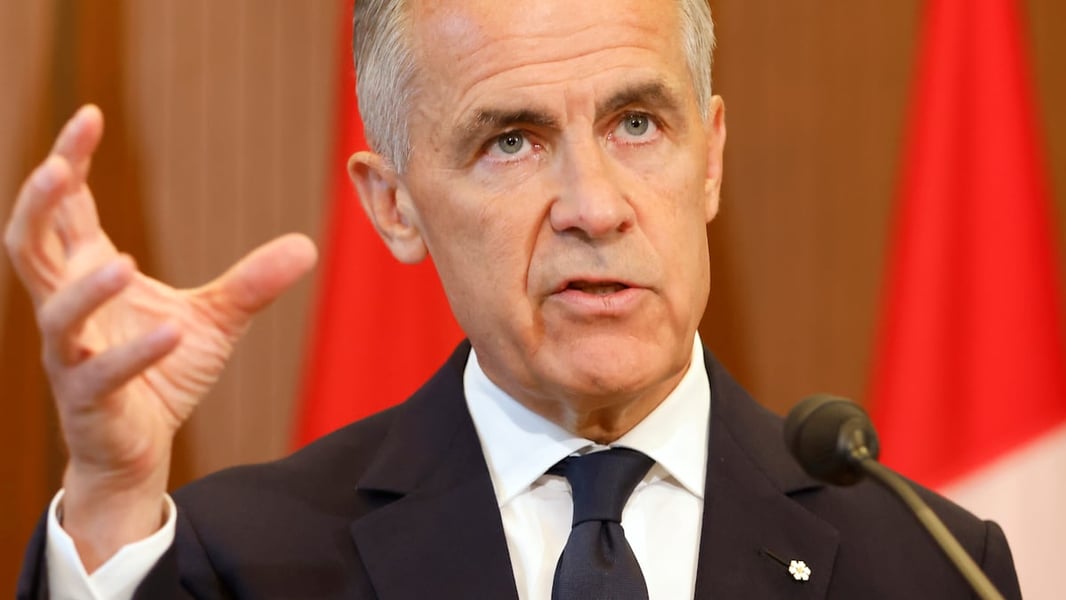
Prime Minister Mark Carney, speaking after more than fourteen hours of negotiations collapsed before dawn, delivered the post-mortem in one sentence: “They asked too much and offered too little.” US Trade Representative Jamieson Greer, in a statement released hours later, said Washington was “moving forward with measures that respond to Canadian retaliation” and confirmed there were “no new planned talks.”
The 50% tariffs — targeting roughly $20 billion in Canadian goods, about 5% of Canada’s annual exports to the United States — went into effect early Saturday morning. Trump deployed Section 338 of the Smoot-Hawley Tariff Act of 1930, a provision never previously used for broad tariff escalation and generally understood to be reserved for trade discrimination against American goods. Canada’s attorneys had argued that neither condition applied. The argument did not change the outcome. The 50% tariffs on Canada using the 1930 Tariff Act took effect regardless.
Canada’s retaliation will not arrive immediately. Ottawa announced that its dollar-for-dollar matching tariffs on American steel, dairy products, appliances, agricultural equipment, pulp, paper, and electronics will begin the Tuesday after Labor Day — September 8. The delay reflects border logistics and what Canada described as a final diplomatic window. Washington has not confirmed it intends to use that window.
The scale of what is at stake does not fit the vocabulary of a trade dispute. Bilateral trade between the two countries runs to $880 billion a year, with 72% of Canadian goods exports flowing south into the United States. Ontario Premier Doug Ford, whose province anchors much of that cross-border flow through auto plants and manufacturing supply chains, called the outcome a “gut punch” for workers on both sides of the border.
What the negotiations actually contained — the specific demands that Carney described as excessive — has not been disclosed by either government. Canadian officials characterized the US position as a structural ask rather than a narrowly tariff-focused one: that Washington was seeking changes to Canada’s domestic policy framework rather than simply lower tariff rates on specific goods. The precise content of those demands remains unconfirmed.
What is confirmed is what Canada offered. Ottawa proposed dropping its own retaliatory tariffs — the matching measures it imposed after the earlier 10% tariff round — in exchange for substantial US reductions on Canadian steel, aluminum, automobiles, and lumber. According to CBS News, the final offer included Canada willing to drop retaliation entirely if the United States substantially lowered its own rate. Greer’s office did not publicly acknowledge that offer.
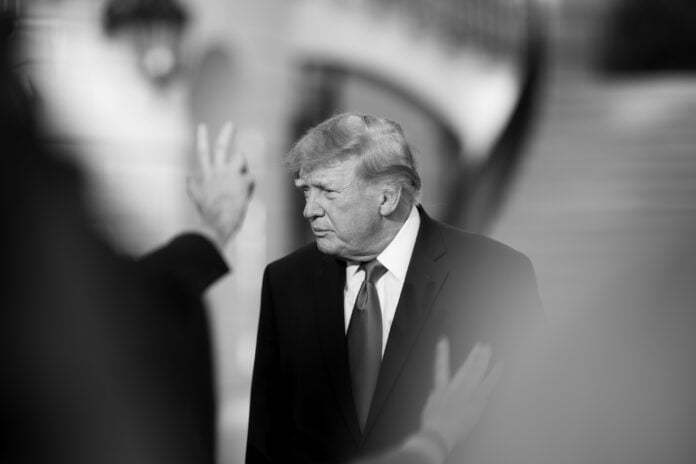
Trump, posting on Truth Social on Saturday, did not address the substance of the talks. Instead he returned to a formulation that has accompanied his Canada tariff policy from the start: Canada “wanted the benefits of being a State, without being one.” Canadian officials have consistently declined to engage with that framing, treating it as political commentary rather than diplomatic position. After this week, that distinction is harder to maintain.

Greer’s statement did not describe conditions under which talks might resume. Carney said Canada would “stand firm” — a phrase that rules out unilateral concessions without specifying what Canada needs from Washington to return to the table. The result is a managed escalation: a retaliation date on the calendar, the world’s largest bilateral trade relationship under 50% tariff pressure, and no confirmed diplomatic channel between the two governments.
What Trump tariffs are already adding to consumer costs on the American side — a dynamic that predates Canada’s retaliation — is only part of the pressure building on both economies. The September 8 date means roughly six weeks for exporters, supply chain managers, and finance ministers to renegotiate contracts, reroute shipments, and absorb costs that were not in any model from twelve months ago. The industries Canada is targeting — American dairy, steel, appliances — are concentrated in states whose senators face voters in 2028.
Whether that political math eventually changes the White House’s tariff posture is a calculation neither government’s trade team has disclosed. The 1930 law Trump used imposes no ceiling on the rate. What happens on September 9 — and whether the bilateral relationship finds a floor before it gets there — remains entirely open.