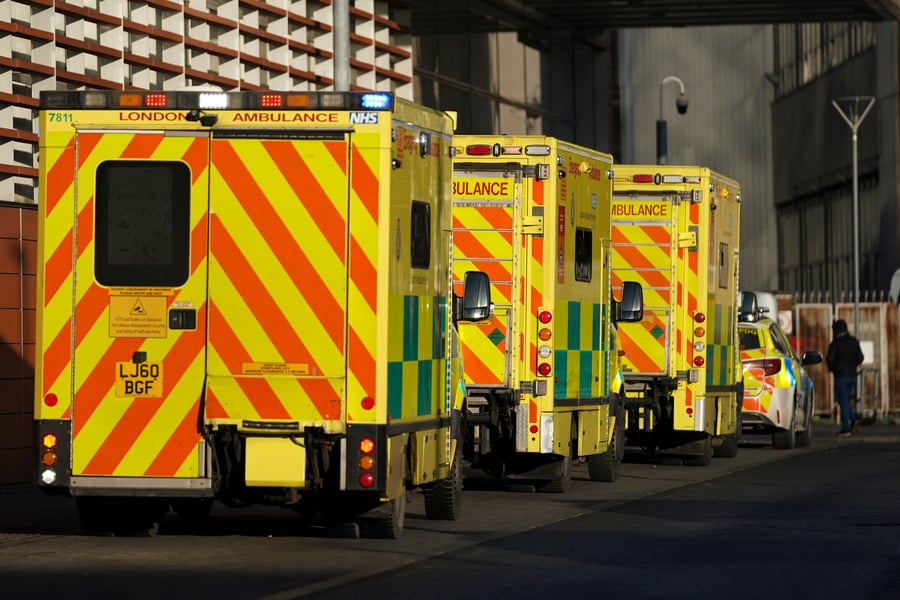

MIDDLESBROUGH — The family of Police Constable Matthew Blades had been waiting for the end of his Saturday shift. He was 37 years old, on an overnight patrol along the A66 in northeast England with his colleague Police Constable Tom Clough, who was 38. At 3:39 on Saturday morning, a Volkswagen Passat came down that road on the wrong side. The head-on collision killed everyone at the scene. All seven people across both vehicles died. No one survived.
Cleveland Police confirmed both deaths on Saturday. Chief Constable Victoria Fuller described them as “brave officers who didn’t return home to their families.” As tributes began arriving from colleagues and the public across the country, Fuller was managing the simultaneous demands of a major fatality investigation and the immediate grief of a police force. A formal memorial for Blades and Clough has not yet been announced.
The crash happened after officers spotted what Cleveland Police described as a suspicious vehicle and gave chase. That decision led them into a head-on collision that left no one alive in either vehicle. The identity of those in the Passat has not been released, and the investigation into why the vehicle was travelling the wrong way on a major road at that hour is in its earliest stages.
The incident near Middlesbrough sits within a pattern that has become unmistakable in less than a week. Across the United Kingdom and Ireland, 12 people have died in wrong-way driving incidents since August 17. A second fatal collision occurred in Dublin on Sunday. Irish Taoiseach Michael Martin called for “no tolerance for this reckless behaviour.” Irish Police Commissioner Justin Kelly confirmed Dublin authorities were reviewing the incident in the context of what has been accumulating across both countries.
What authorities have been cautious about stating flatly, but what parliamentary committees have begun pressing, is the role social media content has played in circulating this behaviour. Footage of young people driving against traffic has spread across platforms, most prominently TikTok. The Irish parliament’s transport committee has formally requested TikTok appear before it to explain what content removal policies it applies to dangerous road behaviour. The platform has not publicly responded to that request.
Whether the A66 driver was motivated or influenced by any specific piece of content remains entirely unknown. Cleveland Police’s investigation may take weeks or months to establish even preliminary conclusions. That determination, if it ever comes, may ultimately prove impossible to confirm with certainty.
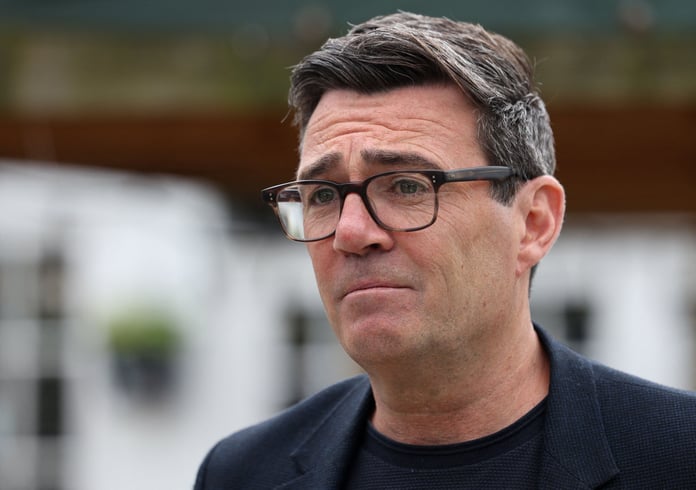
Prime Minister Andy Burnham, who recently announced new UK planning powers for city mayors as part of his devolution programme, extended condolences to the officers’ families and to Cleveland Police. The political pressure now forming around wrong-way driving does not fit neatly into conventional road safety frameworks. It is not primarily about speed limits, drink-drive thresholds, or vehicle safety standards. It is about whether content decisions made by a handful of global technology companies can contribute to deaths on British roads, and whether government holds the legal tools to compel meaningful change from those companies faster than voluntary action produces it.
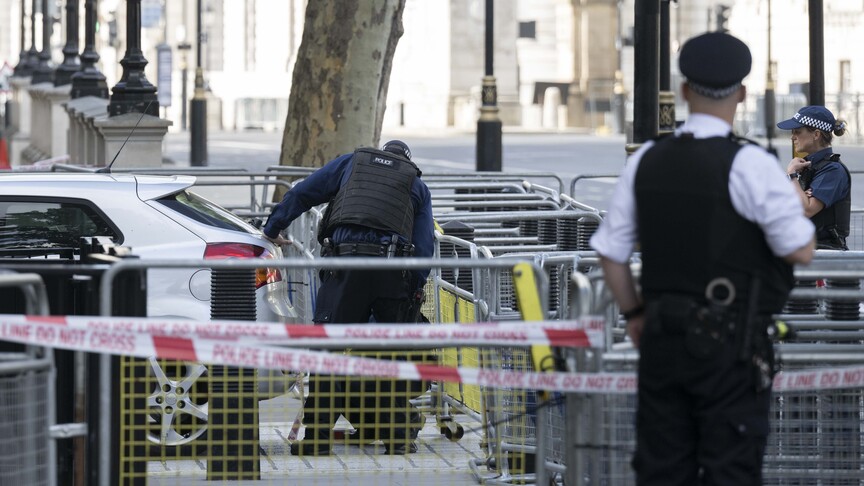
For officers who patrol these routes, wrong-way drivers existed as a risk before this week, typically confused, impaired, or panicked. Their threat was real but unpredictable in a different way from what the incidents since August 17 have introduced. Intentional wrong-way driving, sometimes performed for an audience, sometimes filmed and posted, alters the risk calculus for officers who must decide in seconds whether to pursue a suspicious vehicle. No training framework has yet addressed what that calculation looks like when the driver moving toward you may be acting deliberately.
Matthew Blades and Tom Clough made that decision on the A66. What Cleveland Police cannot say, and what no investigation has yet confirmed, is whether anything known at 3:39 in the morning would have pointed toward a different outcome.
The question hanging over the A66 crash is the same question being asked in Dublin, in Whitehall, and in the corridors of the Irish parliament: whether platforms will act before another car drives into oncoming traffic. The families of the two officers will carry that question long after the parliamentary committee sessions adjourn and the platform representatives have finished reading their prepared statements.
Related Posts