RENO — Three weeks ago, Nevada National Guard helicopters were logging their final water bucket runs over the Bug and Fred Mountain fires north of Reno. By Friday morning, those same crews were being called back in.
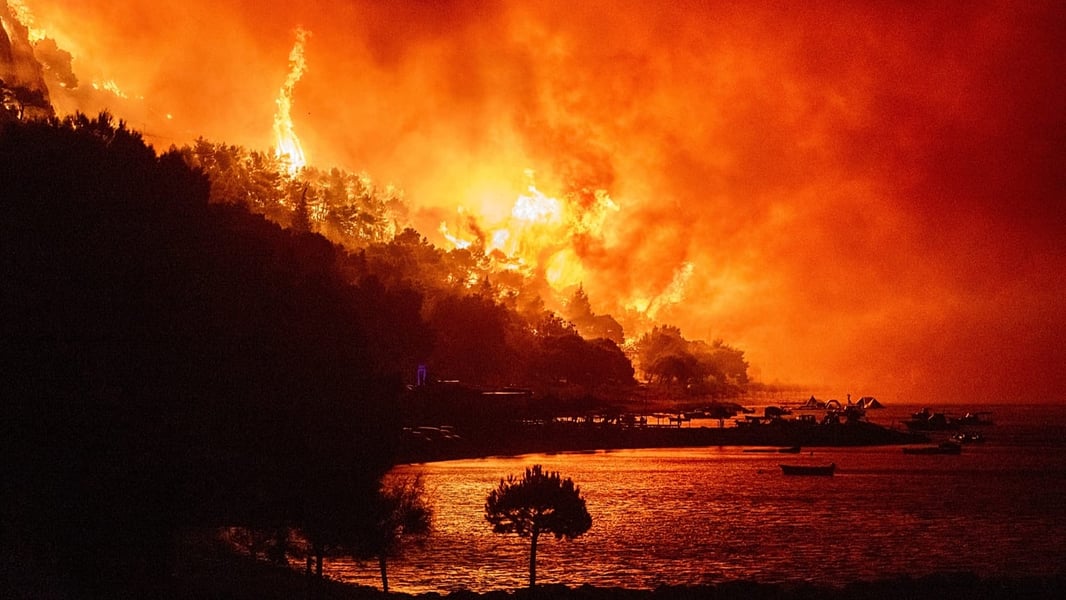
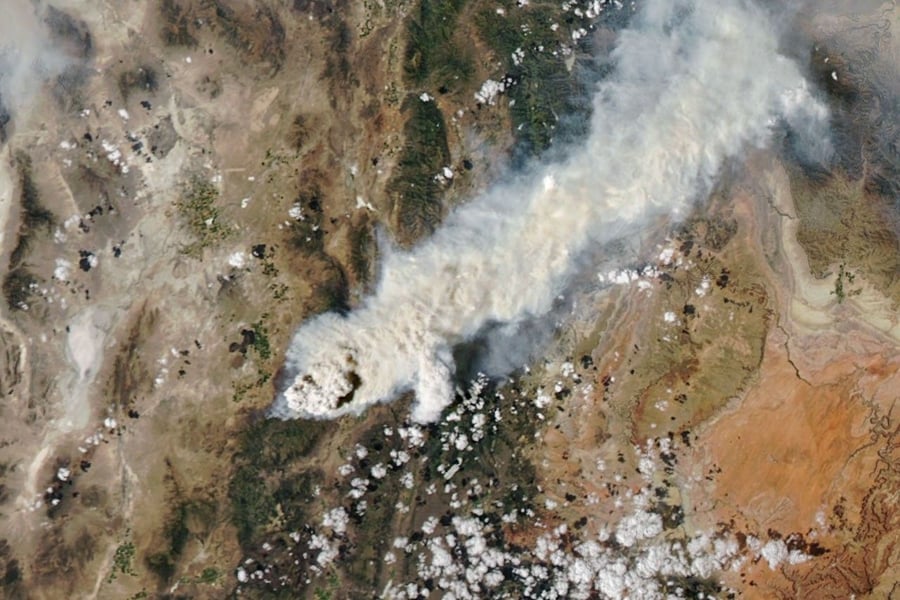
The Hawk Fire ignited west of Reno at approximately 11 a.m. on Friday and moved through bone-dry terrain with a velocity that stretched emergency resources from the start. By late Friday night, it had consumed 10,522 acres with zero percent containment — a figure that placed it immediately among the most significant active fires in the country.
According to the Nevada Governor’s Office, Joe Lombardo declared a state of emergency for Washoe County before the day was done, unlocking state resources and streamlining a response to a fire that had already put roughly 1,000 homes in its path.
Reno Mayor Hilary Schieve did not soften the reality on the ground. “Structures have already been burned in this fire and your life is more important than a building,” she said — language that made unambiguously clear the evacuation orders were not precautionary.
Those orders extended across Somersett, the planned residential community north of Somersett Parkway to Robb Drive that sits closest to the fire’s ignition zone, and swept outward through northwest Reno, Golden Valley, Lemmon Valley, Stead, and Cold Springs. “Go Now” — the most urgent level of evacuation — was in effect for all of them. Evacuation warnings, a step below mandatory orders, extended across the state line into Sierra County, California, on the fire’s western edge.
The geography of the threat was significant. Somersett backs against the Sierra Nevada foothills and is connected to the fire’s starting terrain by miles of sagebrush and scrub. Golden Valley, Lemmon Valley, Stead, and Cold Springs are lower-density communities strung along the northern arc of greater Reno — areas where lots are wide, open land is close, and embers cast during a gusty fire run can seed spot fires well ahead of the main front.
U.S. Route 395 northbound, the main artery connecting Reno to northern Nevada and the California border, was closed between Parr Boulevard and Bordertown. North Virginia Street was shut between Red Rock Road and White Lake Parkway. The road closures reflected how deeply the fire had pushed toward the populated edges of the city.
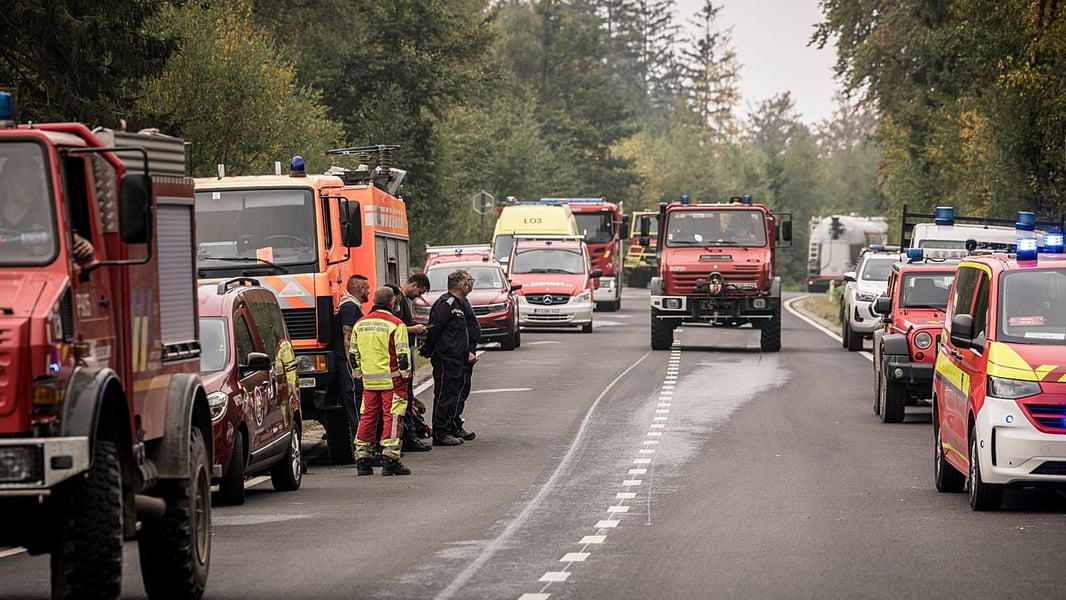
Approximately 400 personnel from local, state, and federal agencies were working the fire as of Friday night, supported by airtankers and at least two helicopters. The Nevada National Guard contributed 60 personnel — including aircrews who had just completed hundreds of water drops during August’s earlier fires — with a CH-47 Chinook and a UH-60 Black Hawk committed to the response.
The rapid redeployment of Guard air assets captured something important about the pace of this fire season. The Bug and Stallion fires, which broke out in early August, burned a combined 134,000 acres and displaced more than 13,000 residents before reaching high containment levels. Those fires were only recently being wound down. According to the Nevada National Guard, the Guard had dropped more than 328,000 gallons of water during the Bug, Stallion, and Fred Mountain fires — and the Hawk Fire was asking the same helicopters to begin that count again.
Col. Kyle Cerfoglio, the Nevada Joint Staff director, had said of those earlier fires: “There’s no doubt this fire would have been much worse had it not been for the quick and rapid response from first responders.” The compliment now carried a harder edge — those same first responders were going back in, with no rest window between campaigns.
The fire was moving northeast with significant expansion also pressing to the south as of Friday night, complicating containment efforts at the urban-wildland interface where residential development meets the Great Basin’s flammable dry shrubland. Conditions on Friday offered nothing that would help — winds were described as “strong and gusty,” with low relative humidity and dry vegetation that had been primed by weeks of heat and no meaningful precipitation.
No cause determination had been offered as of Friday night. The question of what had started the Hawk Fire had not been answered, and fire managers were not in a position to prioritize it over the more urgent task of moving resources.
What also remained unanswered was the harder accounting Mayor Schieve had foreshadowed: how many structures had burned, and whether they were homes or outbuildings or commercial properties. That number — and what it would mean for the families who had left Somersett and Cold Springs and Golden Valley on “Go Now” orders — was still being tallied as firefighters worked through the night against winds that showed no sign of relenting.