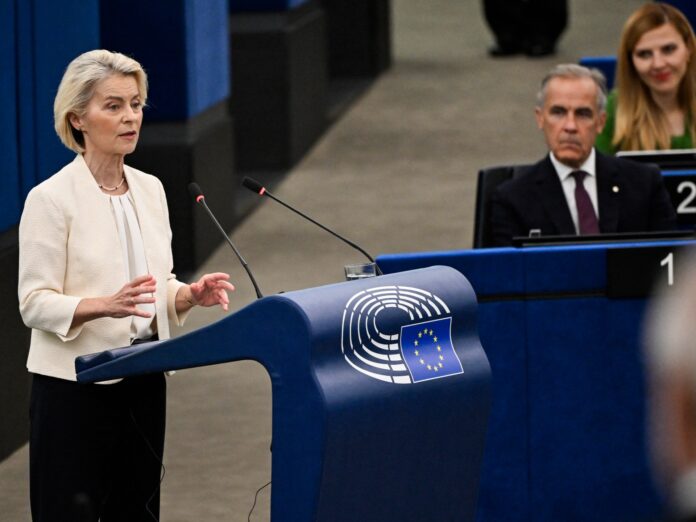
OTTAWA — The assembly lines in Windsor have run without interruption for longer than most of the workers on them have been alive. Sunday’s announcement may change that. After weeks of talks that Prime Minister Mark Carney described as producing “important progress,” Washington walked away, and then turned around with a threat: 50 percent tariffs on Canadian automobiles and steel, effective January.
Trump posted to Truth Social that “Canada wants the benefits of being a State, without being one!!!” The three exclamation marks were the full extent of the economic analysis on offer.
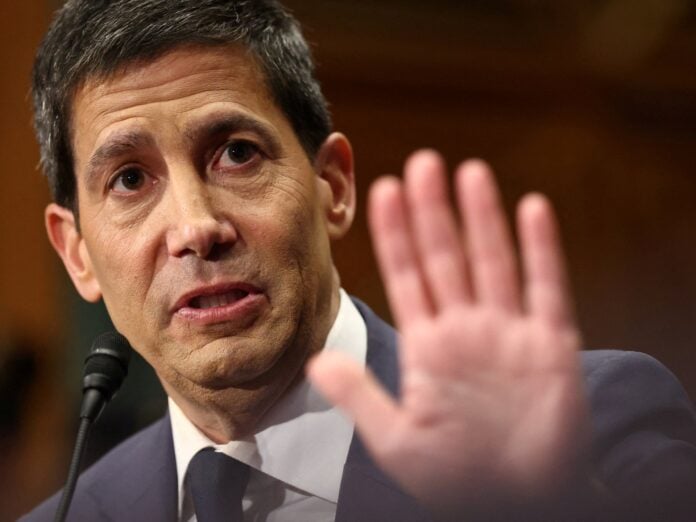
Trump’s administration imposed the duties on approximately $20 billion in Canadian goods after negotiations collapsed Sunday. The affected products span the industrial spine of the Canadian economy: steel, electronics, industrial machinery, dairy, lumber, and the automotive supply chains that employ tens of thousands in Ontario alone. US Trade Representative Jamieson Greer called it “a missed opportunity for Canada to partner with the United States.” He added that Canada had “always had the best deal” and would still have had “an even better deal” had it signed.
Prime Minister Carney’s response arrived without diplomatic hedging. Canada would match Washington’s tariffs, he said, “dollar for dollar in order to protect Canadian workers.” He rejected the framing that Canada had walked away from a reasonable offer. Washington, he said, had introduced “new demands and walkbacks of other commitments” that “upended the careful balance” of what had been agreed, and then expected Ottawa to absorb them.
“We cannot accept what they’ve offered,” Carney said, “and we will not give what they’ve asked.”
Ontario Premier Doug Ford offered a shorter formulation. “He can kiss my ass,” Ford said, in a sentence that may define this period in the Canada-United States relationship more precisely than any diplomatic communiqué. Ford’s language reflected something genuine: not merely anger at a tariff schedule, but the sense spreading through Canadian political culture that Washington has unilaterally rewritten the rules of a relationship built over generations.
British Columbia Premier David Eby acknowledged the costs of retaliation openly. “It’s going to hurt them and, unfortunately, Canada has to hit back,” Eby said, framing retaliatory tariffs not as a preference but as a structural obligation. The alternative, absorbing the duties without response, would signal that Canada can be forced into concessions by US economic coercion, a precedent neither the federal government nor the provinces are prepared to set.
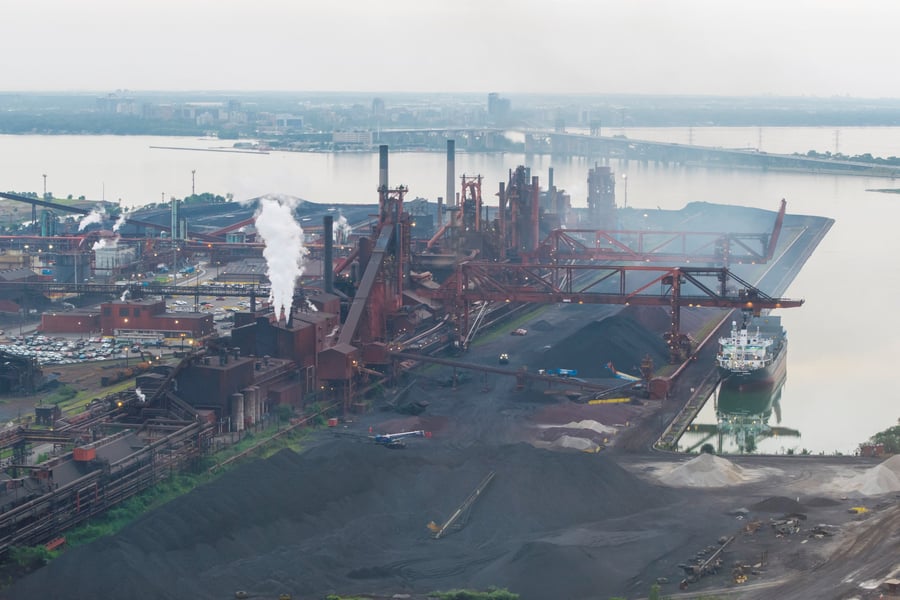
Canada’s retaliatory measures, set to begin September 8 according to Al Jazeera, will target US steel, dairy, electronics, appliances, agricultural equipment, pulp, and paper, a list calibrated to cause political pain in US export states while minimizing damage to Canadian supply chains.
A Leger poll conducted before the breakdown found 56 percent of Canadians favored a tough negotiating stance with no further concessions. Manitoba Premier Wab Kinew, whose province’s agricultural and manufacturing exports are directly exposed to tariff crossfire, pledged to “fight back against Trump’s tariffs” and backed Carney without qualification.
The political unity is, by Canadian standards, remarkable. Conservative leader Pierre Poilievre, who has opposed Carney on nearly every domestic question, called on the prime minister to reconvene Parliament and sought a cross-party unity meeting with him, framing the crisis as a national emergency. Whatever his political calculation, the gesture reflects how the tariff threat is being read in Ottawa: not as a trade dispute, but as an act of economic pressure against a sovereign nation.
The U.S. Transportation Secretary dismissed Canada’s retaliatory plans as “foolish.” California Governor Gavin Newsom, breaking from the administration, called the tariffs an “assault on our closest ally.” The White House did not respond.
Business groups are not waiting for the standoff to resolve. The British Columbia Chamber of Commerce said “job loss is inevitable.” An economic analyst tracking the dispute, as CTV News reported, described the trajectory without softening: “Costs are going to go up, prices are going to go up, unemployment is going to go up as well.” Small and medium businesses face the steepest exposure. Their margins leave little room to absorb a 50 percent surcharge on goods exported to the United States.
Nearly 70 percent of Canada’s total exports flow south. The dependence is structural, built over decades through NAFTA and its successor CUSMA on the premise that the border would remain open to commerce. Trump’s tariffs stress-test that premise in ways it was not designed to handle.
What exactly Washington demanded in these negotiations, the specific terms Carney found unacceptable, has not been disclosed. Poilievre’s call for transparency reflects the political reality that silence on that question will become harder to sustain as the economic fallout accumulates. The January tariff deadline is three months away. Canada’s September retaliatory date is two weeks out.
For the steelworkers in Hamilton and the auto workers in Windsor, the trade war has already arrived. The only question that remains is how long both governments are willing to make them pay for it.