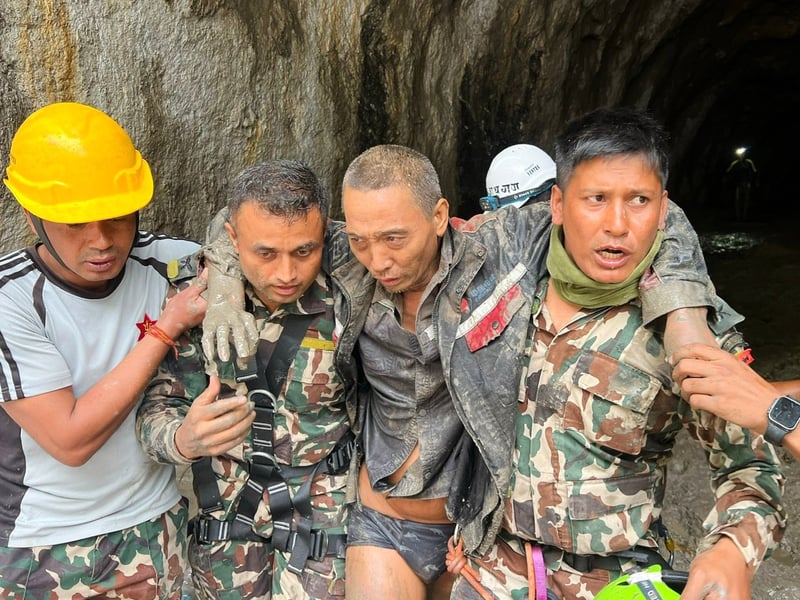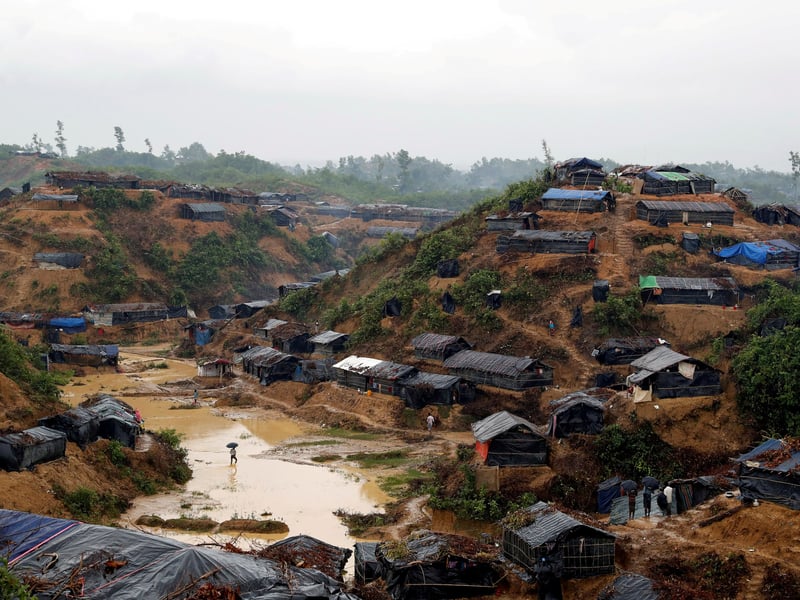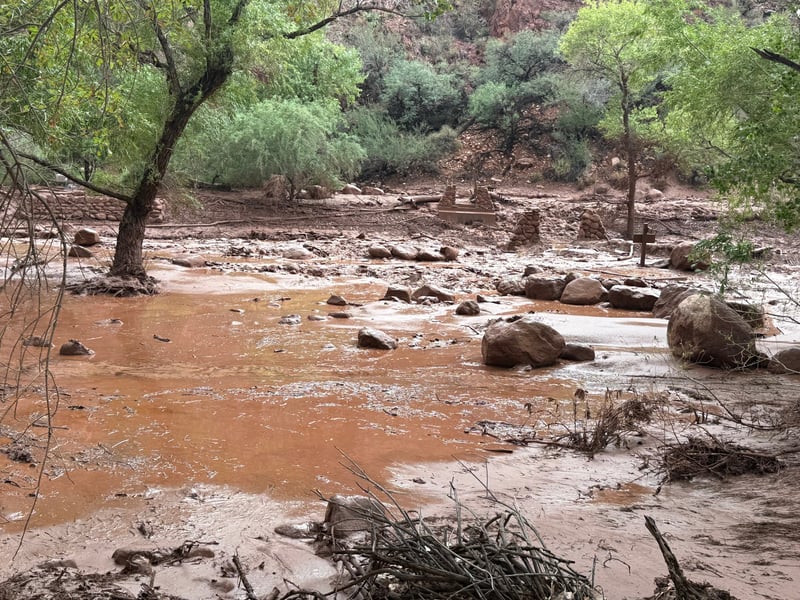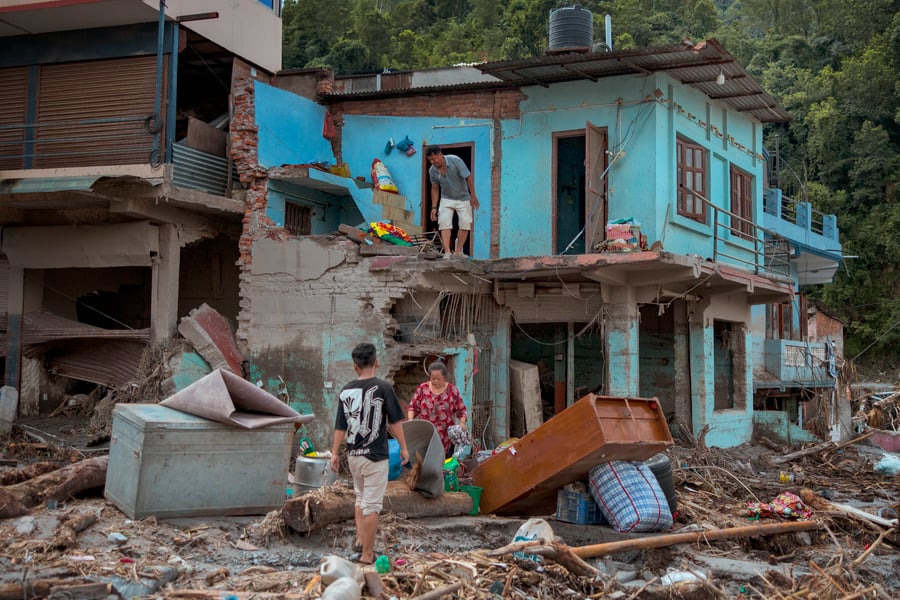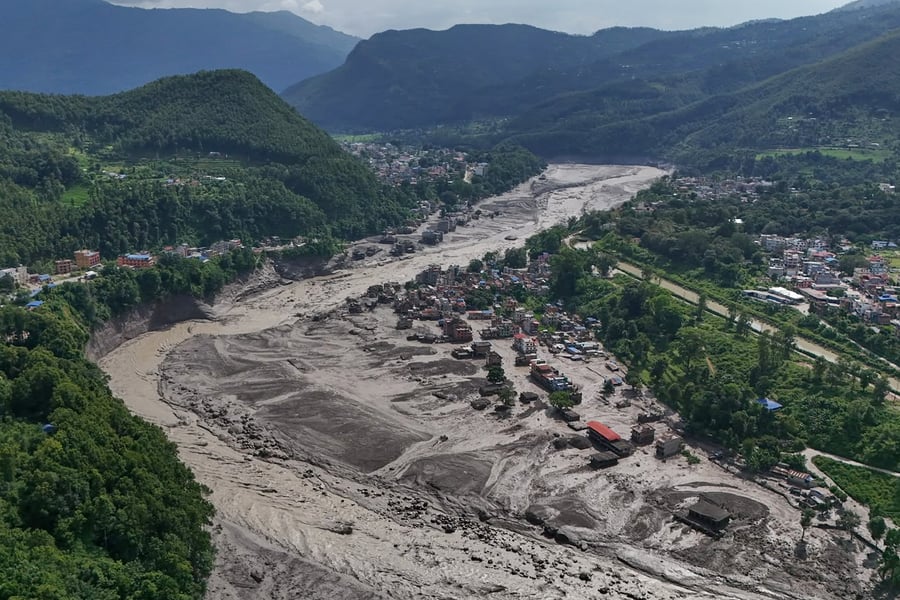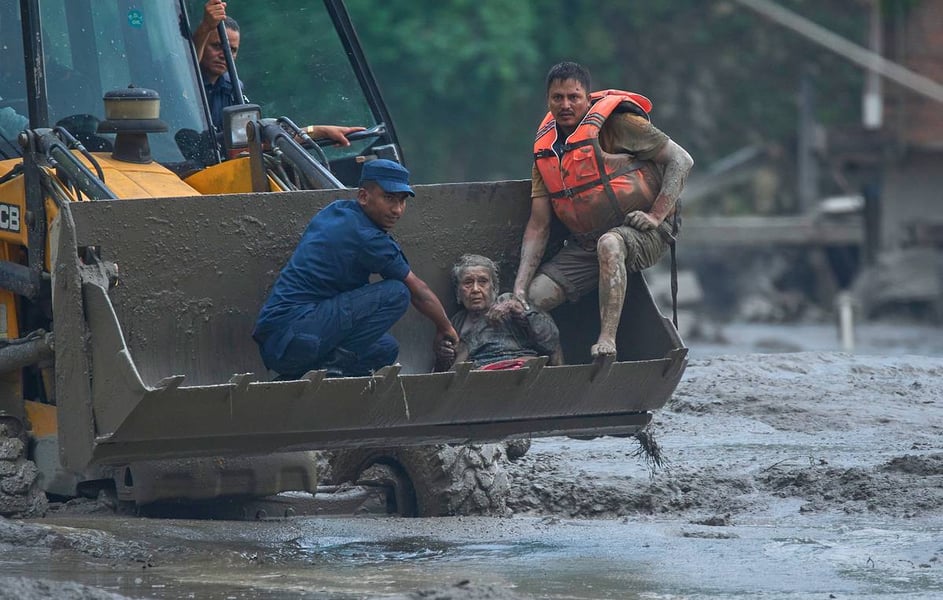

GUWAHATI — Debiram Panika was at work in a nearby town when the Dikhow River tore through his village in Assam’s Sivasagar district last month. When he returned, his wife Dipika and their four-year-old daughter Radhika were gone. His surviving daughter made it through only by clinging to a bamboo bush as the surge swept everything else away.
Panika’s account, documented in a ground report, is one of more than 700,000 displacement stories produced by floods that have left at least 100 dead, some 1.2 million people directly affected, and 2,700 villages across Upper Assam in ruins. The disaster began when heavy rainfall struck the Naga Hills of Nagaland on July 18 and 19, sending water crashing through a river system that, researchers argue, had already been weakened to the point of structural failure.
“It was a tsunami,” said Kukil Das, a local vlogger who witnessed the initial surge. “Trees as tall as 30 to 40 metres came down from the hills, flooding the river, and wiped out everything as they crashed against our homes.”
What transformed a period of heavy monsoon rain into a catastrophe of this scale was not weather alone. The hills that once absorbed and slowed that rainfall have been stripped of their forest cover by decades of coal mining and stone extraction, industries that have operated across the Naga Hills under permits that continue to be issued while communities downstream absorb the consequences.
Mirza Zulfiqur Rahman, a researcher who has spent years studying the Brahmaputra basin, described the disaster as “purely human-made, caused by the fracturing of the landscape.” The coalfields of Nagaland’s Mon district, he said, have steadily destabilized the hillside terrain, reducing the soil’s capacity to retain water and accelerating runoff into rivers like the Dikhow during high-rainfall events.
The deforestation data reflects the scale of the problem. Nagaland lost 14 percent of its tree cover between 2002 and 2025, with Mon district among the hardest hit. Between 2013 and 2023 alone, the state shed nearly 795 square kilometres of forest, an area larger than Singapore. Without that cover, hillsides shed water instead of absorbing it, and rivers fill faster and with more destructive force than their banks were ever designed to contain.
Assam Chief Minister Himanta Biswa Sarma attributed the catastrophe primarily to excessive rainfall in Nagaland, framing it as a natural event. A state cabinet minister cited climate change as an additional factor. Neither acknowledged the role of the mining and extraction industries whose licenses and royalty payments flow through state and central government channels.
Community representatives and opposition politicians were less measured. Biren Gogoi, speaking for affected communities, pointed directly to coal extraction and deforestation as the triggers. The Indian Supreme Court has received petitions in recent years challenging illegal coal mining in the northeast, but enforcement of mining restrictions in remote districts has remained inconsistent.
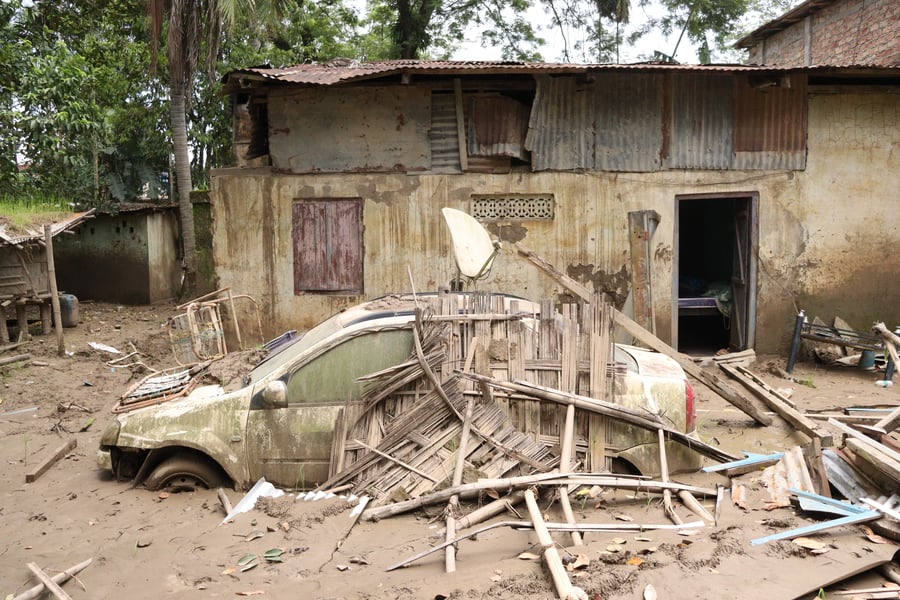
Assam has lived with floods for generations. The Brahmaputra, one of the world’s largest rivers by discharge volume, swells every monsoon season. But the intensity of this year’s event has prompted renewed demands for a reassessment of how the region’s rivers are managed. Several districts in Upper Assam that had not flooded with this severity in living memory were inundated this year, including areas local officials had not classified as flood-risk zones.
Coal remains central to India’s energy economy, and Nagaland’s coalfields have been the subject of persistent disputes over informal extraction methods that the National Green Tribunal banned in 2014 but which have continued in practice across remote areas. As India pursues India-China BRICS border engagement and other diplomatic priorities, the political capacity to restrict profitable extraction industries in already-marginalized northeastern states has not kept pace with the environmental reality.
What the government has pledged is relief funding. What researchers say the situation demands is a moratorium on new mining licenses in the Naga Hills until an independent environmental audit is complete. Whether that audit is commissioned, or whether the waters recede, the permits continue, and the landscape is left as fragile as it was before the Dikhow overflowed, is the question the affected communities are pressing their government to answer.
Debiram Panika is still searching for Radhika’s body. The river has not given her back.