
MOSCOW — The statement runs to two sentences and manages to say nothing that could be checked.
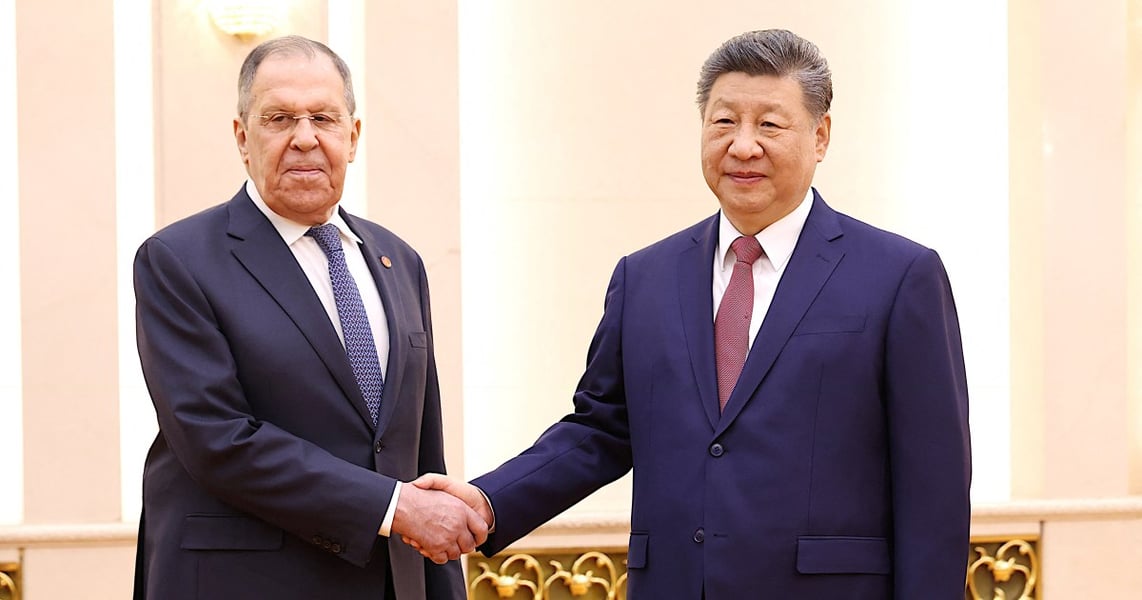
Sergey Lavrov spoke by telephone with Mauro Vieira, Brazil’s foreign minister, the Russian foreign ministry said on Friday. The conversation took place in what the ministry called a traditionally constructive and trusting manner. The two discussed a number of bilateral and international issues, including the schedule of upcoming contacts.
That is the whole thing. No subject is named. No position is stated. No date is given for the contacts whose schedule was apparently the point of discussing. There is no Brazilian readout to set against it, and Itamaraty has not said what, if anything, Vieira raised.
Which raises the obvious question of why a ministry publishes a statement containing no information, and the answer is that the absence is the product. Moscow issues these because the existence of the call is what it wants on the record. A Russian foreign minister who can be shown speaking cordially to the foreign minister of the largest economy in South America is a foreign minister who is not isolated, and demonstrating that is worth more to the ministry than any specific thing the two men said.
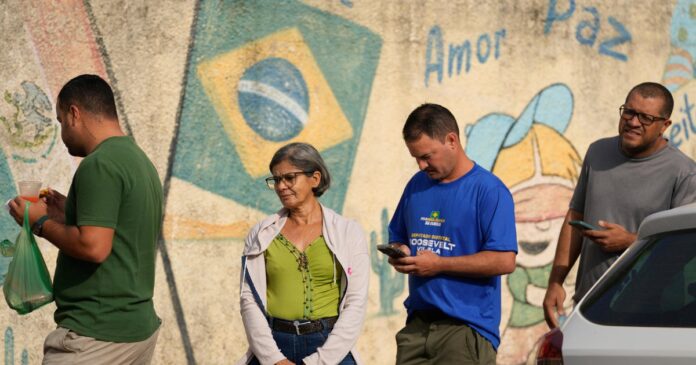
Brazil, for its part, takes the call because declining it would be a decision. It has spent the war refusing to make one. Brasilia has not joined Western sanctions on Russia, has kept buying Russian fertiliser and refined fuel, has stayed in BRICS alongside Moscow, and has periodically floated itself as a mediator on Ukraine without ever producing a proposal either belligerent engaged with. That posture has costs and benefits, and its central feature is that it requires never being forced to choose.
The pattern is not confined to Brazil, and it is the more interesting frame. Russia’s diplomacy this year has been overwhelmingly directed at states that have declined to pick a side. India remains the largest single buyer of Russian crude despite three years of designations, and Vladimir Putin is due to meet Narendra Modi at the Shanghai Cooperation Organisation summit to work on the trade balance between them. The through-line is that where Moscow has European counterparts, it argues; where it has non-aligned ones, it schedules.
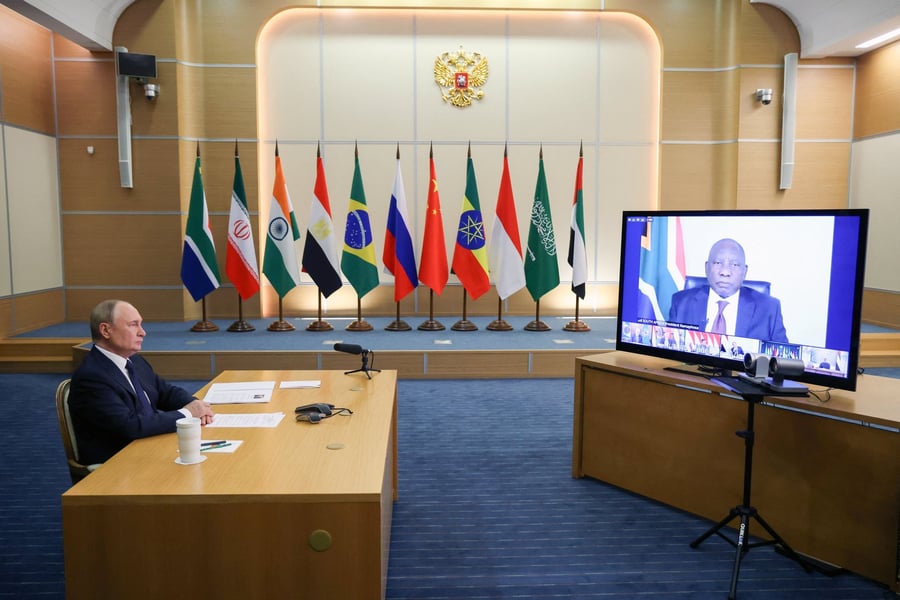
The contrast with the European track is stark and deliberate. The same ministry spent this week saying that European overtures on Ukraine are only ever attempts to buy Kyiv a pause, and that no official contacts with Germany exist because of what it called aggressive anti-Russian rhetoric. Constructive and trusting is the register reserved for governments that have not imposed anything.
There is a timing element that neither ministry mentioned. Brazil holds general elections in October, and a foreign minister’s diary in the run-up to a national vote is a political document as much as a diplomatic one. Whether the upcoming contacts referred to in the readout fall before or after that is not stated, and it would tell you something if it were.
What cannot be determined from a statement of this kind is whether anything was actually transacted. Ukraine may have come up. Trade may have come up. A BRICS matter may have come up. The ministry’s formulation is broad enough to cover all of them and specific enough to commit to none, which is what the phrase bilateral and international issues exists to do.
It is worth being honest that this may simply be what it appears to be, which is a routine call between two ministries that speak regularly, announced because announcing it is cheap. Not every diplomatic readout conceals something. Most of them conceal nothing because there is nothing to conceal.
The thing to watch is the schedule. If the contacts the two men discussed turn out to be a visit, a summit appearance or a BRICS-level meeting with a date attached, the call was preparation. If nothing follows, it was maintenance, and the statement will have been the entirety of the event.