
MOSCOW — Russia’s natural resource base grew to 273.2 billion tonnes of coal in 2026, rising by 825.6 million tonnes from the year before and cementing the country’s position as the world’s fifth-largest holder of the fuel, the Natural Resources Ministry told RIA Novosti. Only China, the United States, India, and Australia hold more.
The figure underlines a gap that has defined Russia’s coal sector for three years: a resource base that keeps growing even as the industry bleeds cash and loses export customers. Mining companies recorded combined losses of 408 billion rubles in 2025, with projections for 2026 running between 500 and 575 billion rubles. Two-thirds of operations are unprofitable. More than two dozen firms have shut since last year.
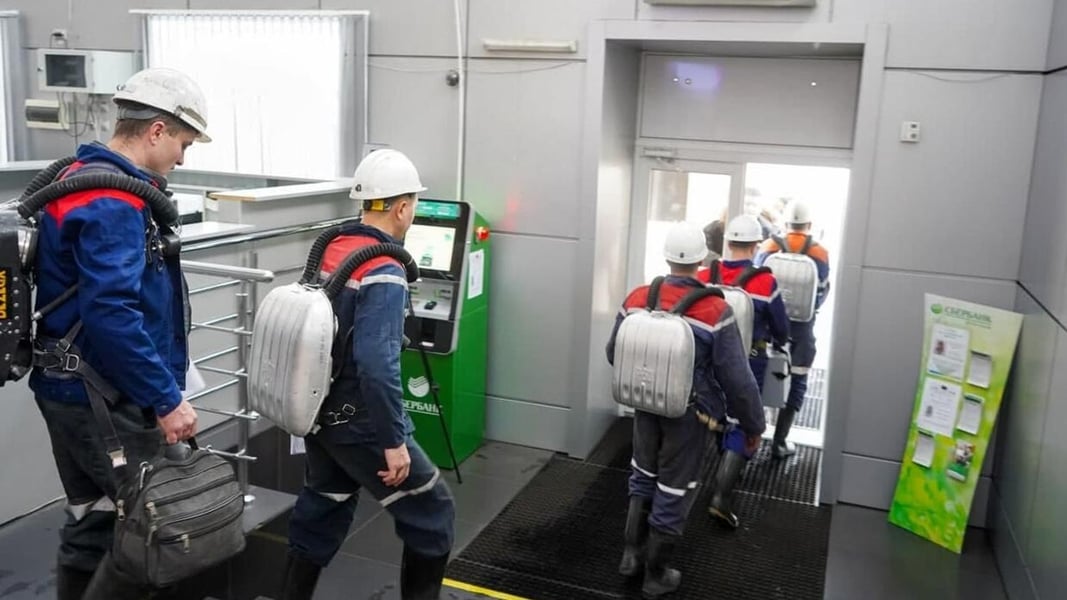
Production in the first seven months of the year fell to 249 million tonnes, a decline of nearly 2 percent from the same period a year earlier, according to the Federal Statistics Service. The Kemerovo region, Russia’s Kuzbass coal belt and the sector’s biggest producing zone with around 150,000 workers employed, registered its steepest quarterly contraction, with extraction falling 7 percent in the first three months of 2026. The governor of Kemerovo warned publicly that the year would be “even more challenging” for mining companies.
The 273.2 billion tonnes breaks down across fuel grades. Brown coal, the lowest-energy lignite variety, accounts for the largest block at 146 billion tonnes. Bituminous coal, covering thermal and coking grades, adds 120.4 billion tonnes. Coking coal, the metallurgical grade used in blast furnaces, stands at 50.1 billion tonnes, a strategically important reserve for Asia’s steel sector. Anthracite, the highest-grade variety, makes up the remaining 9 billion tonnes.
Export volumes, the lifeline the sector depends on since domestic demand cannot absorb output at current production levels, are projected to fall between 5 and 8 percent in 2026, landing at roughly 195 to 200 million tonnes. Turkey, one of Russia’s most significant coal customers in recent years, cut purchases by 27 percent in the first quarter compared with the same period a year earlier. The driver is a combination of lower global prices making Australian and South African coal more competitive, and persistent commercial pressure on Turkish firms from Western sanctions advisers.
According to TASS, Russia’s total coal exports reached 34.9 million tonnes in the first quarter of 2026, a marginal fall of 127,000 tonnes or 0.4 percent compared with 2025. That figure is narrower than the full-year decline forecasters are projecting, and second-quarter data has not yet been consolidated, leaving the pace of deterioration uncertain.
Russia’s Energy Ministry set a production and export target for 2026 matching the prior year’s levels of 440 million tonnes and 211 million tonnes respectively. The current trajectory makes that target difficult to reach.
The eastern shipping corridor, coal moving by rail through Siberia to Pacific terminals for onward delivery to China and other Asian buyers, became the primary export route since European markets largely closed following 2022. But bottlenecks on the Trans-Siberian and Baikal-Amur Mainline railways constrain how much volume can realistically move regardless of demand, and capacity constraints at eastern coal terminals have added to those limits.
Russia’s fifth-place ranking on global reserves carries less commercial weight when filtered through those logistical constraints. The Senate passage of legislation threatening tariffs on the five largest buyers of Russian energy adds another variable, though coal imports receive less direct treatment than oil and gas in that bill.
The broader sanctions environment has squeezed the economics of Russian coal. Shipping insurance, financing for trade transactions, and access to Western port infrastructure have all tightened since 2022, raising the effective cost of moving Russian coal to market and compressing margins that keep operations viable. Moscow has insisted demand for Russian energy remains strong from buyers in Asia and the Global South, but the coal sector’s balance sheets tell a different story from the oil and gas business.
What the 273.2 billion tonne figure cannot capture is the timeline between reserves sitting underground and revenue reaching export terminals. The 825.6 million tonne increment since 2025 reflects ongoing geological survey activity in Siberian and Far Eastern deposits not yet in active production. Whether those proved reserves can be converted to export revenue depends on infrastructure timelines and market access that 2026 has done little to ease.