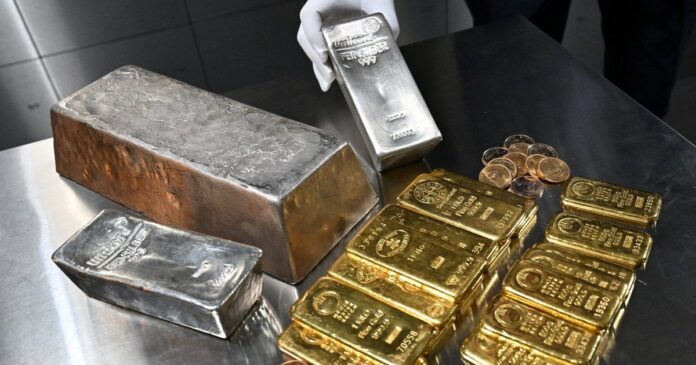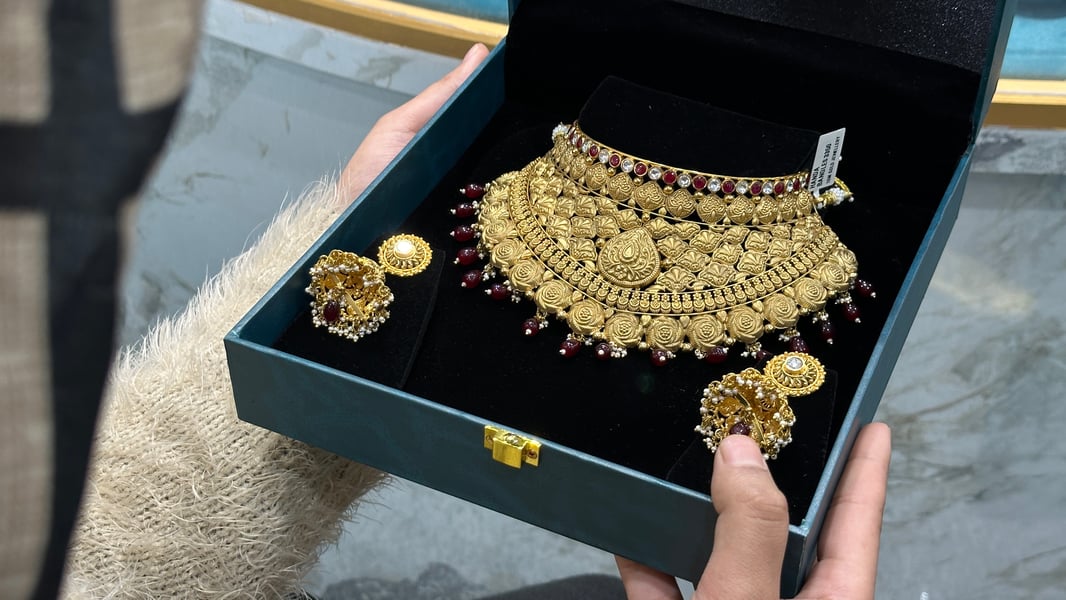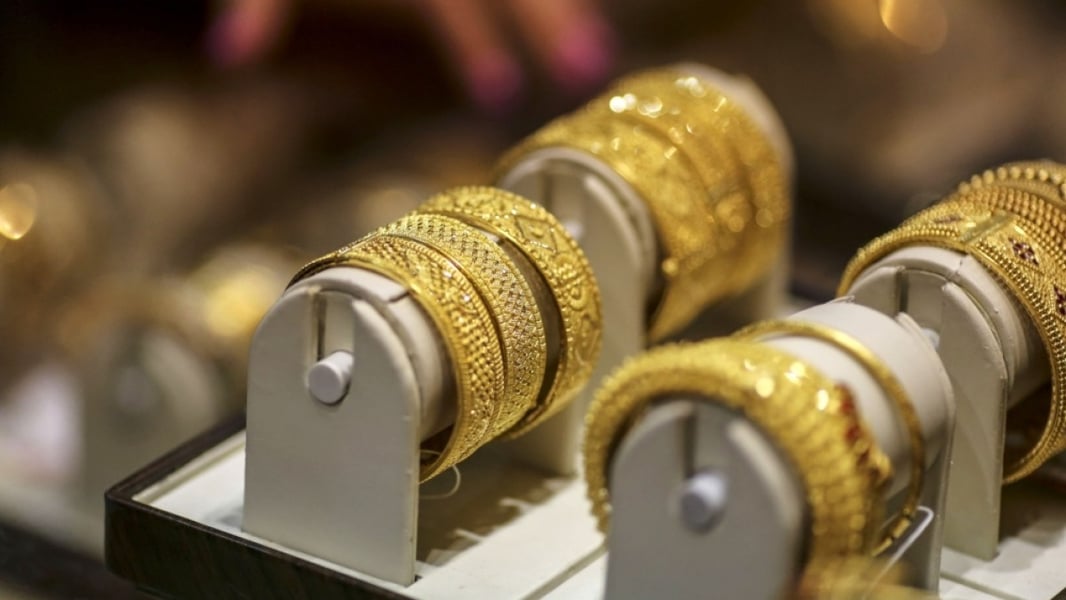

PATNA — Bihar’s state capital registered the day’s lowest 24-karat gold rate among India’s major cities on August 31, with metal priced at ₹15,875 per gram — a ₹15 discount to Delhi’s ₹15,905 and ₹15 below most national benchmarks. In absolute terms the spread is narrow. But in a city where gold is purchased in grams rather than kilograms, and where a bridal set may represent months of household savings, ₹15 per gram translates to ₹4,500 on a 300-gram purchase — a difference that is real and worth knowing.
Patna’s persistent discount to the national average reflects a combination of factors: lower local state levies, thinner wholesale volumes that reduce the margin compression found in high-footfall hubs, and the city’s geographic distance from Delhi, Mumbai, and Chennai’s dominant wholesale markets. The India Bullion and Jewellers Association publishes a reference rate daily, but local adjustments push Patna’s effective price below the major-market average on most trading days.
| Purity | Per Gram (₹) | Per 10 Grams (₹) | Change vs. Friday |
|---|---|---|---|
| 24 Carat (999 fine) | 15,875 | 1,58,750 | ▲ ₹18 (+0.11%) |
| 22 Carat (916 hallmark) | 14,547 | 1,45,470 | ▲ ₹16 (+0.11%) |
| 18 Carat | 11,918 | 1,19,180 | ▲ ₹13 (+0.11%) |
The national context is what most Patna buyers are really watching. Multi Commodity Exchange October gold futures closed within reach of all-time records, and Comex gold held above $3,500 per troy ounce through the final week of August. Neither the Federal Reserve’s posture — unchanged and clearly communicated at the Jackson Hole Symposium last week — nor the geopolitical calendar offers a near-term catalyst for a significant price reversal. Gold has been above ₹15,000 per gram for months. Patna’s buyers, drawn from a state with some of India’s highest gold purchase rates relative to household income, have largely recalibrated to the new price level rather than waiting it out.
The autumn festival calendar is what defines Patna’s gold market cycle. Chhath Puja — Bihar’s signature observance and one of the most significant Hindu festivals in eastern India — drives the year’s dominant gold-purchase period. Preparations begin weeks in advance at the household level, with buyers negotiating purchases in Hathwa Market and the jewelry clusters along Boring Road and Frazer Road. At ₹15,875 per gram on August 31, a 10-gram purchase in 24-karat metal costs ₹1,58,750 — a record for most buyers who remember prices from five years ago.
The festival-purchase calculus in Patna is more explicit than in larger metros. In Mumbai or Bangalore, a portion of gold demand is investment-driven: SIPs into digital gold, ETF purchases, or systematic institutional accumulation. In Patna, the dominant demand signal is occasion-based — weddings, Chhath, birth ceremonies. The buyer entering Hathwa Market on August 31 knows exactly what quantity is needed and is negotiating primarily on making charges and wastage, not speculating on the direction of Comex. That specificity of purpose is both a cultural characteristic and a practical adaptation to lower average household incomes relative to metropolitan markets.
The World Gold Council’s mid-2026 demand data showed that Indian households added to gold holdings even as prices moved above ₹15,000 per gram — a departure from historical elasticity patterns that would have predicted significant demand suppression at record prices. Bihar’s buying contributed to that national data. The state’s gold consumption as a share of household savings remains among the highest in India by survey data, reflecting both deep cultural preference and the rational reality that diversified financial instruments remain less accessible to rural and semi-urban buyers than they are to urban households.
22-karat gold at ₹14,547 per gram is the dominant jewelry category in Patna’s bridal market. 18-karat pieces track at ₹11,918 per gram and are used in contemporary fashion sets increasingly popular among younger buyers influenced by design trends from Chennai and Kolkata. Bureau of Indian Standards hallmarking is mandatory across India above stipulated weights, and Patna’s established retailers comply fully. Buyers purchasing from smaller outlets in outer districts are advised to verify the HUID certification number at the point of purchase.
| Contract | Rate (₹/10g) | Change vs. Friday |
|---|---|---|
| MCX Gold 24K (Oct 2026 expiry) | 1,56,820 | ▲ ₹165 |
| MCX Gold 22K | 1,43,688 | ▲ ₹151 |
| MCX Silver (Dec 2026 expiry, per kg) | 2,56,200 | ▲ ₹480 |
For the full nine-city comparison of August 31 gold rates, the India Gold Price Today master report covers all major markets in a single table. For comparison with the nearest urban price benchmarks, today’s rates in Delhi and Kolkata are the most relevant reference points from Patna’s market geography.
The ₹15 discount that distinguishes Patna from Delhi is not a reason to buy more gold than planned — at these price levels, any purchase should be need-based. But for families with Chhath purchases ahead, the local price advantage is real. Whether Patna’s market will hold its discount through October, or whether Chhath demand compresses the spread as the festival approaches, is a question the Hathwa Market will answer in six weeks.