
LOS ANGELES — Dennis Robertson did not hide what he was doing.
In meetings with Steve Ballmer’s team, the man who served as Kawhi Leonard’s business adviser made the arrangement explicit: he needed at least $10 million annually for Leonard’s off-court income, and he expected Ballmer’s organization to deliver it. “I have to get paid,” Robertson told the Clippers owner directly, according to the investigation report produced by the law firm Wachtell, Lipton, Rosen and Katz. Ballmer, in turn, described the team’s personnel as “collective workers to try to help [Leonard] achieve his financial goals.”
That exchange, now documented in the report’s findings, is the center of what the NBA punished this week. Not a misunderstanding. Not a compliance gap attributable to the chaos of the COVID-19 pandemic. A deliberate arrangement, discussed explicitly between the people who built it, involving four companies that existed on paper as legitimate endorsement partners and functioned in practice as conduits for money the salary cap was designed to prevent.
The four companies were Aspiration, Boingo, Daktronics, and Lockton. The combined payments to Leonard across Boingo, Daktronics, and Lockton totaled approximately $18 million, paid in full by August 2021. Aspiration, the green-banking startup whose co-founder was subsequently convicted of defrauding investors and sentenced to 14 years in federal prison, is now bankrupt. None of the four companies had a prior relationship with Leonard before the agreements were signed. None of the arrangements were publicly announced.
The mechanics of how those relationships were established matter as much as the amounts involved. Gillian Zucker, the Clippers’ president of business operations, was at the center of the company connections. Her husband chaired the board of one of the endorsement companies. She had a 30-year personal relationship with the chief executive of another. The Wachtell Lipton report concluded she made “inconsistent statements” during the investigation. Her suspension is one year without pay.
Lawrence Frank, the Clippers’ president of basketball operations, received a six-month suspension without pay. The report noted that he cooperated fully and gave consistent statements throughout the investigation. Frank’s culpability appears to have been proximity and institutional knowledge rather than active construction of the scheme.
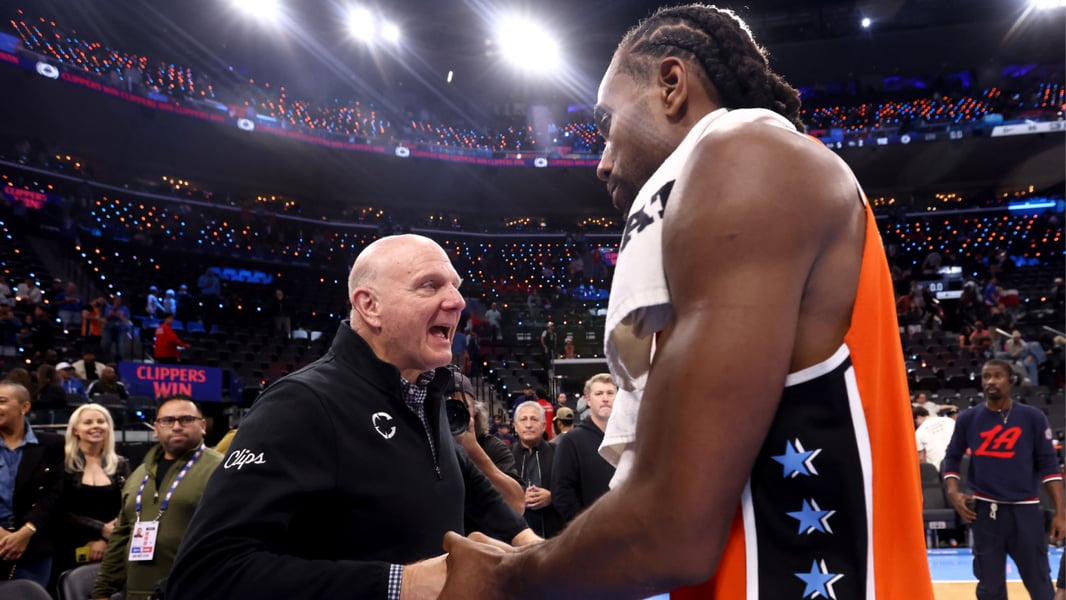
What he demanded and received followed from his access. He had direct conversations with Ballmer. He had the leverage of representing a player the Clippers had made the centerpiece of their franchise ambitions, and he used it. “I have to get paid,” he said. Ballmer’s characterization of team personnel as collective workers for Leonard’s financial goals suggests those conversations were not adversarial; they were collaborative. Robertson was not demanding something Ballmer resisted. He was demanding something Ballmer agreed to structure.
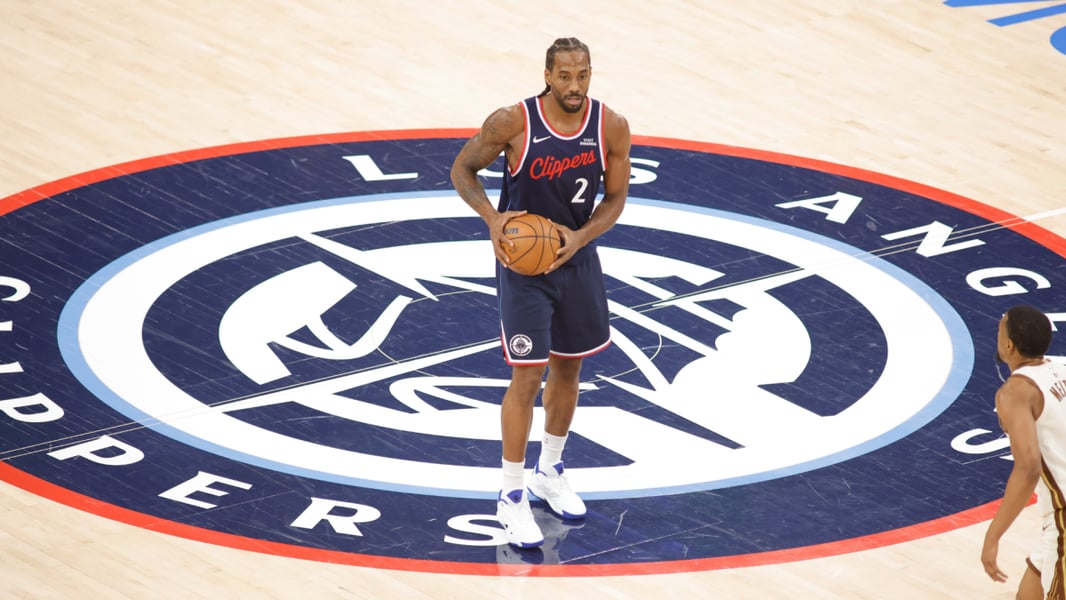
Leonard’s penalty is $700,000, according to CBS Sports. For a player who earned approximately $48 million last season, the fine is a financial inconvenience. The NBA’s report stopped short of concluding that Leonard had active knowledge of every mechanism the scheme employed. His obligations under the endorsement agreements were described as minimal: a single military base visit, some signed memorabilia. That supports the inference that he was the financial beneficiary of an arrangement without necessarily being its architect.
Whether that distinction holds up outside the NBA’s own investigation is harder to assess. The Wachtell Lipton report is what the league’s disciplinary process relied on, and Commissioner Adam Silver chose the sanctions those findings warranted. The Clippers have called the entire process a witch hunt, with attorney David N. Kelley pledging every legal remedy available, as Yahoo Sports reported. That challenge plays out in court, with no established precedent for how it resolves and no defined timeline.
For Robertson, the Clippers’ legal challenge changes nothing that already applies. The five-year ban is in effect regardless of what the franchise pursues. He can follow Ballmer into court or remain outside the litigation entirely. Either way, the NBA’s most consequential individual finding concerns him: he was the one who named the number, stated the expectation plainly, and built the network of companies that delivered it.
The investigation that produced these findings began with a podcast series by journalist Pablo Torre, first published nearly a year ago, and took the better part of a year to conclude. The preliminary investigation had already interviewed Leonard and Robertson before the report was finalized. The historic penalties (five consecutive first-round picks stripped, Ballmer suspended and fined $30 million, the franchise under five years of compliance monitoring) were announced once the report was complete.
What the report adds to the penalty announcement is accountability at the individual level. The numbers the league imposed on the Clippers are historic. The name that explains how the numbers were justified is Dennis Robertson, who told the owner of an NBA franchise that he had to get paid, and the owner agreed to find a way.