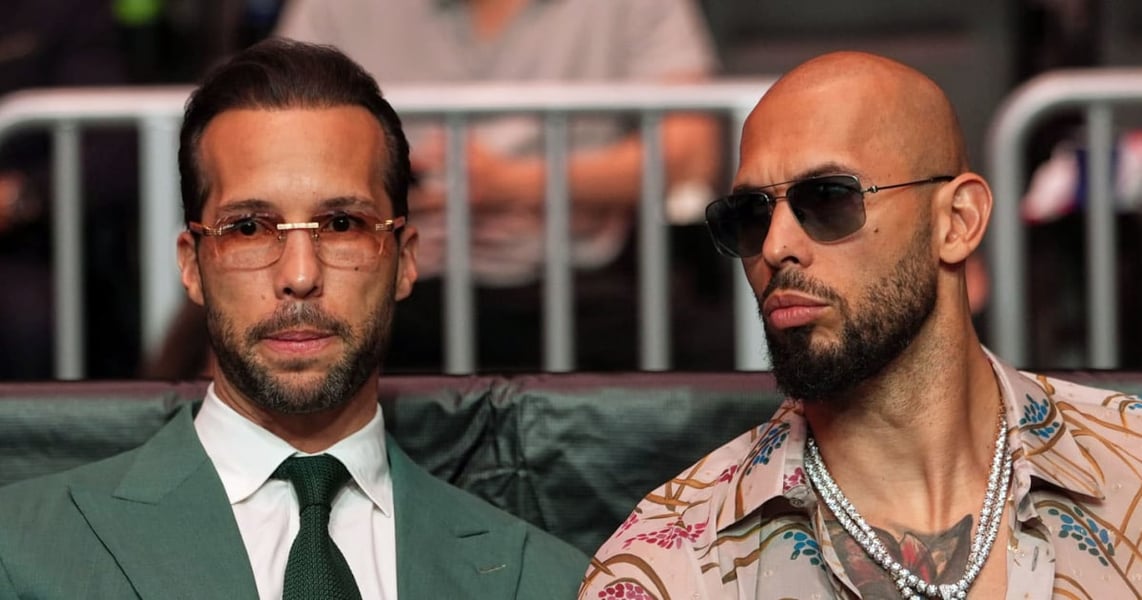

MIAMI – The women who reported what the Tate brothers allegedly did to them waited years for the British legal system to act. On Wednesday, a federal magistrate in Miami gave them something they had not had before: the assurance that the men they accuse will remain behind bars while the extradition process that could bring them to a UK court finally moves forward.
US Magistrate Judge Lauren Louis denied bail to Andrew and Tristan Tate on September 9, ruling they must remain in custody at the Federal Detention Center in Miami while they contest Britain’s extradition request. The judge rejected the brothers’ argument that their high-profile status made flight impractical, calling them “quintessential flight risks” in light of their wealth and their documented history of moving between jurisdictions, NBC News reported. Their resources and global reach, the court found, were not assets that constrained their ability to disappear. They were the very things that made disappearing possible.
The United Kingdom wants the brothers to answer 59 criminal charges, including rape, sexual assault, facilitating trafficking for sexual exploitation, assault, and offenses relating to indecent images of a child and extreme pornography. The charges reflect a UK Crown Prosecution Service investigation into allegations raised by seven women in the East of England, spanning the years 2010 to 2017. The brothers were arrested on July 18 by US Marshals in Miami, where they had traveled for a bare-knuckle boxing event, following a sealed extradition warrant that was executed at the moment of their arrest. EH reported on the brothers’ arrest and the scope of the UK charges at that time.
The Romania dimension adds a separate layer. Romanian prosecutors have investigated the brothers for years on charges of human trafficking and forming an organized criminal group for sexual exploitation. In early September, prosecutors in Bucharest indicted Andrew Tate separately on suspicion of trafficking minors, money laundering, sex with a minor, and witness tampering; Tristan faces complicity charges in those proceedings. Both brothers have denied all allegations in both countries. The earlier Romania case, which drew worldwide attention following the 2022 Bucharest arrest, is covered in EH’s report on the Romanian charges.
On August 5, Reem Alsalem, the UN Special Rapporteur on violence against women and girls, described the US extradition proceedings as a step toward accountability that was long overdue. She noted that women had spent years watching their testimonies dismissed by law enforcement, and said the proceedings offered renewed hope for effective international cooperation, Arab News reported. She called the case particularly urgent given the brothers’ global influence in what she characterized as the promotion of misogyny and harmful models of masculinity, and urged that accountability extend to those who had aided and profited from the alleged enterprise.
That platform dimension sits at the center of an unresolved question. Andrew Tate was banned from most major social media platforms in August 2022 following widespread complaints about videos in which he discussed relationships with women in terms critics compared to descriptions of coercive control. He was later reinstated on X. His following, built heavily among young men, runs to tens of millions across platforms, and researchers have linked his content to documented shifts in attitudes toward gender and sexual violence among adolescent viewers. What platforms do, or choose not to do, with accounts belonging to men facing 59 rape and trafficking charges is a question the Miami bail ruling does not address.
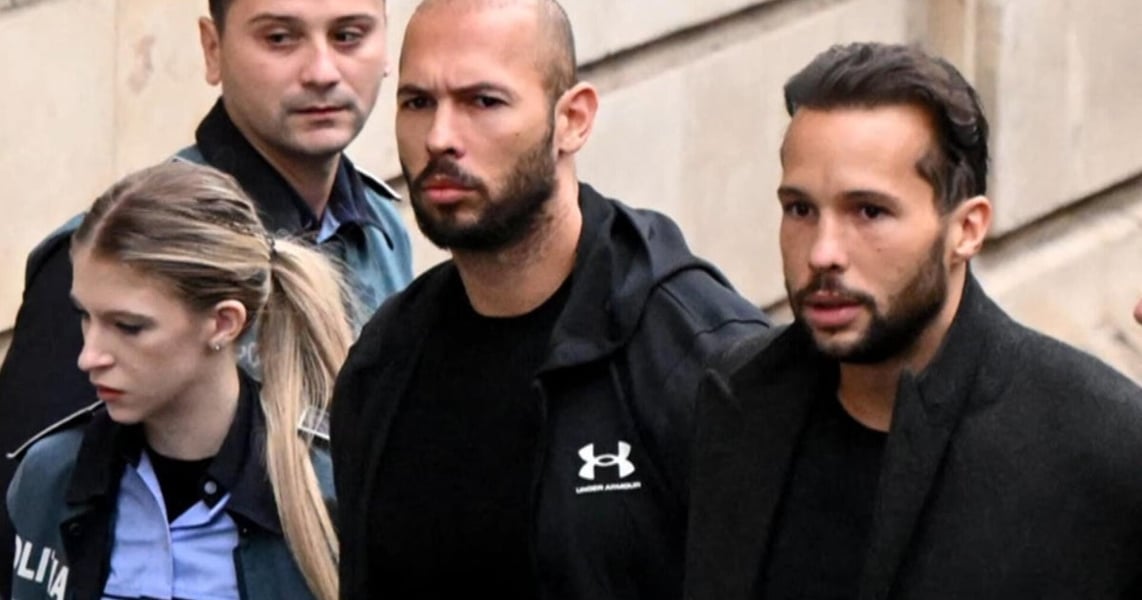
The formal extradition process now enters its structured phase. US courts must evaluate whether Britain’s request meets the legal threshold for extradition, principally whether the alleged conduct would constitute offenses under US law. On that test, the UK’s charges involving rape and trafficking are unlikely to present significant obstacles. What will take longer are the procedural stages: challenges to the sufficiency of the warrant, appeals on individual legal questions, and any arguments the brothers choose to raise about conditions of potential UK detention. Federal extradition cases can stretch for months or years when defendants pursue every available avenue, even in cases where the underlying factual record is not in dispute.
Whether these proceedings ultimately deliver a UK trial date is the question nobody in the case has yet answered. For the seven women in the East of England who came forward with their accounts, some of them more than a decade ago, that question has been open for a very long time. The Miami ruling does not close it. It removes one variable the Tate brothers had been trying to preserve: the freedom to conduct their legal fight on their own terms.