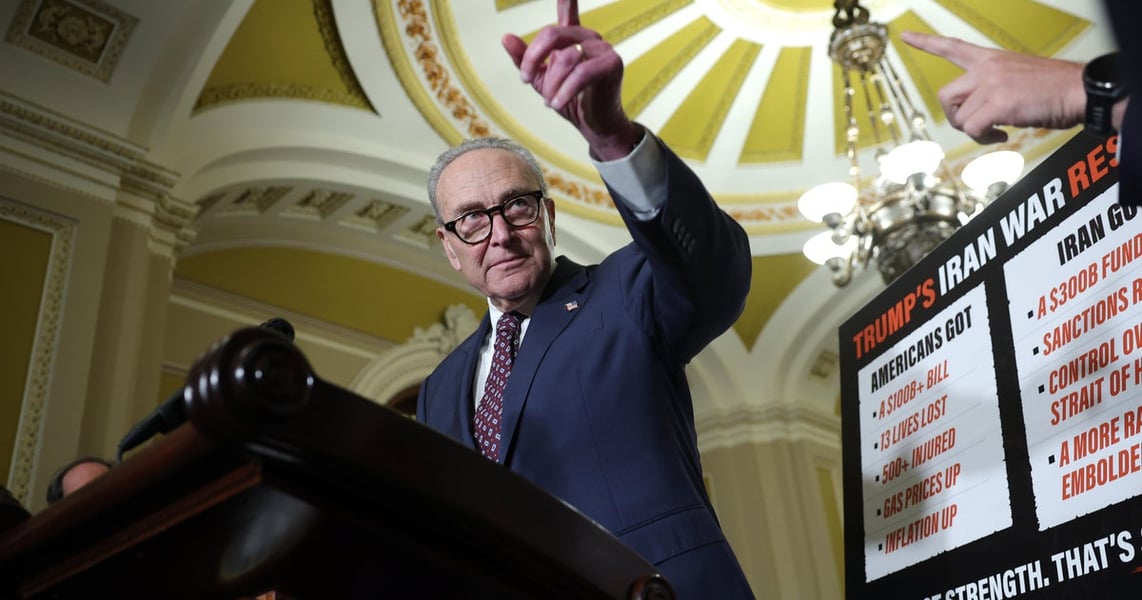

WASHINGTON — The men and women voting to fund the Iran war will, in all likelihood, have already been removed from office by the time they cast that vote.
Congress returned to Washington on Monday for what leaders in both chambers privately describe as a formality week, seven days before lawmakers scatter to their districts and do not return until after November 3. Sixteen legislative days remain before the midterms. The $200 billion supplemental funding gap the Iran war has opened in the Pentagon’s budget will not be addressed before a single one of them.
The mechanics are straightforward. Trump signed a continuing resolution last month that keeps the government funded through December 11 but contains no emergency war appropriation. The Pentagon, drawing down existing accounts and borrowing from modernization funds since February, is running out of budget room.
Defense Secretary Pete Hegseth told a Senate hearing in July that the department needed at least $80 billion immediately; the full six-month war tab, according to congressional budget staff, has since passed $200 billion. The next binding vote Congress takes on any of that will be cast in December, by members of a lame-duck session that voters will have already replaced.
Senate Majority Leader John Thune has spent the late summer constructing what aides call Reconciliation 3.0, a third attempt to move war money through a partisan budget process that sidesteps the Senate’s 60-vote threshold. The House passed a budget blueprint in July, as NPR reported, that would unlock $73 billion in Iran war supplemental spending alongside $12 billion in farm aid and $10 billion to implement the SAVE Act. The Senate has not moved the blueprint forward. Thune, according to congressional sources, is holding the framework as a backstop against the December government-funding deadline rather than as a standalone priority.
The political calculation runs deeper than scheduling. Every Republican senator on the ballot in November, and several who are not, spent the summer watching Trump’s war approval numbers erode alongside his general approval, which has fallen to a net minus 24 nationally. Forcing a $200 billion Iran war spending vote weeks before Election Day is the sort of thing that generates ads and loses seats. Delaying it to December requires no courage and makes no news, at least not before the votes are counted.
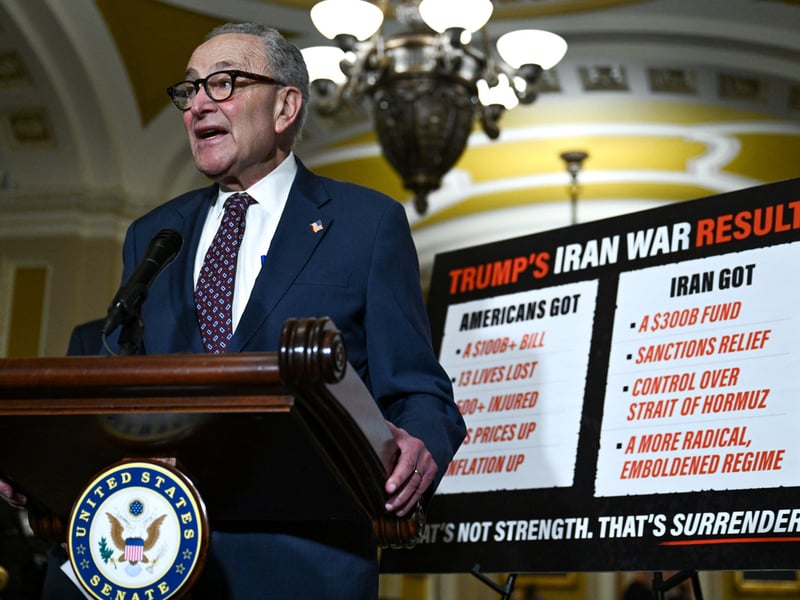
What separates this from ordinary congressional delay is the structural insulation it creates. Lame-duck sessions have passed significant legislation before: the TARP bailout in 2008, a tax cuts extension in 2010, large-scale supplemental aid packages in late 2022. Each time, the argument was that outgoing legislators could act with more political freedom because they had no electoral consequences left to manage. That argument sounds reasonable when applied to uncontroversial emergency measures. It sits differently when applied to funding an active war that polling consistently shows a majority of Americans oppose.
Trump’s own framing has done little to clarify the timeline. Speaking at the Pentagon on the 25th anniversary of the September 11 attacks, he cast the Iran conflict as a continuation of the war on terror, borrowing the language of the 2001 Authorization for the Use of Military Force to justify a conflict that authorization’s authors never contemplated. Trump later said the war would end “very soon” after the midterms, a formulation Tehran quickly rejected. No vote to authorize the Iran war has ever been taken in either chamber. The December funding vote will be the closest Congress comes to a formal position on whether the conflict should continue, and it will be cast by people their constituents have already removed.
The gap lands hardest on the Pentagon’s operational commitments. Hegseth has been managing the shortfall through reprogramming requests, account transfers requiring only committee notification rather than a floor vote, and through drawdown orders on pre-positioned Gulf stockpiles built over the preceding decade. Those stockpiles are not unlimited. Defense analysts have estimated that a December appropriation, once enacted, would not translate into meaningful spending in the field until late winter 2027. The compounding fiscal pressure extends beyond the defense budget: Iran war gas prices are already pushing Federal Reserve rate hike odds toward 90 percent, tightening the fiscal environment in which any war supplemental would land.
Congressional sources told NPR that all significant national security decisions were being held until after the election regardless of outcome. Republicans anticipating a clean sweep planned to use the lame-duck session to pass war funding on their terms. Democrats expecting House gains were calculating the same. Nobody in either leadership expected the Iran war funding vote before November 3. Nobody has explained, publicly, why the legislators voters are replacing should be the ones to cast it.
Voters in 50 states and five territories will get their say on November 3. Congress will get its say in December. The war, for now, waits.