
KYIV — Ukraine’s most concrete peace signal in months came Friday from an unlikely backdrop: an air-raid alert that had been sounding since before dawn.
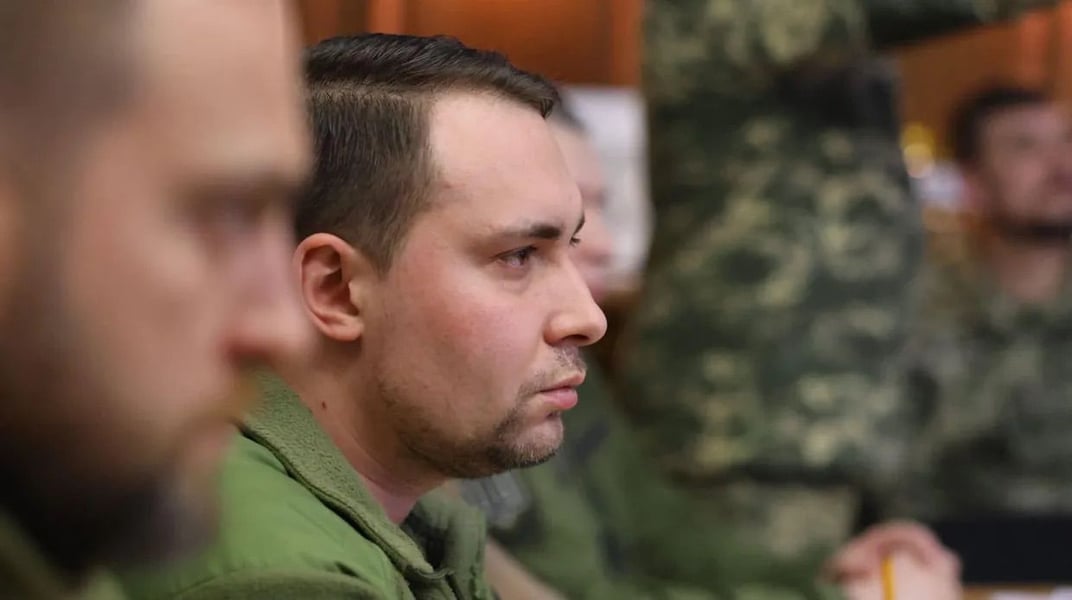
Kyrylo Budanov, speaking to reporters on the sidelines of a security conference in Kyiv, said preparations were underway for a new round of trilateral negotiations involving Ukraine, the United States and Russia, with October emerging as the likely window.
His comments offered the clearest indication yet that another attempt at direct diplomacy may be taking shape — even as the war continued around him.
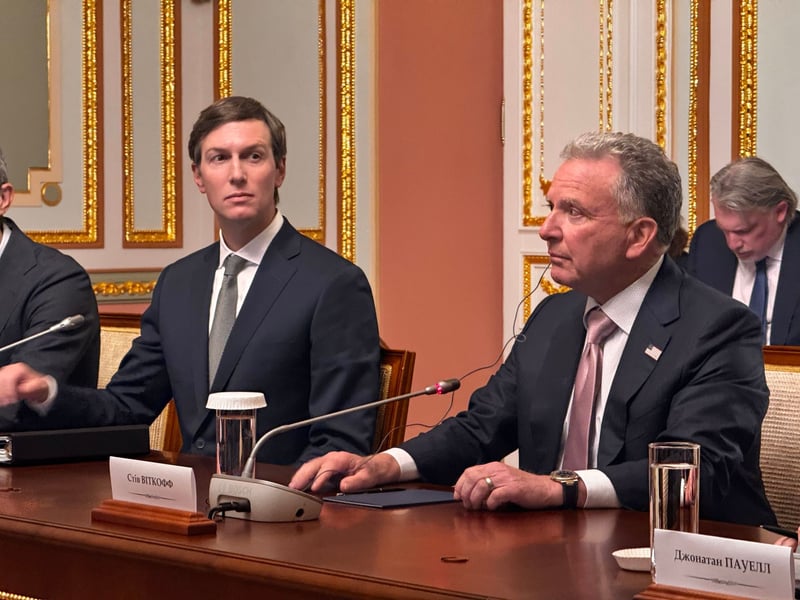
The timing fits a pattern that has been building for two weeks. On September 6, US special envoys Steve Witkoff and Jared Kushner completed back-to-back visits to Moscow and Kyiv, holding three-hour talks with Russian President Vladimir Putin before meeting Volodymyr Zelensky the following day. Witkoff said afterward that “substantive progress was made, including movement on scheduling additional trilateral talks,” according to NPR. The diplomatic machinery, he said, was moving. Nothing had stopped shooting.
That combination — progress on talks, continuation of the war — has been the defining logic of 2026’s diplomacy around Ukraine. Zelensky himself made it explicit. After Witkoff and Kushner left Kyiv, the Ukrainian president told reporters he expected “the war will continue” into the winter months, even as he confirmed his side was prepared to return to trilateral negotiations, the Kyiv Independent reported. Budanov’s statement Friday appears to be the institutional follow-through on that readiness: not an agreement, but a scheduling intention.
Russia’s position has been stated with matching clarity by Kremlin foreign policy chief Sergey Lavrov. Moscow refuses to halt strikes on Ukraine as a precondition for any talks — a stance consistent with everything Russia has said throughout the year. The Kremlin’s argument is that a ceasefire is not the prerequisite for diplomacy but a potential product of it. That framework means the October talks, if they happen, would occur alongside the war. Both sides appear to have accepted this.
The acceptance has a backdrop that neither diplomatic track has paused to acknowledge.
Vladimir Putin appeared at the BRICS summit in New Delhi earlier this week, where he warned European governments that deploying troops to Ukraine would constitute a direct act of war against Russia — language sharper than anything the Kremlin had used publicly this year. The White House did not respond. What that silence means — a deliberate diplomatic space for Witkoff’s channel to operate, or simply the administration’s preference to let Moscow’s statements pass — is not something the State Department has explained.
In Washington, the legislative dimension of Ukraine policy has become entangled in separate fights. The House is scheduled to vote the week of September 15 on a Russia-Iran sanctions bill that the Senate passed 86-11 in August — but Democrats who support Ukraine sanctions may vote against it because Trump backed the measure only after it was amended to grant him tariff powers over China and India that federal courts had previously curtailed. Even Ukraine policy has become a vehicle for something else.
What Budanov’s October signal does not resolve — and what no one at Friday’s conference pressed him on — is the substance of what the talks would actually address. The previous rounds of trilateral negotiations produced no agreed territorial framework, no commitment from either side on what a durable end to the Russian operation in Ukraine would require, and no ceasefire. A new October round would enter the same room carrying the same unresolved questions. The one thing that has changed is that both sides are willing to return.
Budanov did not name a venue for the proposed October talks. Earlier reports had suggested the Middle East as a possible location; he declined to confirm or deny them. He stepped back inside the conference building. The sirens in Kyiv were still running.