
KYIV — The distance between Volodymyr Zelenskyy and Vladimir Putin has never been measured in geography alone. On Saturday, it acquired a specific address.
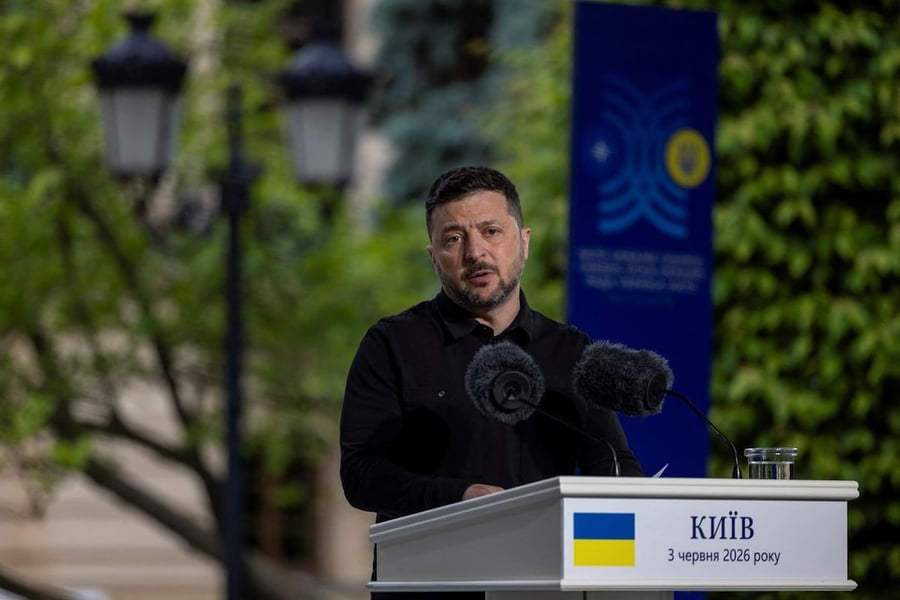
Zelenskyy told Deutsche Welle he was willing to meet Putin at the Group of Twenty summit in Miami in December, neutral ground hosted by a country that has backed Ukraine’s war effort and would give both leaders an equal chair. “Yes, of course,” he said, when asked if he would attend such a meeting if invited.
The Kremlin had already closed the door before Zelenskyy’s words circulated. Spokesman Dmitry Peskov told reporters that a Miami meeting was “impossible.” Russia’s foreign minister, Sergey Lavrov, was more specific: if Zelenskyy wanted to meet Putin, he should come to Moscow. Russia would not pause its military operation during negotiations, Lavrov added.
The venue dispute is a sovereignty argument dressed as a scheduling problem. Moscow’s insistence that any summit take place in the Russian capital carries a precise signal: the party that travels to the other’s capital has acknowledged a hierarchy it may not intend to concede. Miami offers nothing, no flag advantage, no architecture of power, no embedded message about who the stronger party is. That is exactly why Zelenskyy agreed to it, and exactly why Russia refused.
Both statements arrived against a backdrop that complicated any reading of the conflict as near its end. Overnight on Saturday, Russia launched more than 450 drones into Ukraine, one of the heaviest barrages since the summer. Ukrainian air defenses intercepted the majority, but debris struck residential buildings in at least four regions. Cities were darkened by precautionary blackouts. The diplomacy and the bombing campaign were simultaneous, and neither cancelled the other.
Trump spoke with Putin by phone earlier in the week, a call US officials described as constructive while the Kremlin offered no characterization. That call came as the White House has been running simultaneous diplomatic tracks, including pushing for an end to the Iran war before Trump’s self-imposed midterm deadline. American negotiators then visited both Kyiv and Moscow separately, and Ukraine’s military intelligence chief, Kyrylo Budanov, said the visits could set the stage for a next round of trilateral talks as early as October. No date has been confirmed.
Lavrov’s declaration that Russia would not halt its military operation during negotiations was both a bargaining position and a statement of leverage. Previous arrangements around humanitarian corridors and civilian infrastructure were possible only when both parties found a pause useful. Moscow’s refusal to consider one now suggests the Kremlin believes the current military situation favors continued pressure. It also forecloses the possibility of talks that could serve either side as cover for regrouping.
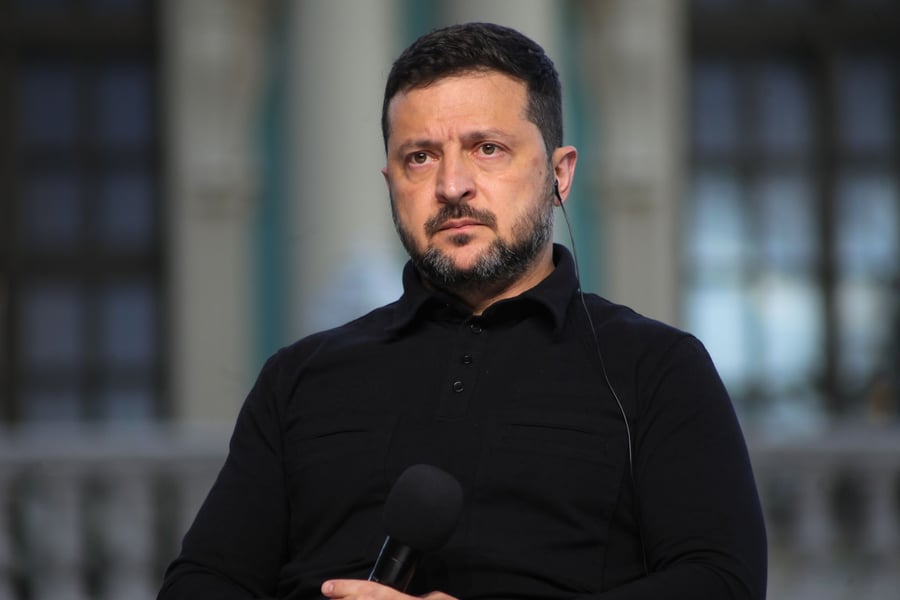
TRT World reported that the Kremlin’s rejection came within hours of Zelenskyy’s statement, suggesting the response was prepared in advance rather than improvised. Moscow has consistently treated venue selection as a substantive question. Neutral cities carry the weight of diplomatic precedent; Miami carries almost none in the Russian tradition. That absence, for Moscow, may itself be the problem.
The G20 summit is scheduled for December 14 and 15 in Miami. Russia and Ukraine are both G20 members, so their leaders could attend under the summit’s existing framework regardless of whether a bilateral meeting is arranged. The unresolved question is whether Donald Trump, as host and the only leader with an active telephone channel to both capitals, will use their proximity to engineer a conversation on the sidelines.
What neither side said on Saturday was more consequential than what either announced. Kyiv did not indicate that it was softening its territorial conditions. Moscow did not specify what terms would bring it to a neutral negotiating table. Kyrylo Budanov’s October timeline suggests movement at the technical level, while the public positions of both capitals point in the opposite direction.
A meeting in Moscow that Ukraine accepts would look like capitulation. A meeting in Miami that Russia refuses would suggest that capitulation is the only form of peace Moscow is prepared to offer.
The overnight drone count—450—was the clearest number either side put forward on Saturday. The diplomacy produced only a dispute over geography that neither party intended to resolve.