
An older Android phone may have another route to current software, but its model number alone will not settle the question. LineageOS has announced its Android 17-based 24.0 release, alongside browser-based installation tools and refreshed built-in apps. The same announcement draws a firm boundary around some older devices: official support for phones using Linux kernels 4.4 or 4.9 will remain on LineageOS 22.2.
The community project said in its October 11 changelog that version 24.0 has reached feature and stability parity with 23.2 and is ready for an initial release. More devices can follow as their maintainers prepare builds and meet the project’s requirements. That is a release process governed by device readiness, not a promise that every previous installation can move to the newest version immediately.
The Android foundation is new, although the developers describe its arrival as unusually straightforward. They have been rebasing LineageOS changes since Android 17 arrived in June. Work adapting to Google’s extensive code changes in earlier versions helped them finish faster than expected this time. The team describes the first Android 17 release as mainly iterative improvements and interface refinements, rather than presenting the version number as evidence of a wholesale redesign.
The more practical change for a prospective installer is a new set of WebUSB flash tools. They let a compatible browser communicate directly with a connected device through ADB, Fastboot, Amlogic Burn or Samsung Odin protocols. LineageOS says the aim is to reduce the need to locate and install separate desktop flashing utilities. Browser-based access changes the tool used for the job; it does not eliminate the preparation or the device-specific constraints.
The project’s installation guides remain the default supported route. Compatibility still depends on the device, browser, computer operating system and USB connection. The developers explicitly tell users to back up important data, confirm the correct device and files, and follow the relevant instructions. An easier-looking interface is not a guarantee that flashing software becomes risk-free, and the announcement does not endorse a single sequence of steps for every phone.
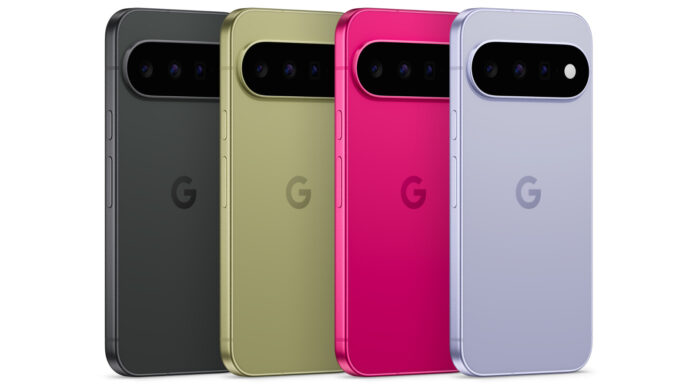
The initial build roster names devices including the Pixel 4, Pixel 4a and Pixel 10 family, alongside the OnePlus 13 and Fairphone 5. Owners still need to check their particular device’s download and wiki pages. Google’s separate Pixel software updates and LineageOS builds are different release tracks, even when the same Android version appears in their names. A listed model does not establish that a particular downloadable build has already reached every user.
The older-kernel decision is more consequential than the breadth of that roster. The project acknowledges that some devices using Linux 4.4 and 4.9 have been ported to LineageOS 23.2 or 24.0, but it will accept official submissions for those devices only on 22.2. Its explanation is maintenance: the older platforms depend on numerous awkward compatibility changes that are difficult to keep carrying into newer Android releases. An unofficial port therefore does not establish eligibility for an official 24.0 build.
Those devices are not being abandoned outright. LineageOS says 22.2 will continue receiving builds and monthly security patch merges until Google stops distributing official Android 15 security bulletins. New device submissions for that branch remain possible. For affected owners, keeping maintained older software and receiving a new Android generation are separate outcomes. The announcement gives a support condition, not a calendar date for the end of that branch.
Across the software, the clearest new app is Canvas, an image editor offering cropping, white-balance adjustments and filters. It joins the existing Glimpse gallery and Aperture camera. The team also reports widespread adoption of Material Design 3 Expressive, including changes to the Updater and SetupWizard. These are LineageOS application changes, not proof that every manufacturer’s Android 17 implementation will look or behave the same way.
The Updater now streams updates by default, which the developers say should reduce installation time on devices using A/B update arrangements. Devices without A/B support instead receive an automatic recovery-partition update on the boot after a successful update. The Jelly browser gains shortcut-based support for PWA-like apps, while the Twelve music player improves loading for large libraries, adds most-played albums and genres, and fixes an audio-offload problem.
Security coverage needs equally careful reading. The project says patches spanning August 2025 through October 2026 have been merged into branches 18.1 through 24.0. It plans to keep backporting patches to 18.1, 19.1 and 20.0, but will not advance their displayed security patch-level strings because Google no longer provides an attestable complete patch set for those Android versions. Patch backports and a current-looking date in Settings are not interchangeable measures.
For existing official installations, the project says a wipe is generally unnecessary when upgrading, unless the device’s wiki instructions specify otherwise, including cases involving major partition changes. People coming from unofficial builds must use the full installation guide. This is separate from a manufacturer’s update programme, such as Samsung’s One UI. The deciding document remains the exact device’s maintained guide, not an old video, a remembered flashing routine or the presence of Android 17 in the release headline.