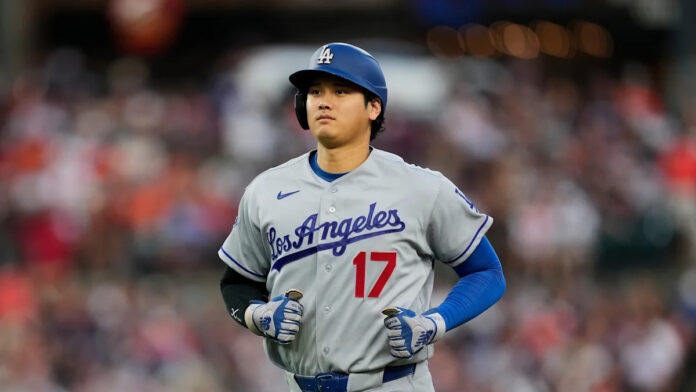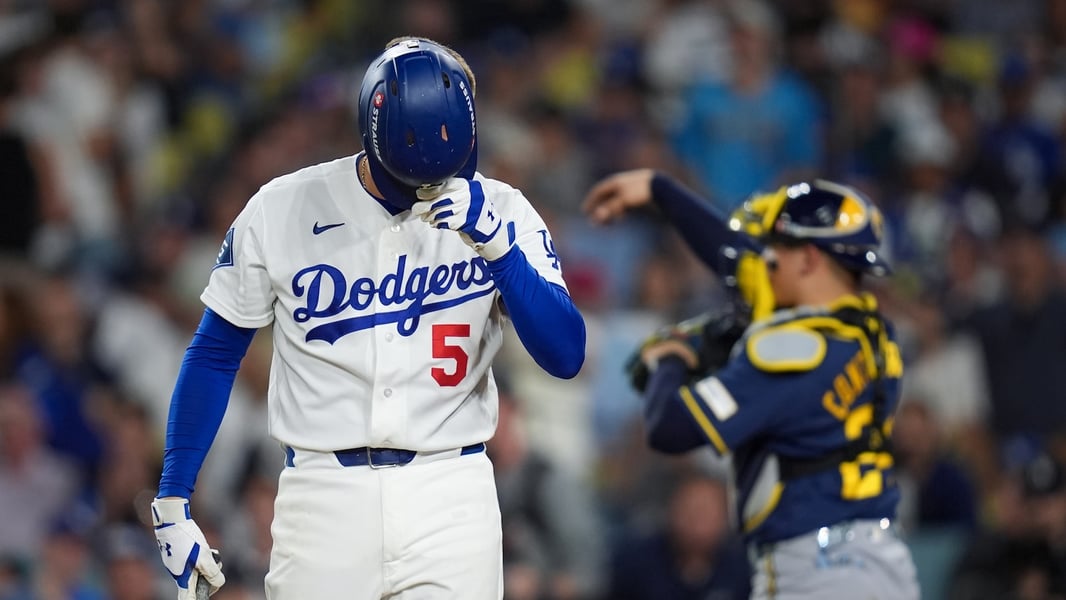

The Dodgers have an answer about what Shohei Ohtani wants to do next season, but not yet about what it will take to get him there. He intends to pitch again in 2027. Whether that return requires surgery on his knee or right arm remains unresolved.
Ohtani said through interpreter Will Ireton that he “definitely” plans to pitch next year, Brian Murphy reported for MLB.com. Asked about an offseason procedure, he said it was “hard to tell at this point” and would be analyzed and discussed during the winter.
The distinction matters for a club beginning its offseason earlier than it hoped. The Dodgers’ NLCS sweep by Milwaukee ended Thursday with a 6–4 defeat, leaving Ohtani in the on-deck circle when Los Angeles ran out of outs. His final game included a three-run home run, but no chance to contribute from the mound.
Katie Woo of The Athletic reported his uncertainty over possible knee or biceps surgery, alongside his plan to pitch next season. Neither statement supplies a surgical date, a rehabilitation schedule or a guarantee that he will be ready for the opening of the season.
Ohtani last pitched July 3. Left knee inflammation and right biceps inflammation limited the two-way star during the second half, and the biceps problem sent him to the 15-day injured list in September. By October, the Dodgers were using him only as a hitter.
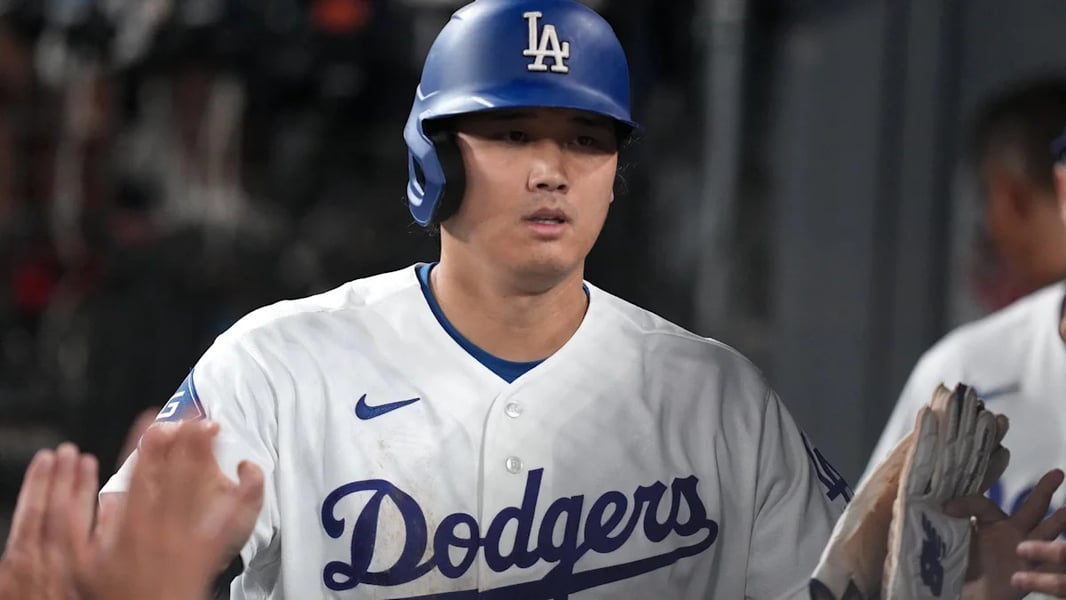
The season-long figures also conceal how abruptly his pitching changed. Murphy reported that Ohtani allowed five earned runs over his first 61 innings, then 12 over his final 24 2/3 innings across four starts. His knee began hurting June 11. The knee problem keeping Ohtani off the mound became a continuing limitation rather than a short interruption.
At the plate, his full-season production remained substantial: a .275 batting average, .377 on-base percentage, .512 slugging percentage and 30 home runs. AJ Eustace’s MLB Trade Rumors analysis put those numbers alongside the much weaker finish that followed his injuries.
From August 18 onward, Ohtani hit .160/.284/.253 in 88 plate appearances, Eustace reported. His postseason then produced five hits in 26 at-bats and 10 strikeouts. The three-run homer in the elimination game was his only extra-base hit across the Division Series and Championship Series.
The September injured-list stint therefore sits inside a longer story than a missed pitching assignment. The Dodgers lost his innings while also trying to get a compromised hitter through the most important stretch of the calendar. His final-game homer did not erase the preceding weeks.
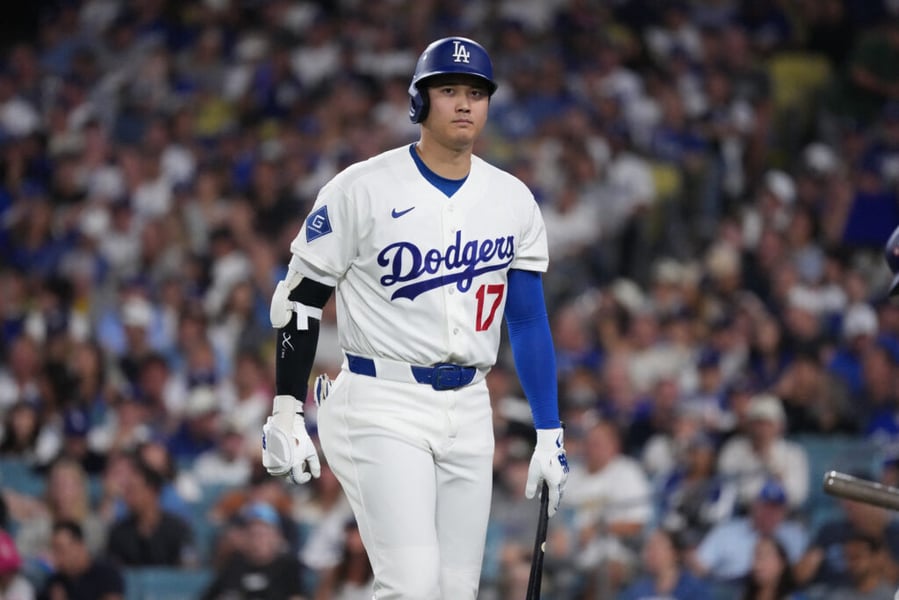
Ohtani said he would revisit treatment and his training program after a pitching season that left him dissatisfied. His expected September return against San Diego had addressed his availability in the lineup; it did not turn into a return to pitching before the season ended.
President of baseball operations Andrew Friedman acknowledged the difficulty before the postseason. As Eustace recounted from Woo’s reporting, Friedman said Ohtani’s unprecedented role takes “a real toll” and that the club and player were working through it together. That describes an ongoing workload problem, not an announced decision to stop him pitching.
The rotation gives Los Angeles a practical reason to pursue a healthy two-way return. Eustace reported that Tyler Glasnow and Blake Snell combined for only 116 2/3 regular-season innings, while Yoshinobu Yamamoto was the club’s only qualified starter. Strong performances in individual starts did not provide a full season of innings.
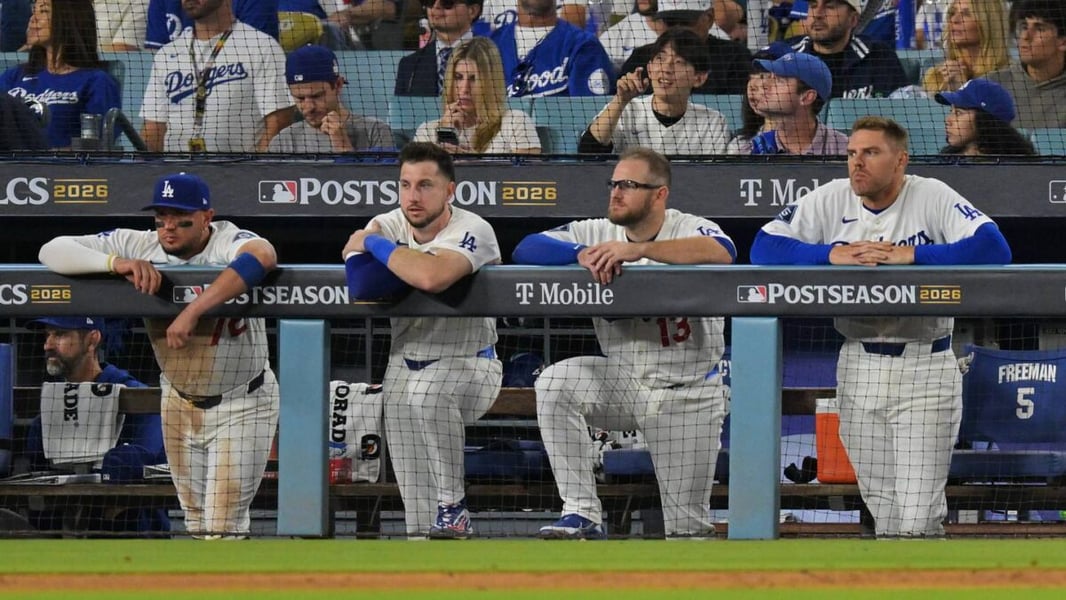
For now, Ohtani has committed to the role, not a return date. The Dodgers still need to determine which treatment path is appropriate and how his training should change. A desire to pitch again answers the question of intent; the unresolved medical decisions will shape what that intention can become.